Yeah, I know, it’s not original, Chris Rea did it in the 80’s, but it’s true, we are driving home for Christmas, and a wedding and a graduation too.
Australia is pretty big, it’s not until you try to drive across it as quickly as possible that you realise just how big it is. We left Esperance in WA five days ago to start heading back to the East Coast and we are still only as far as outback New South Wales. OK, so we haven’t exactly driven non stop, but today was a 700k day, yesterday 600ks, and the three previous days over 500ks each. That’s getting on for 3,000 and we aren’t there yet. In fact still another couple of days driving to go at least.
We have certainly covered a lot more k’s than that on the whole trip, in fact we are up to over 30,000ks now, but that has all been at a fairly steady pace with not many days over 500ks and rarely a week with 1,000. This week though is going to end up being over 4,000.
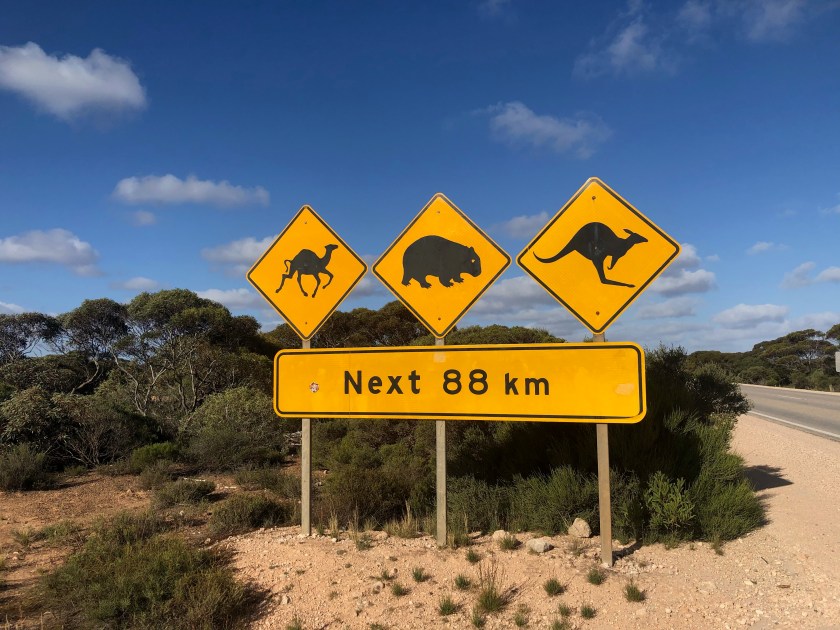
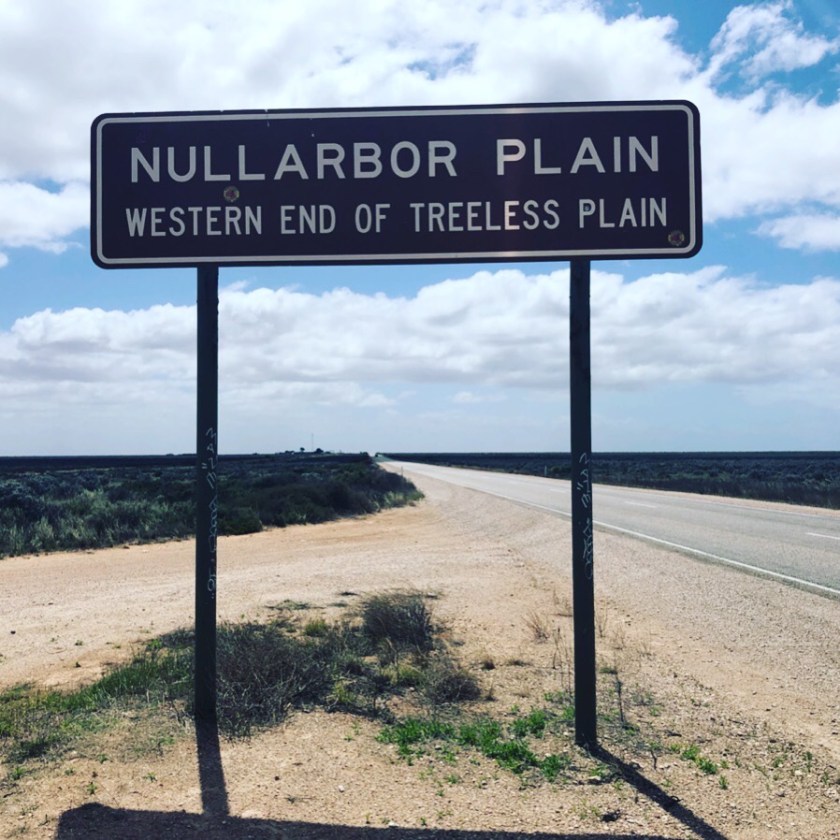
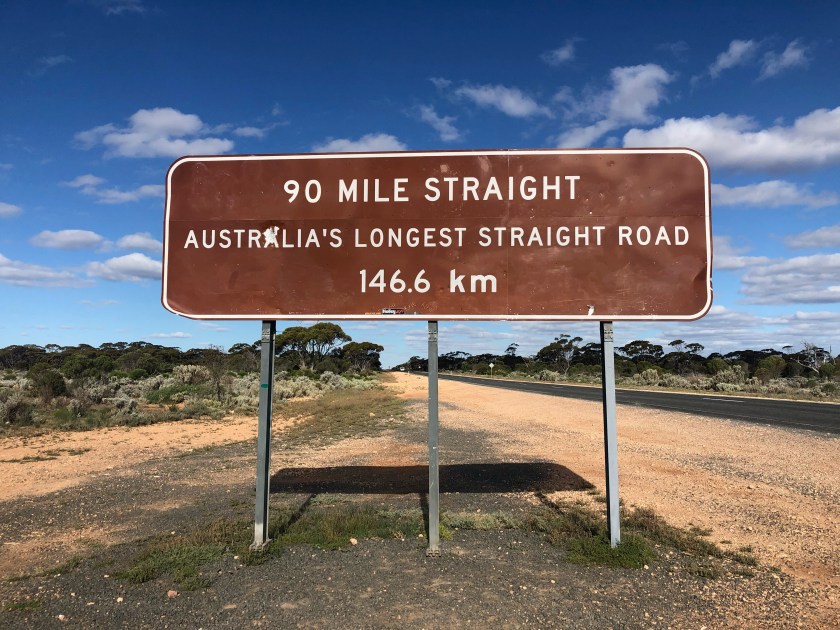
So, what else have I learnt since my last blog post? Well, the most boring highway in Australia is the Eyre Highway, all 1,670ks of it from Norseman to Port Augusta. There are a few tracks off to go and see cool views of cliffs and sand dunes along the Bight, but essentially, although crossing the Nullarbor is a bit of an iconic Australian adventure, it is pretty boring in reality. We did meet a man who was driving a Tesla (electric car) around Australia. That was pretty cool.
I have learnt a bit of history too, I love history, it’s nearly as cool as science. I think many people have this idea that Australia was ‘discovered’ by Captain Cook in 1770, and the the first European settlement occurred with the first fleet in 1788. Both of these facts are of course incorrect.
The ‘discovery’ and settlement of Australia occurred around 60,000 years ago and the original inhabitants had a far more advanced understanding of the land and how to mange and get the best out of it than we do today. As for European discovery and settlement, well this happened long before Cook was even born. By the early 1600’s the Dutch were sailing up the West coast on a regular basis on their way to Batavia (Jakarta). The first recorded European landing was by Dirk Hartog in 1616. In fact by the time Cook arrived on the east coast the whole west coast had been so accurately charted that these early maps were essentially still in use into the 20th century. Also interesting to note that the WA coast is littered with Dutch shipwrecks and many place names come from Dutch (and French) ships and explorers.
Two of the most interesting are the Batavia and the Zuytdorp.
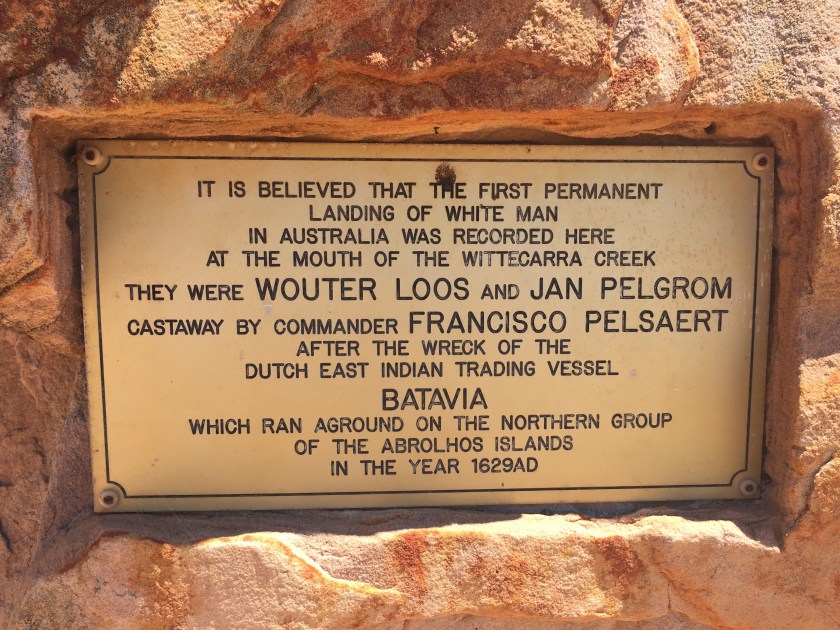
The Batavia was wrecked on the Abrolhos islands off the coast of Kalbarri in 1629 and apart from being a fascinating tale of mutiny, murder, slavery and survival it also provided Australia with its first two European residents who were marooned on the mainland rather than executed with their fellow mutineers because of their young age. That is over 150 years before the first fleet arrived.
Then in 1712 The Zuytdorp was wrecked on the mainland a little further north. Nothing was known of the fate of the Zuytdorp and its passengers and crew until the wreck and evidence of the survivors was found in 20th century. The cliffs where the ship was wrecked now bear its name. At the top of the cliffs and further inland artefacts from the Zuytdorp have been discovered and the evidence would suggest that the survivors were taken in by the local aboriginal inhabitants, making them the second wave of European settlers. As further evidence of this settlement later European explorers in this area noted with surprise that some of the local aboriginal people had blue eyes, and more recent DNA testing shows evidence of Dutch and German decent in the indigenous population.

Ok, enough of the history lesson, this is supposed to be a travel blog after all.
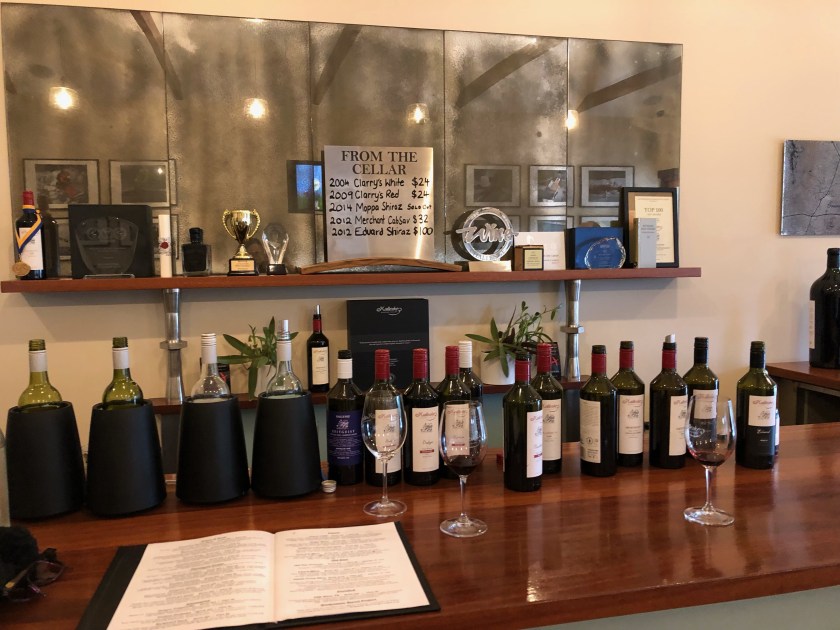
After extensive research in the Margaret River region of WA I have learnt that their Shiraz is not as good as that from the Barossa but that their Cabernet Sauvignon is better. This was after a number of days of sampling across numerous wineries. We took to our bikes for one of these days of sampling and I can thoroughly recommend this as a very enjoyable day out when in Margaret River.
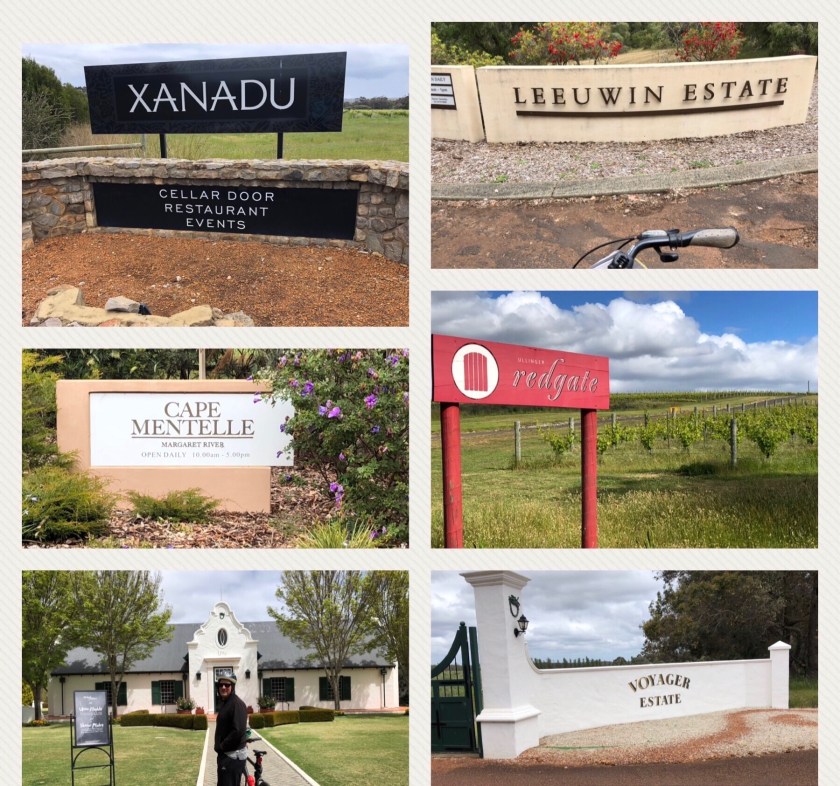
The South West corner of WA does also have plenty more on other than just wine tasting. It is in fact stunningly beautiful with amazing beaches and national parks, but, for a Queenslander it could perhaps do with being a few degrees warmer before I would consider venturing into the water.
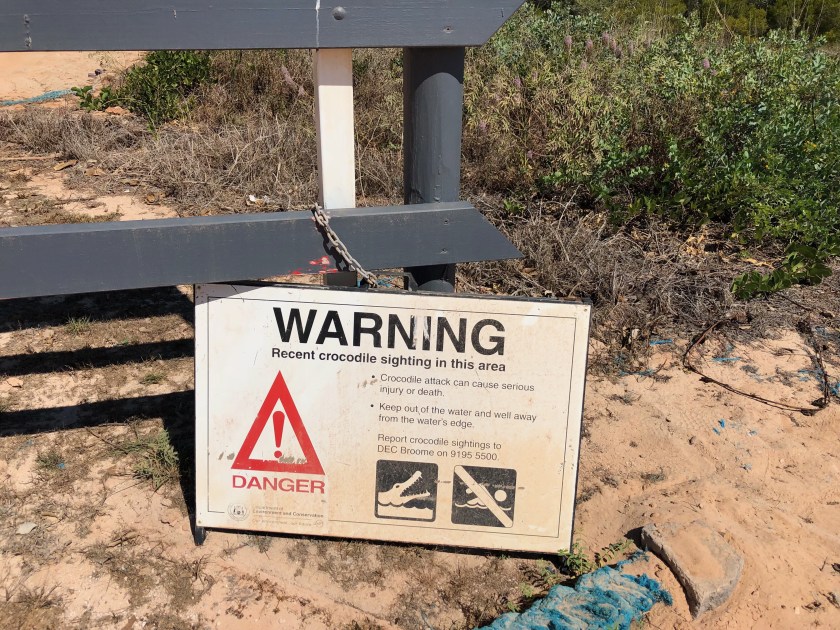
I can also confirm that WA is the most safety conscious state in Australia. There are warning signs for just about everything!

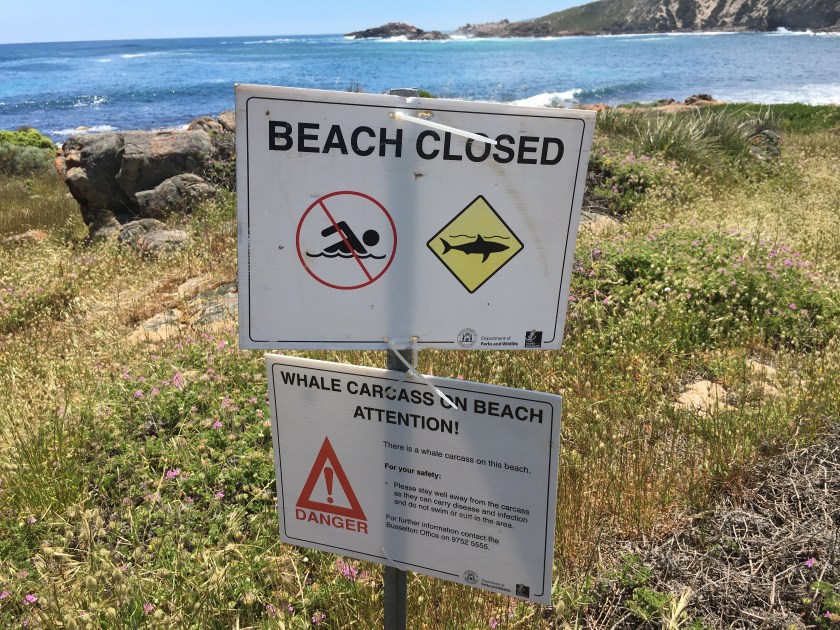
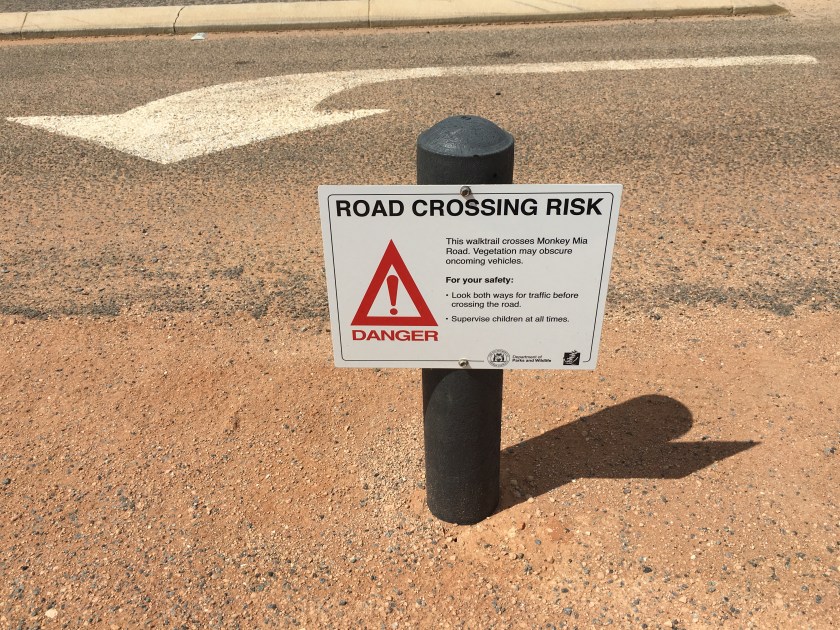
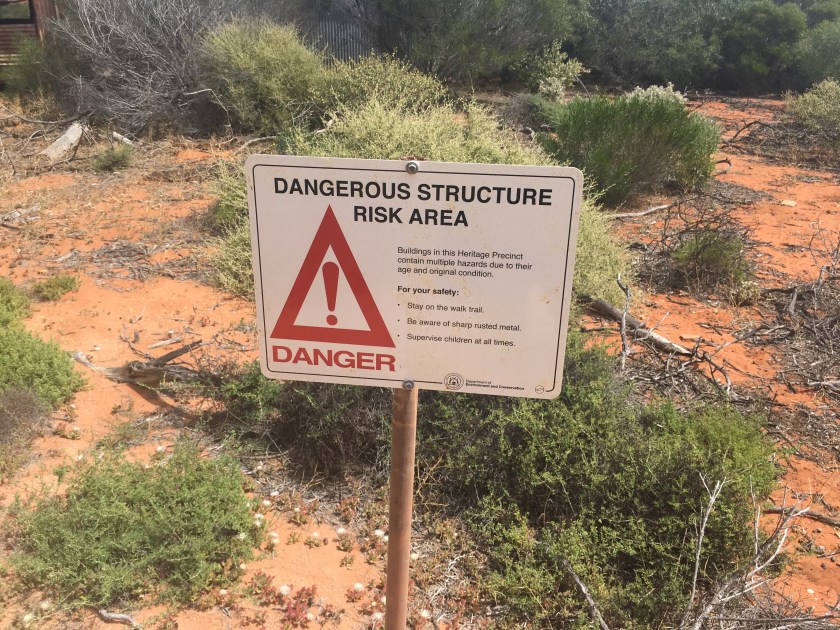
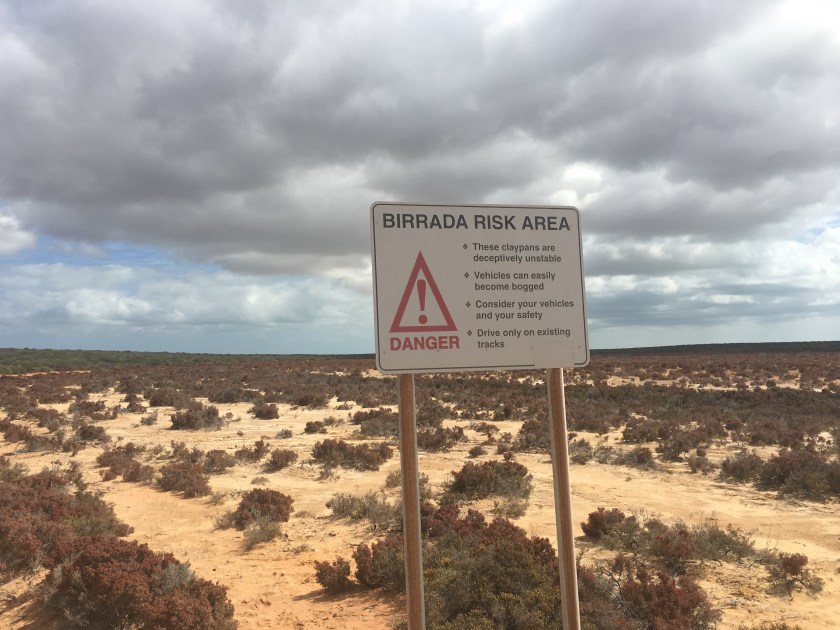
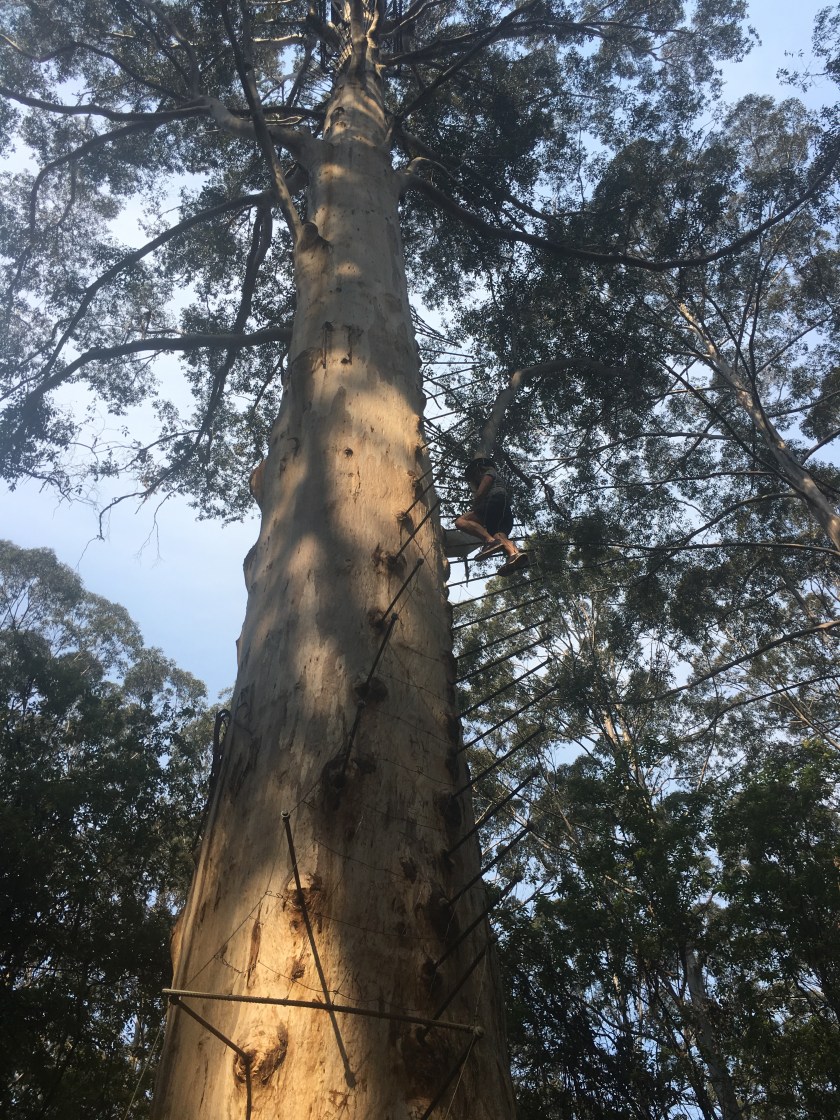
But despite this you can still climb a 160 metre high tree in Pemberton that has no real safety barriers or fall protection other that a little bit of chicken wire that probably wouldn’t even stop a chicken.
And finally, we are nearing the end of the Australian leg of our adventure, and in the 7 months that we have been on the road I have never felt concerned for my safety (apart from when wine tasting on a pushbike) or concerned about theft…….until Fremantle that is. 100 campsites with the van left unlocked and possessions left outside, and nothing went missing. One week in Fremantle with the van locked up outside our friends house and it gets broken into and the tv nicked! And on the same day the pump nicked off my push bike! Dodgy place Freo. Apart from that, it is actually a really lovely place and it was really great to catch up with and spend some time with old school mates Alex and Pat and their lovely wives, Justine and Margaret.
Phillipines here we come.


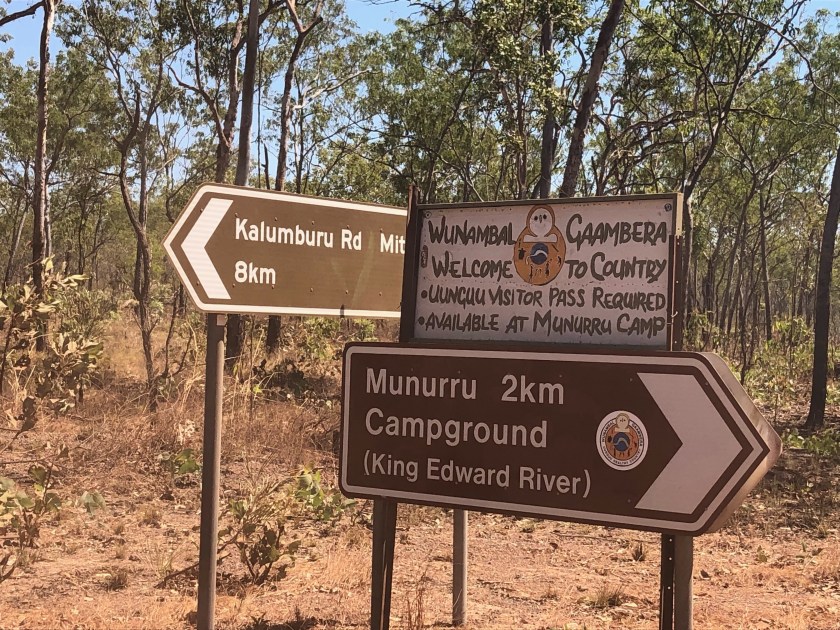
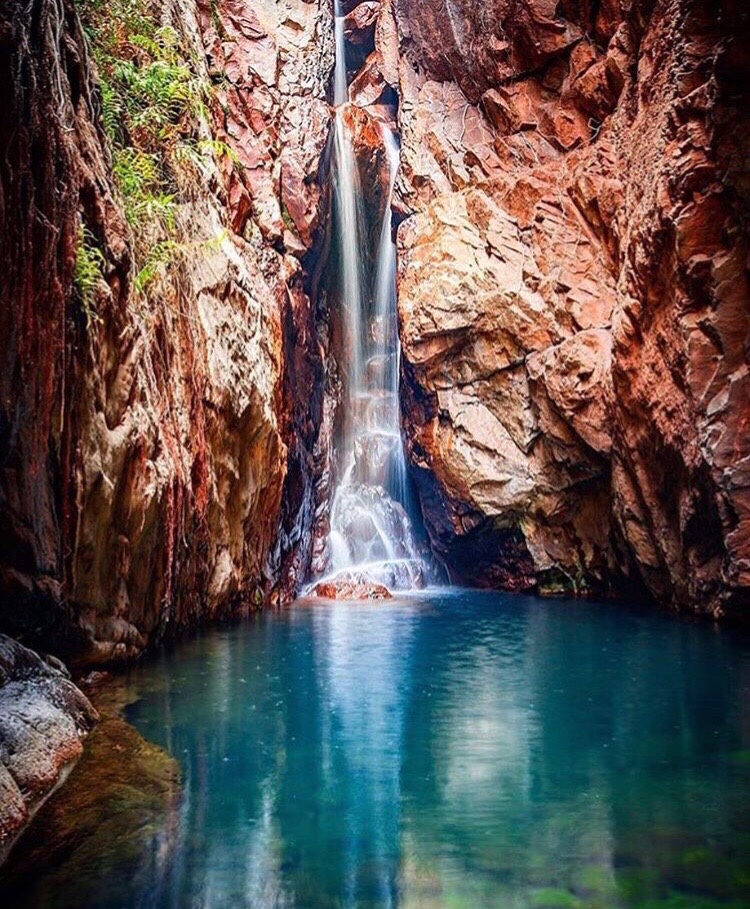
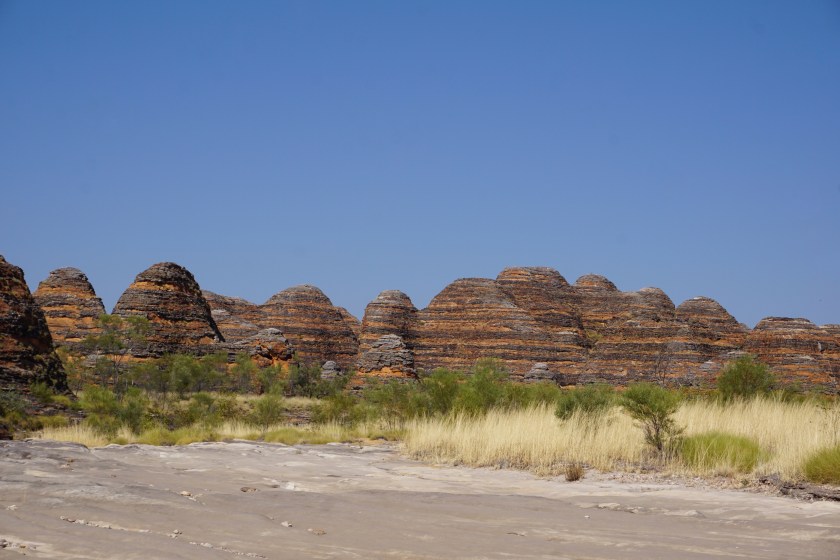
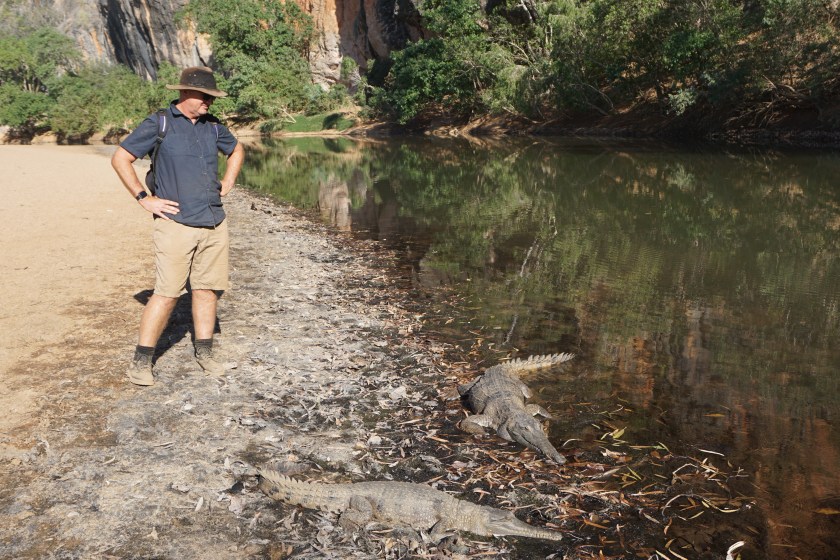
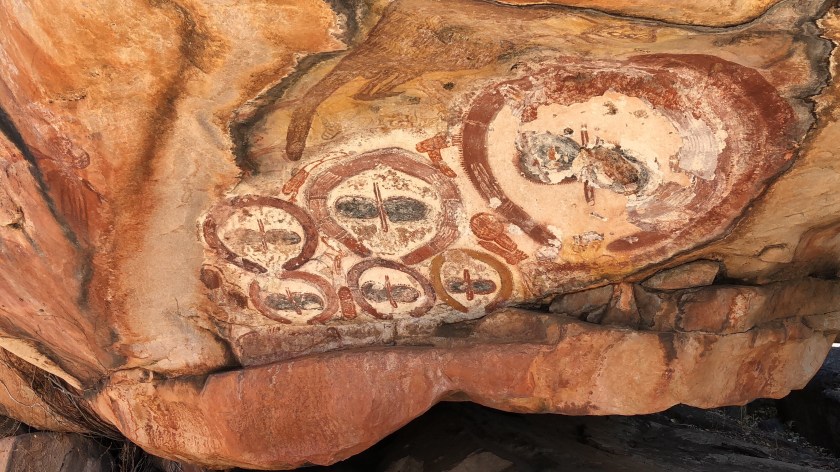
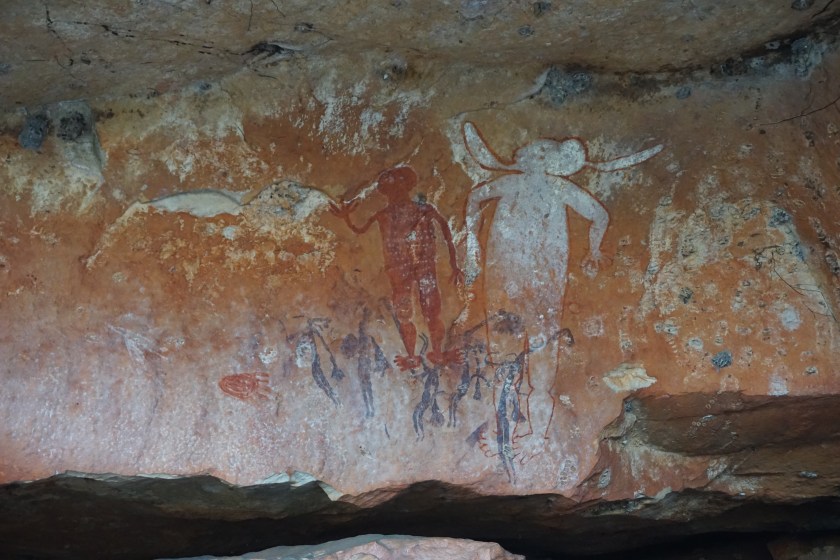 One of the most interesting paintings that seems to appear all over the Kimberly is the Wandjina. These spirit beings started appearing around 4,000 years ago and were apparently repainted over the top of the original every decade or so. The Wandjina are painted with a round white face, big round eyes, what appears to be a halo or helmet of some kind and a nose but no mouth. The story that goes with them is that they came down from the sky and shaped the land and the rivers and looked after the people. Apparently they realised this was a pretty big job so they sent for reinforcements and more of them arrived later. When they left, some went back into the sky and some went into the earth and live at the source of natural springs.
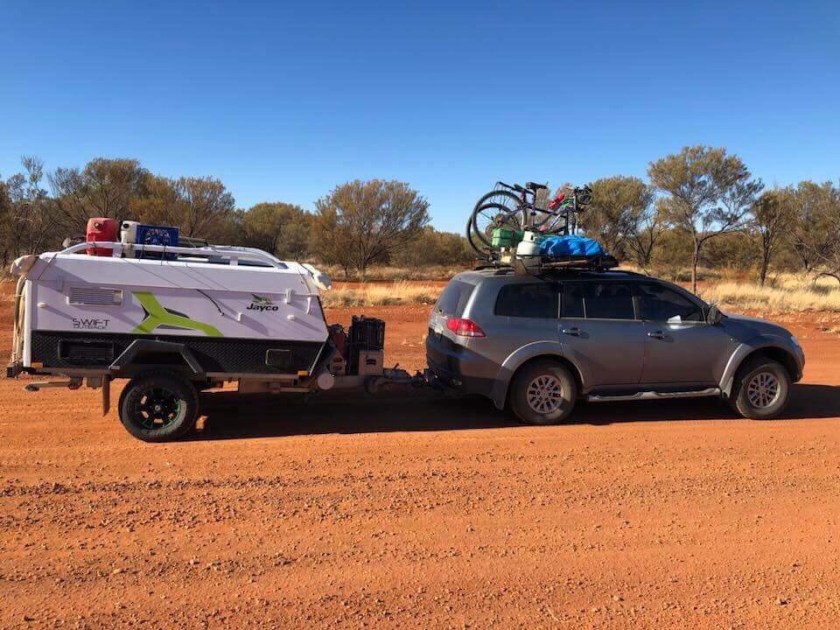
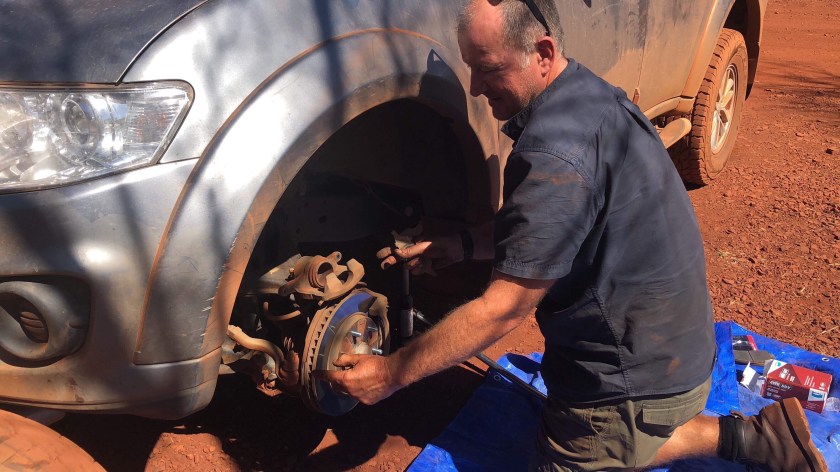
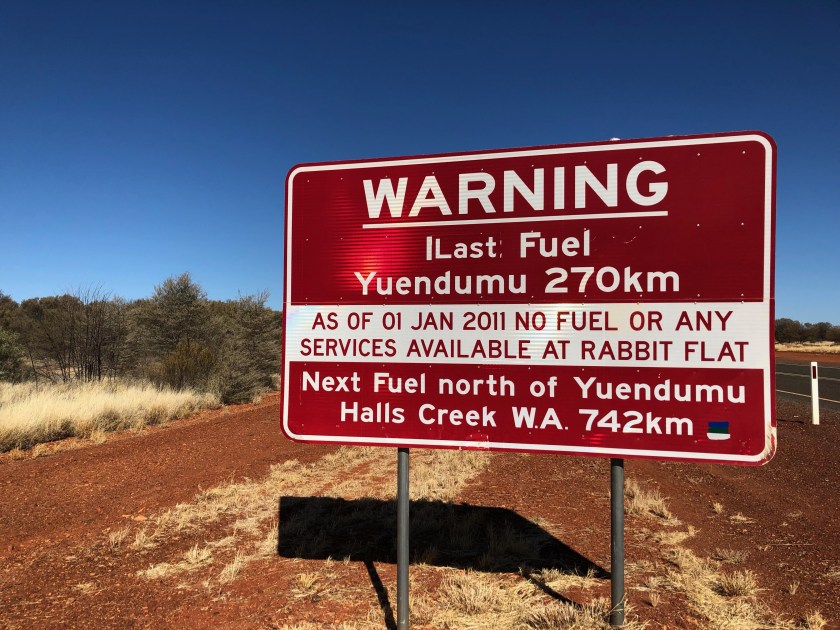
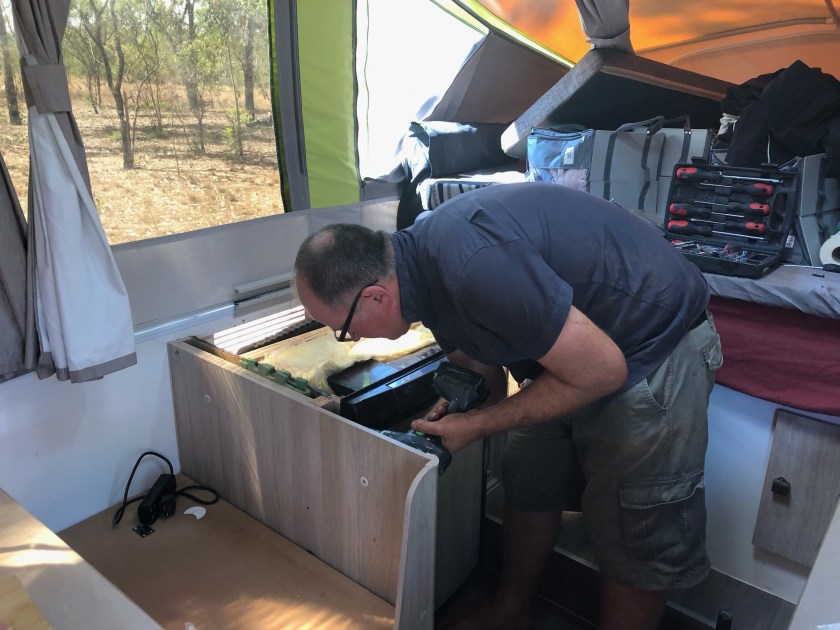
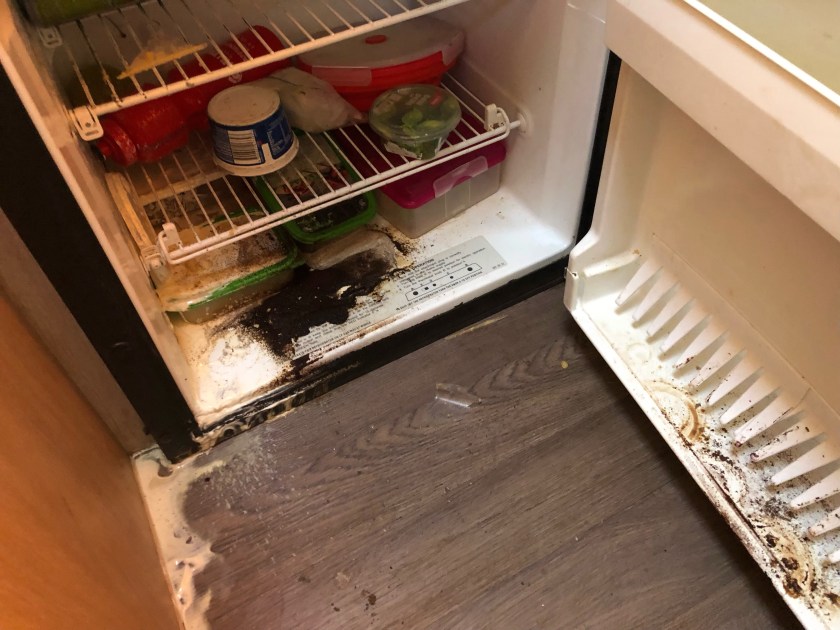
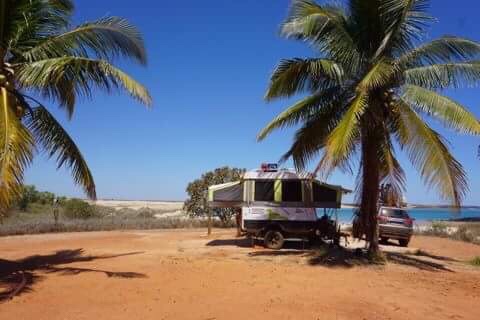
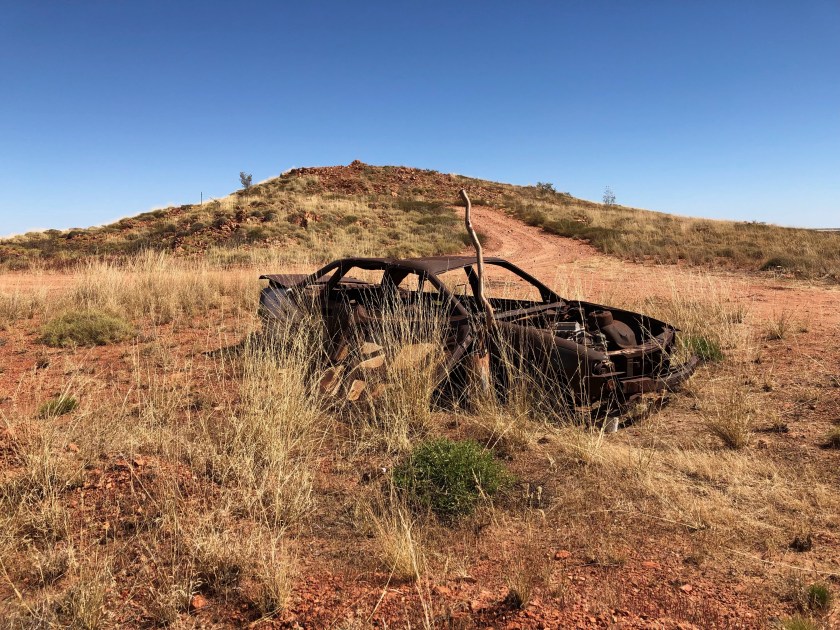
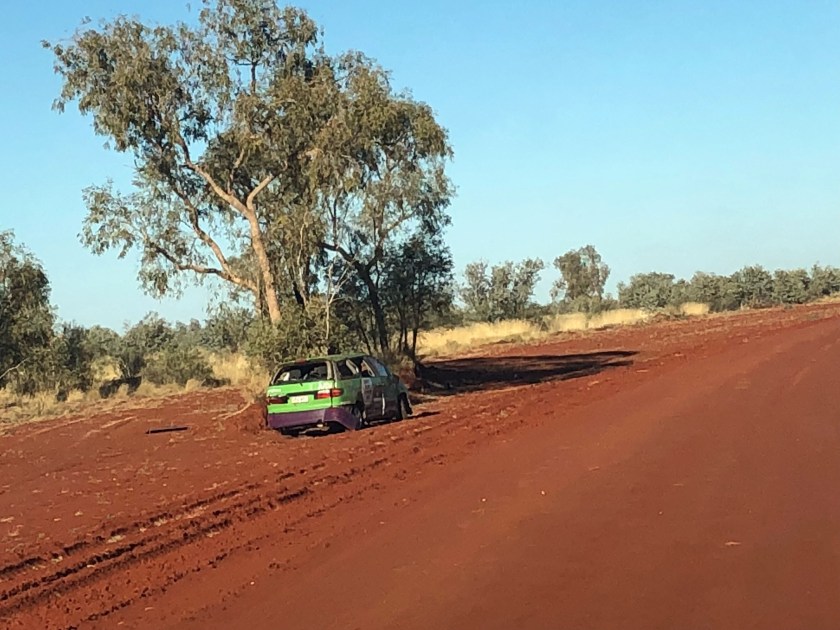
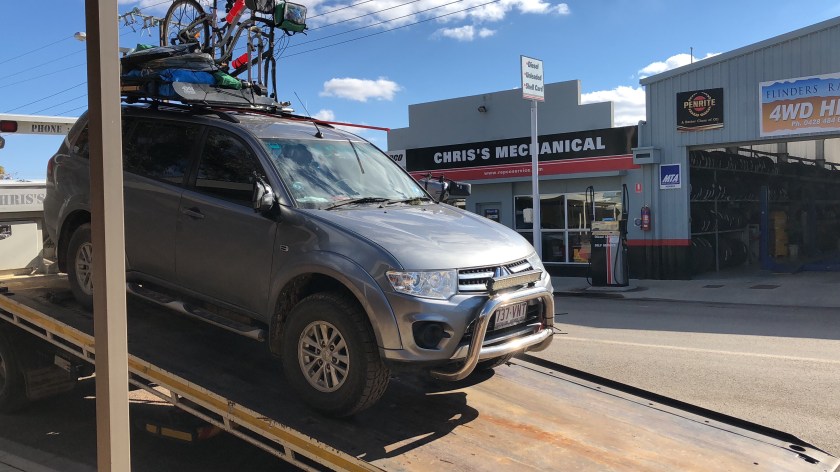
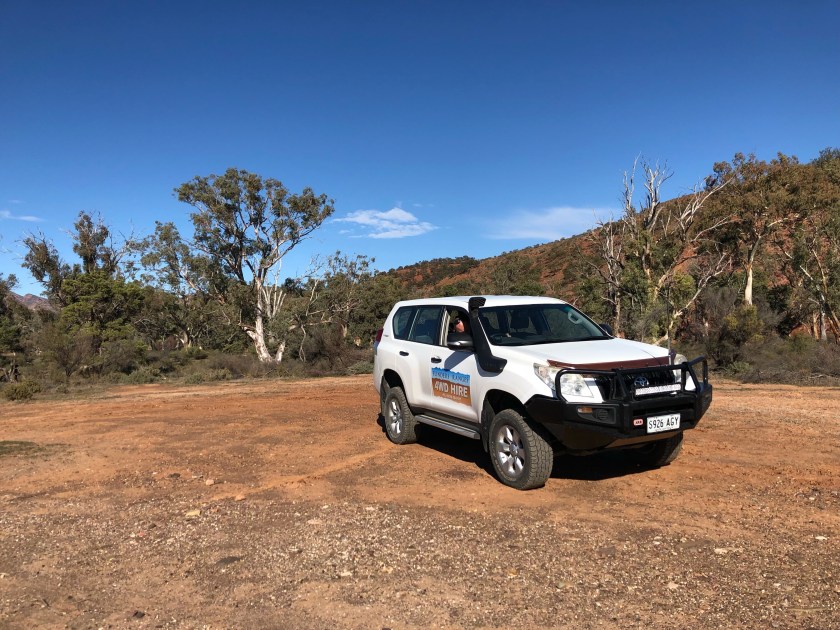
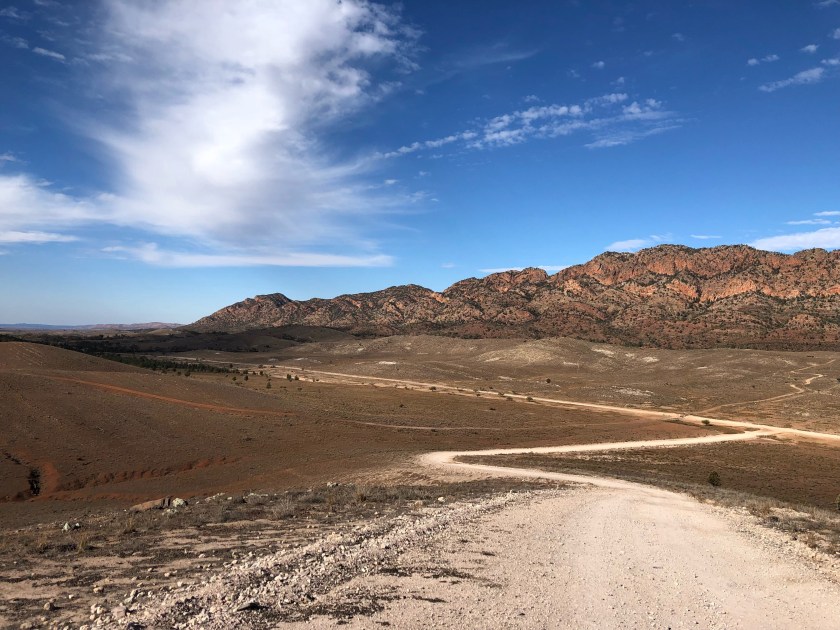
 I have to say though, that the roads (if you can call them roads) in this part of the world are pretty poor to say the least. I guess that is part of the appeal though and it is part of what keeps this region remote as without a four wheel drive you really are not going to get very far. But, I am a bit over dust and corrugations now. The Kimberly roads have given us three punctures, a cracked windscreen, one cabinet rebuild in Lucy (our little camper) numerous loose screws, nuts and bolts and five fridge explosions. Not the actual fridge exploding but the contents making a bit for freedom and ending up all over the floor. We have had scrambled eggs, yoghurt, salad dressing and sun dried tomatoes in oil decorating the inside of the van.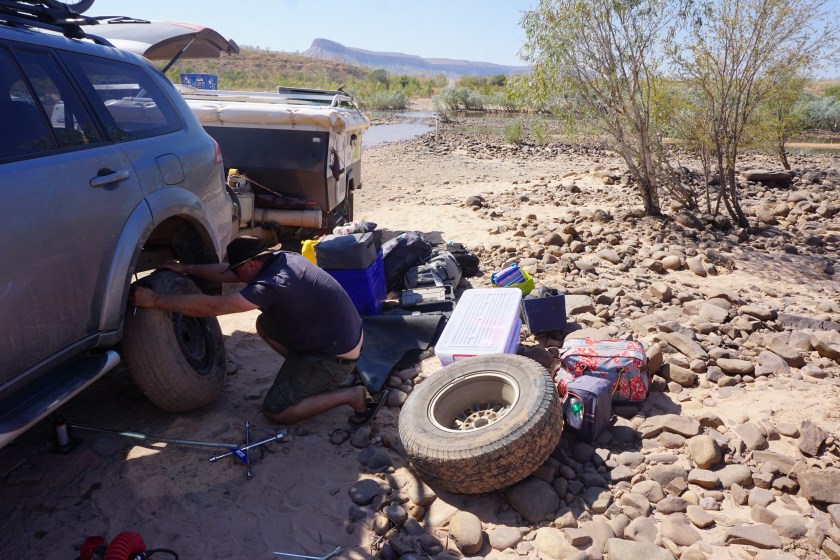
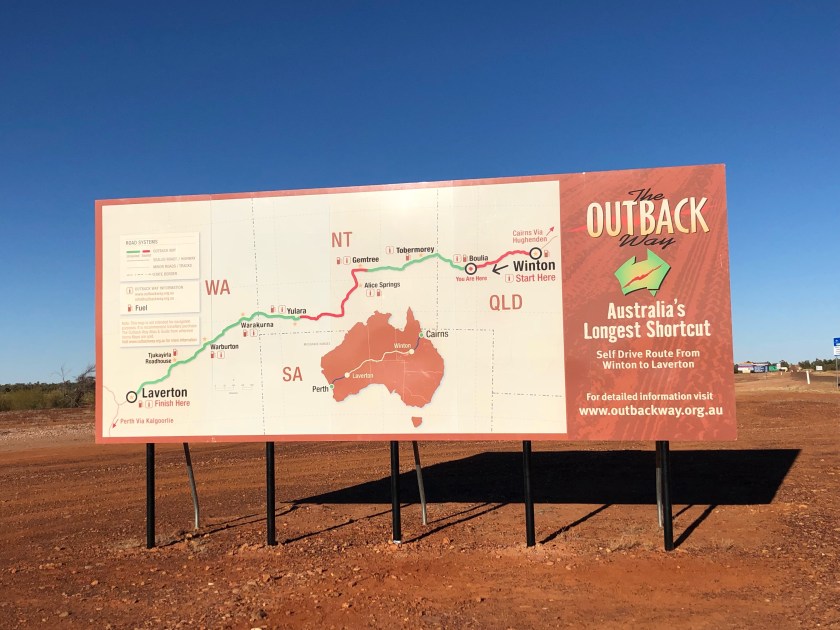
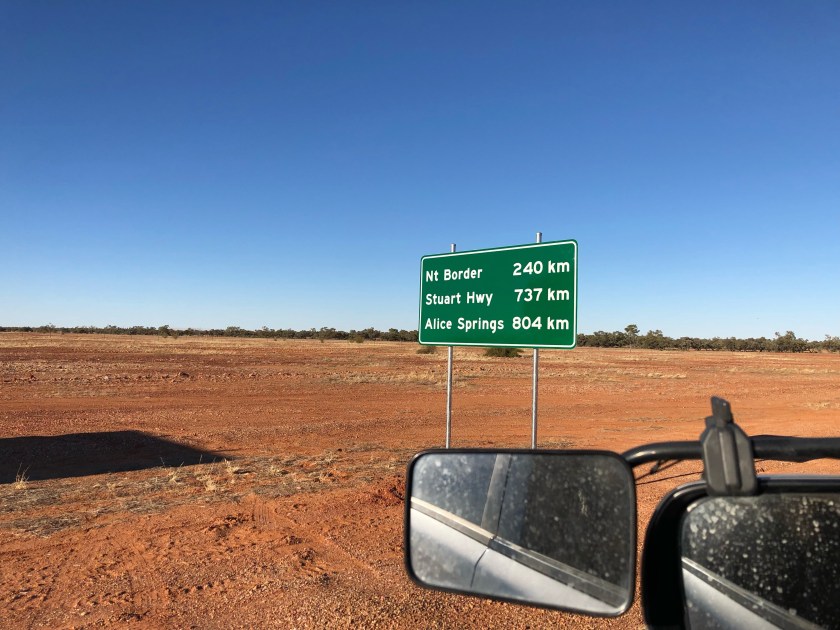

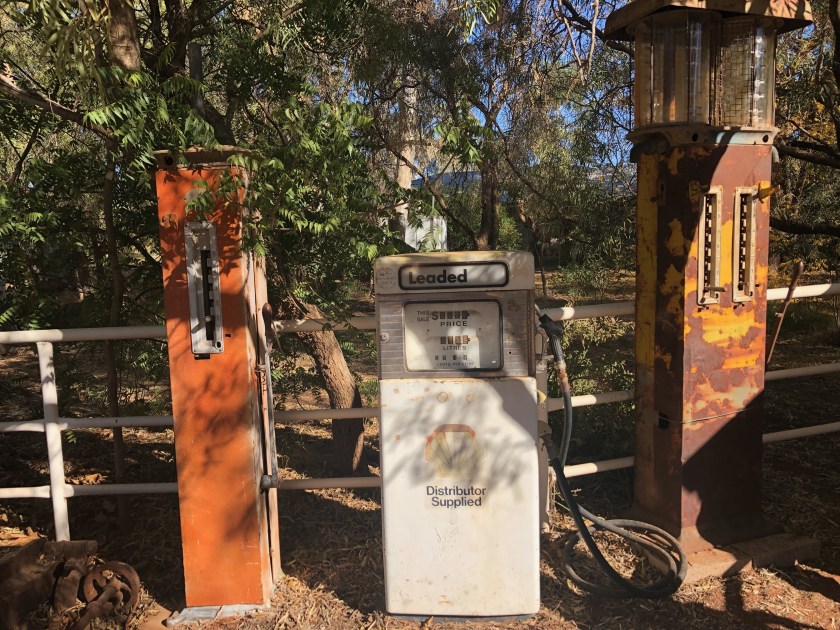

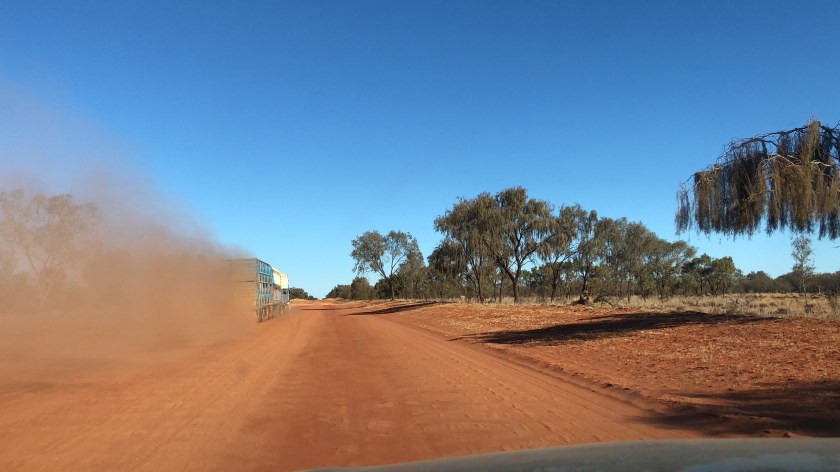
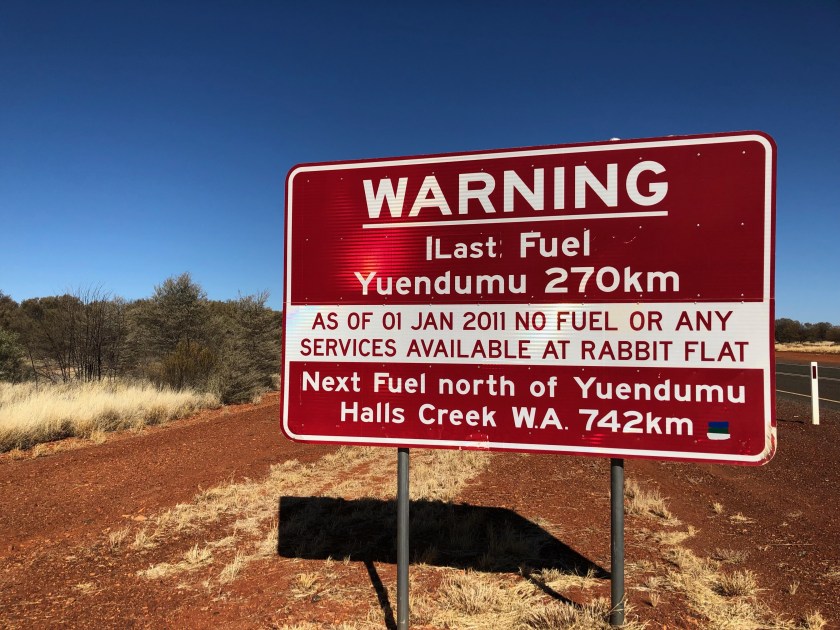
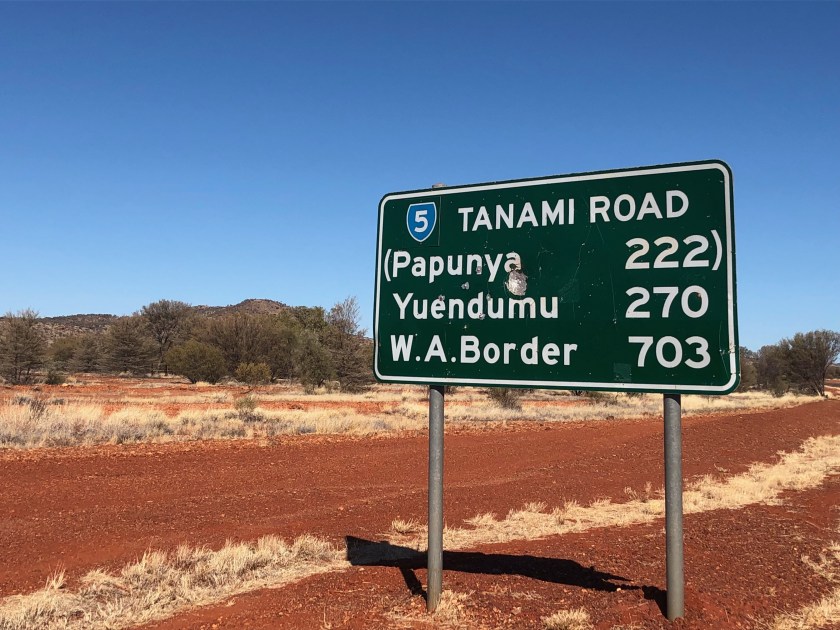
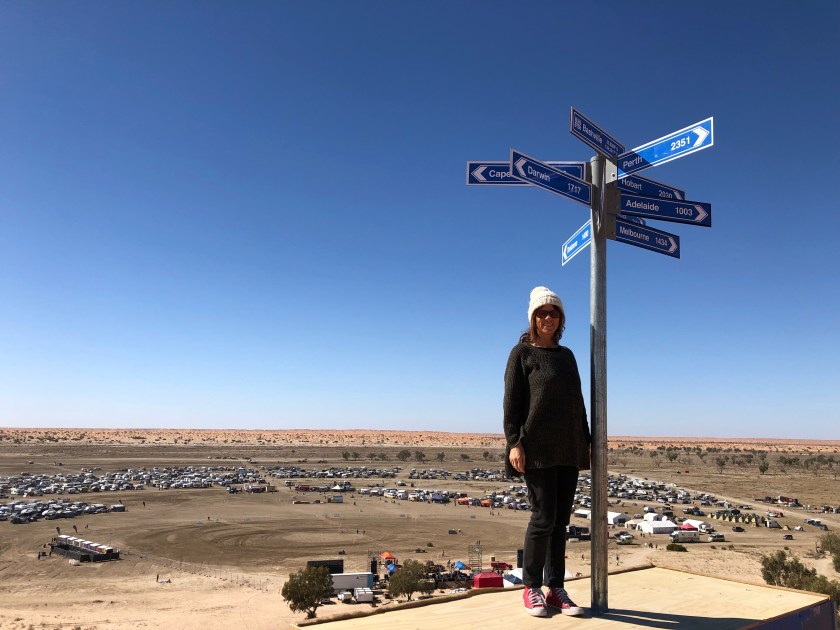 Coming from the west, the only option is to cross the Simpson Desert. No road as such, just a four wheel drive track that crosses over 1,000 sand dunes in just over 500ks. If you are heading west and want to get to Perth, keep going for another 2,000ks at the last sand dune.
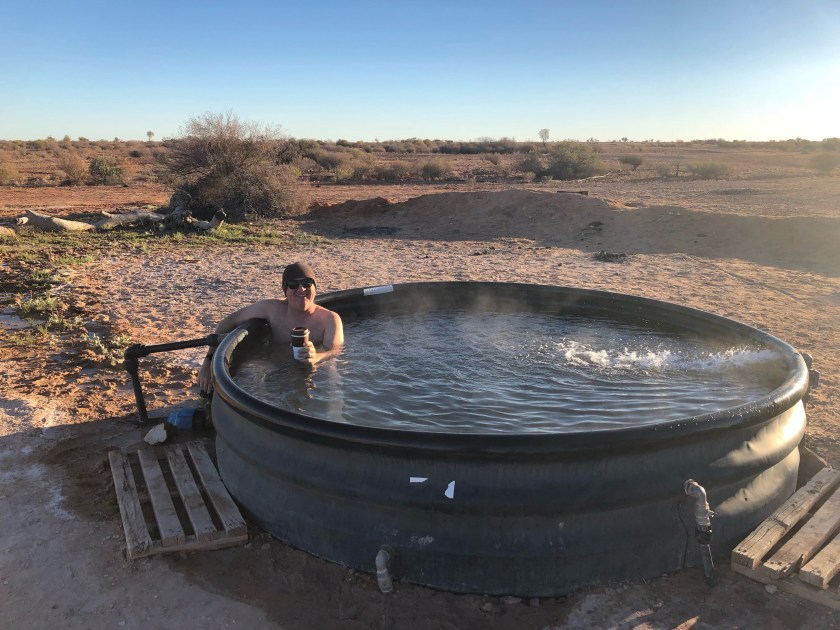
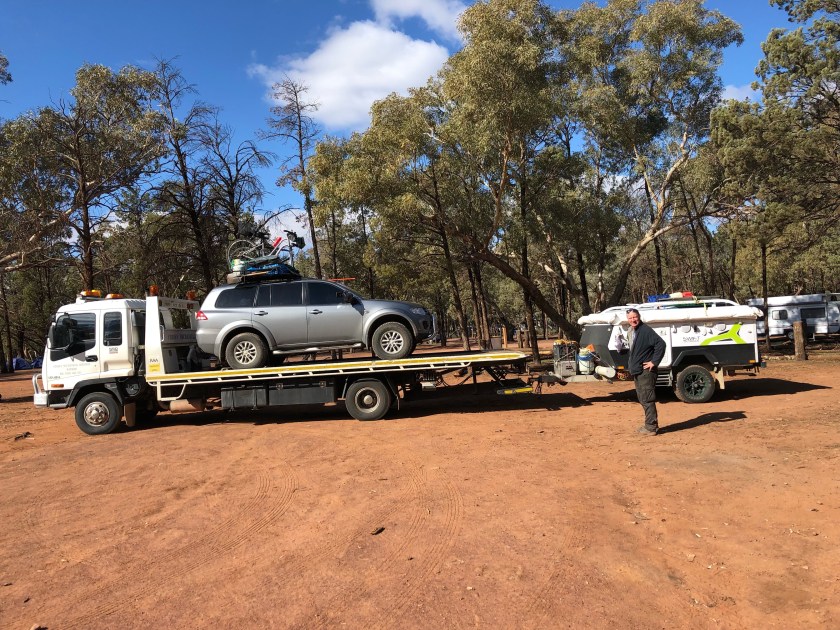
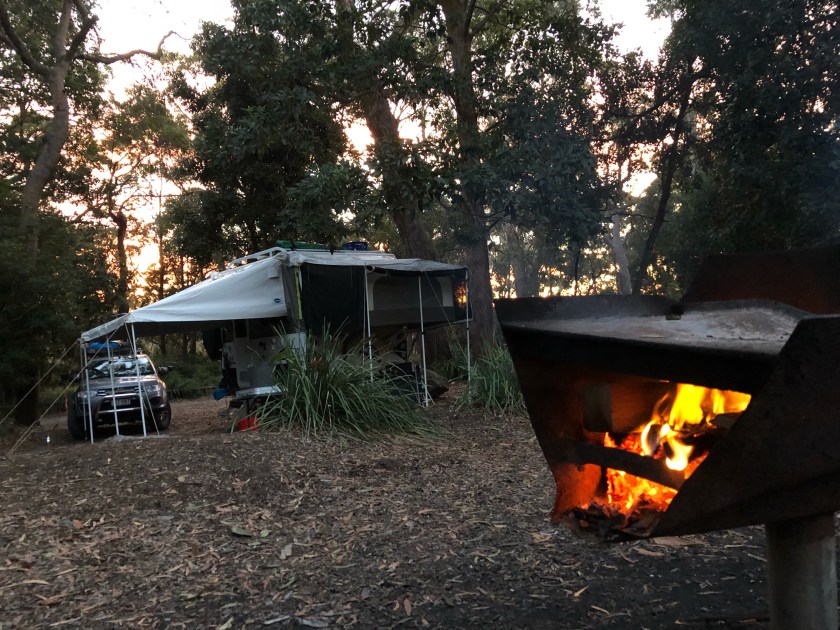
 The Birdsville track isn’t quite the challenge that it used to be, but it does still do its best to destroy windscreens, tyres and caravans whenever possible. Fifty years or so ago it still took almost a couple of weeks to drive from Marree to Birdsville but these days you can drive it in a day or two. We weren’t in a rush so we did it with a couple of overnight camps along the way, and the only damage sustained was a stone smashing a pipe coming out of the water tank under the van. Didn’t notice it until we set up camp and found we had no water! Nothing a bit of glue and tape couldn’t fix though and fortunately we camped at a place that had water to refill the tank with. In fact one of our stops was by a bore where water from the Great Artesian Basin comes out hot enough for a nice relaxing spa in the thoughtfully provided plastic pool, and afterwards for a hot shower in the equally thoughtfully provided tin shed.
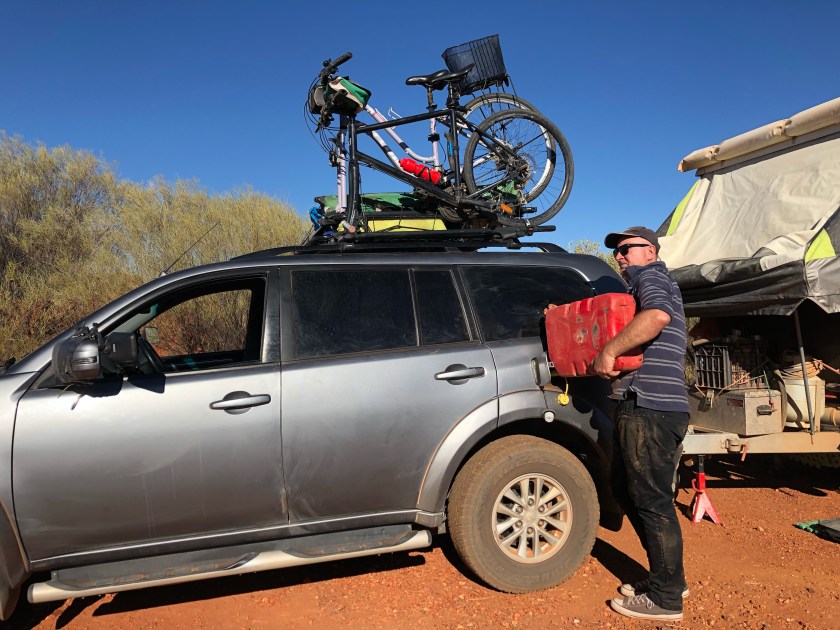
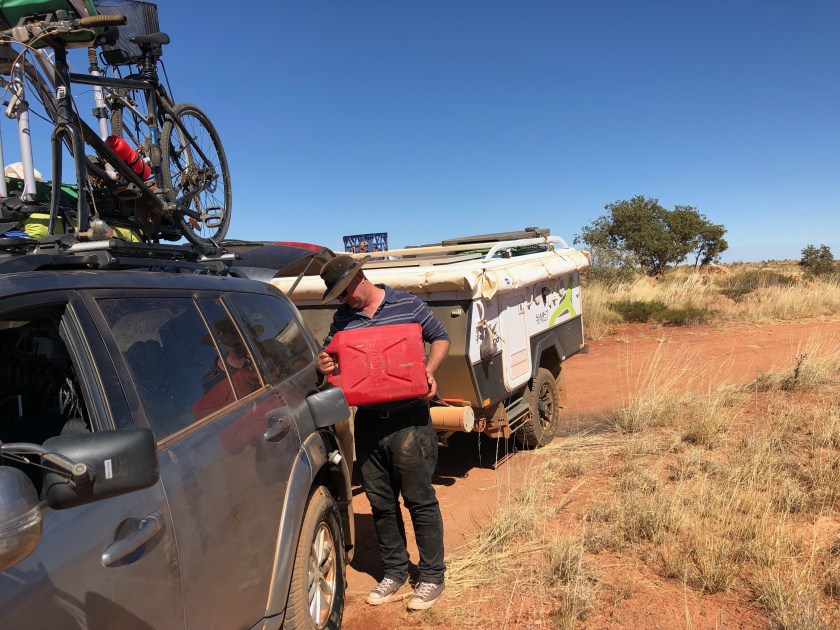
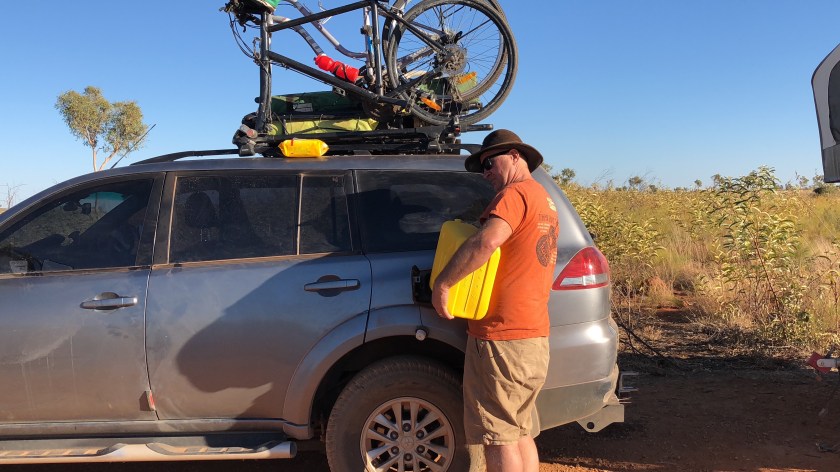
 As mentioned previously, Birdsville sits in the South West corner of Queensland, very close to where Queensland, South Australia and the Northern Territory all meet at Poeppel corner. Now visiting Poeppel corner has been on my bucket list for a while now after getting to know a bit more about it on my previous Birdsville visits. Only problem is it lies 170ks west of Birdsville which, if you have been paying attention, will realise is somewhere in the middle of the desert. In fact, 150 sand dunes in to be precise. So this time we came prepared for a trip into the desert before the Bash started. Even with a two way radio, Emergency locator beacon, plenty of spare water, food and fuel though, there is still a slight concern that things could go wrong. Even the best RACQ cover isn’t going to help out there and vehicle recovery is very expensive. Clutch failure would be extremely awkward.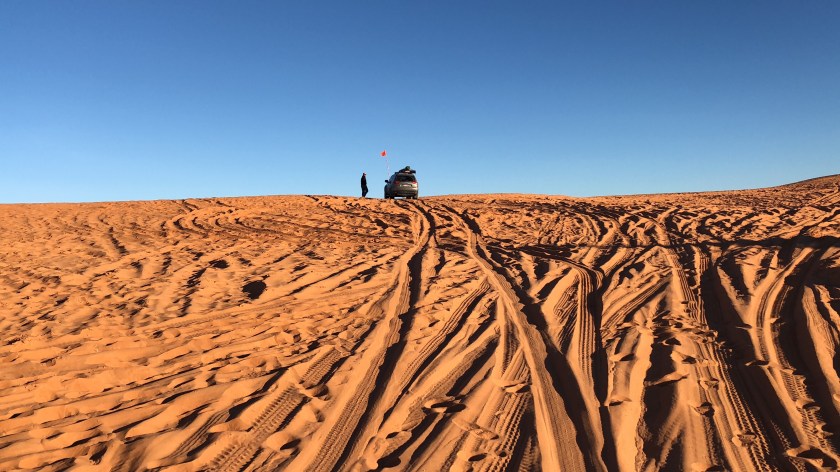
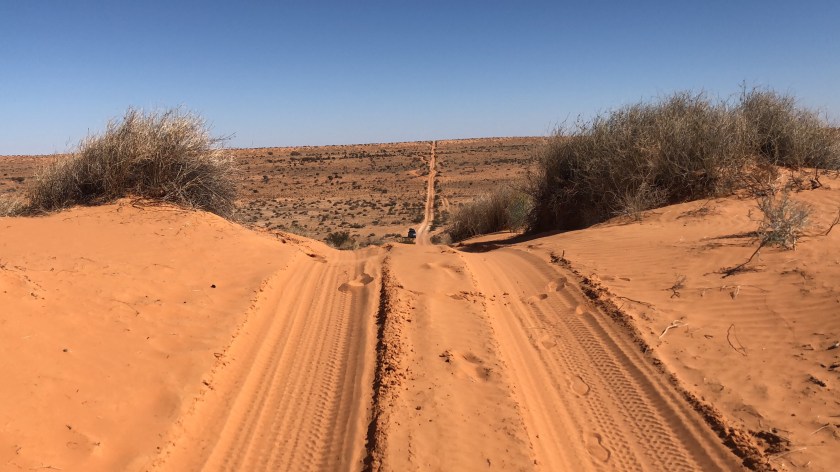
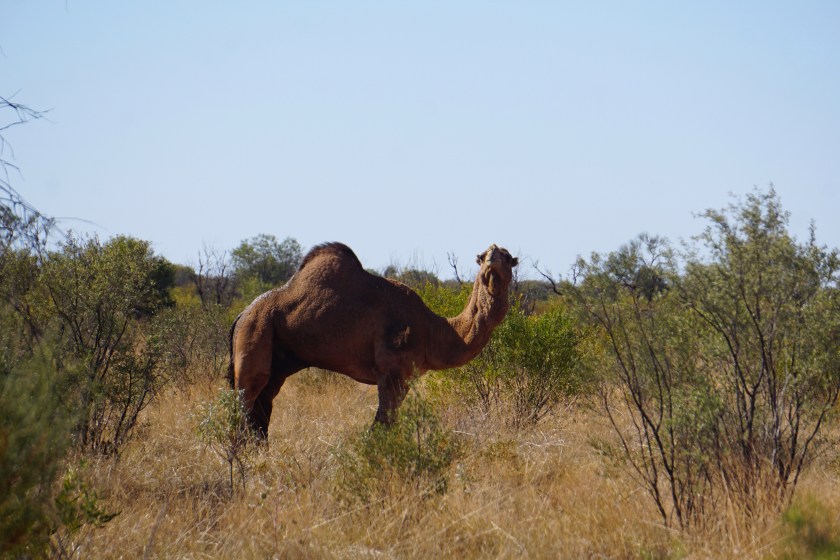
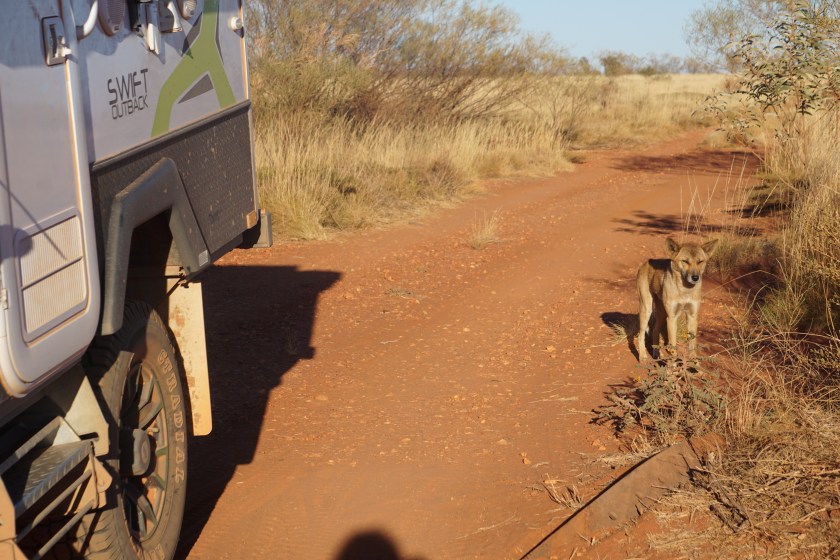
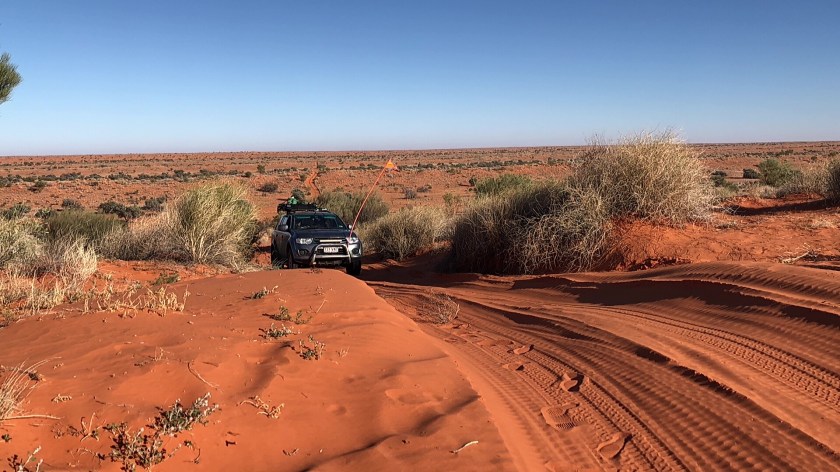 What can I tell you about the desert itself, other than if you ever get the chance you really night to spend a night out there to get it. It is awesome. The sky, the sunset, the stars and the sense of isolation is just ‘wow’. We didn’t actually see any dingos or camels out there but we did see plenty of evidence of them in terms of foot prints. Probably glad not to see any dingos once we were camped but I would have loved to have seen a camel or two.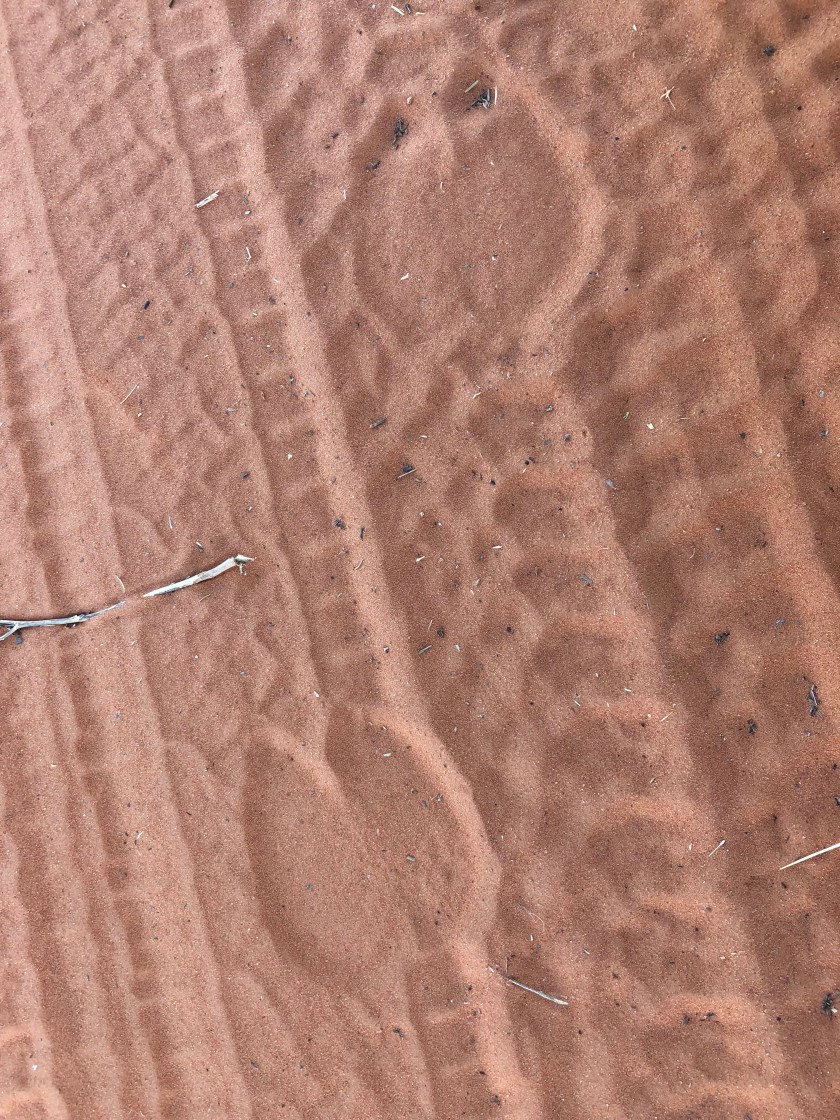

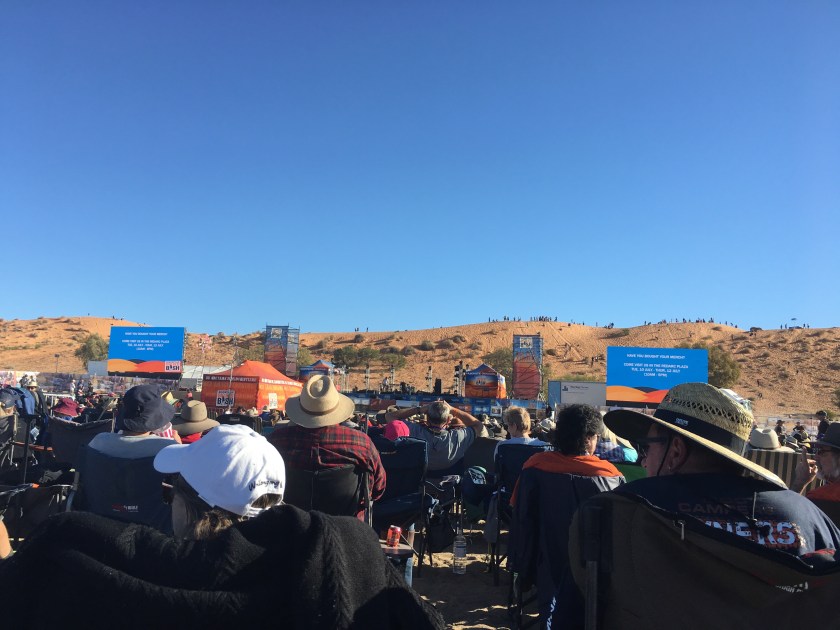
 Today is last day of the festival and I need to get myself together to get over and see the Black Sorrows shortly. Rather fitting after getting up at 3.30am to watch England getting eliminated from the World Cup. Tomorrow, us and a few thousand other fellow festival goers will be heading up to Bedourie for the camel races. After that we should once again escape the crowds until we reach Alice Springs.

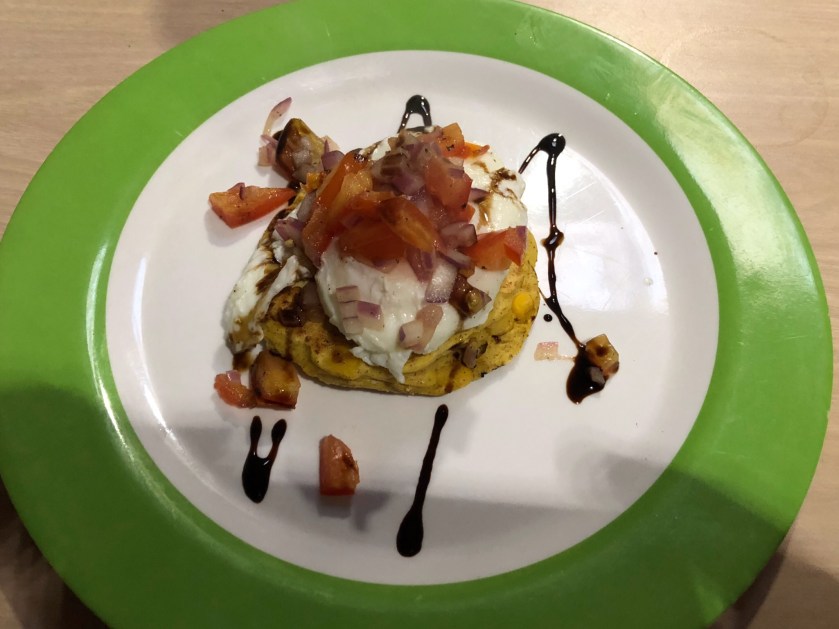
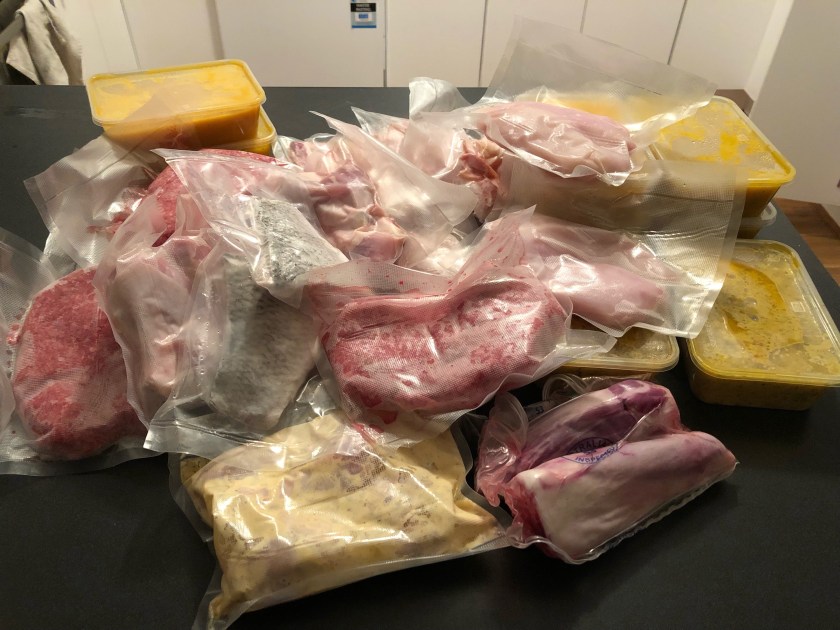


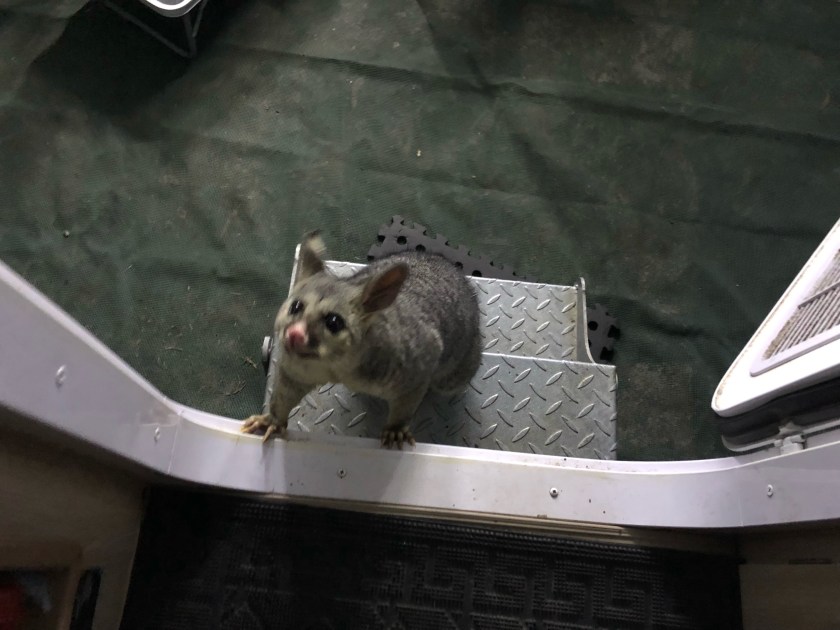
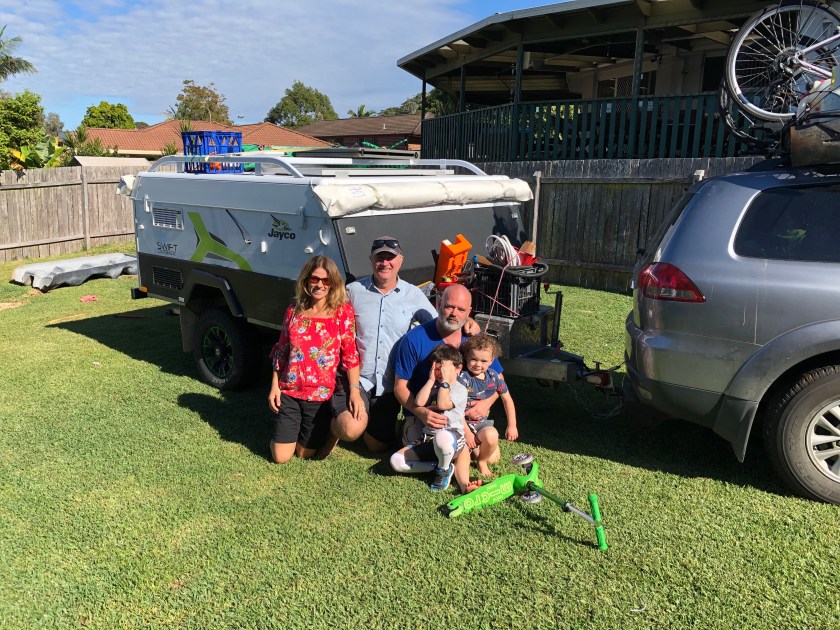
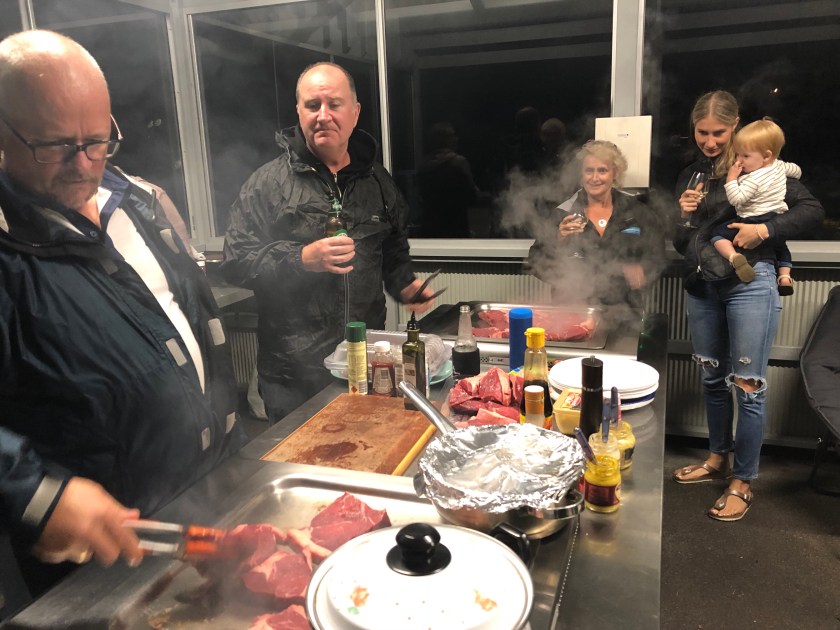
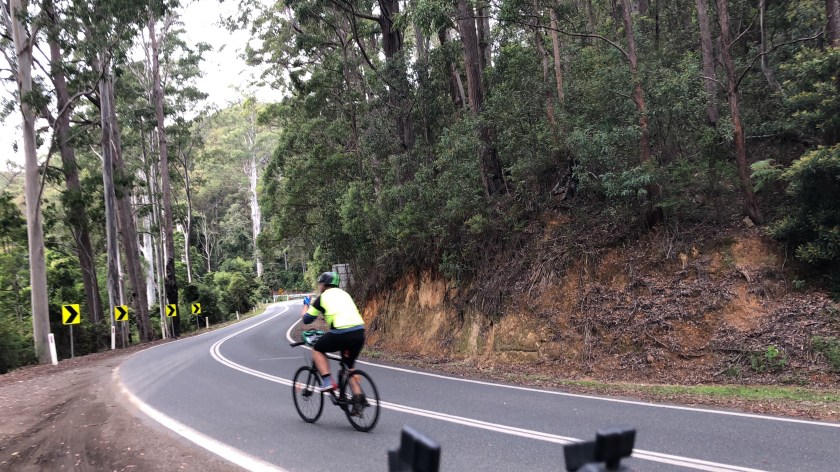
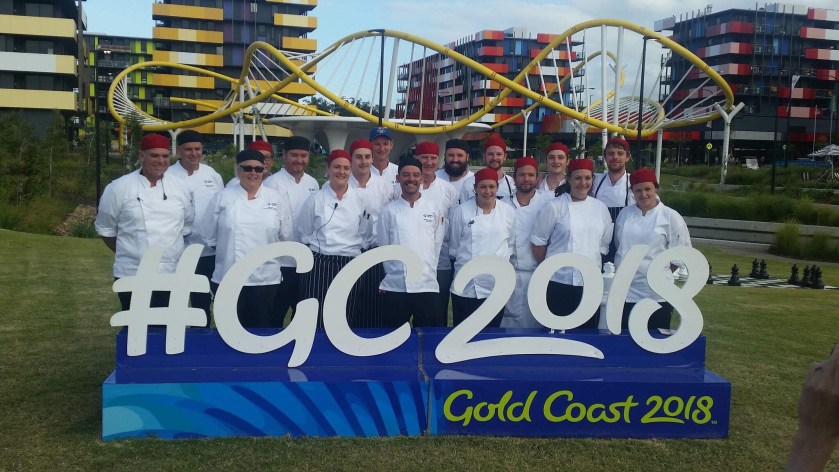
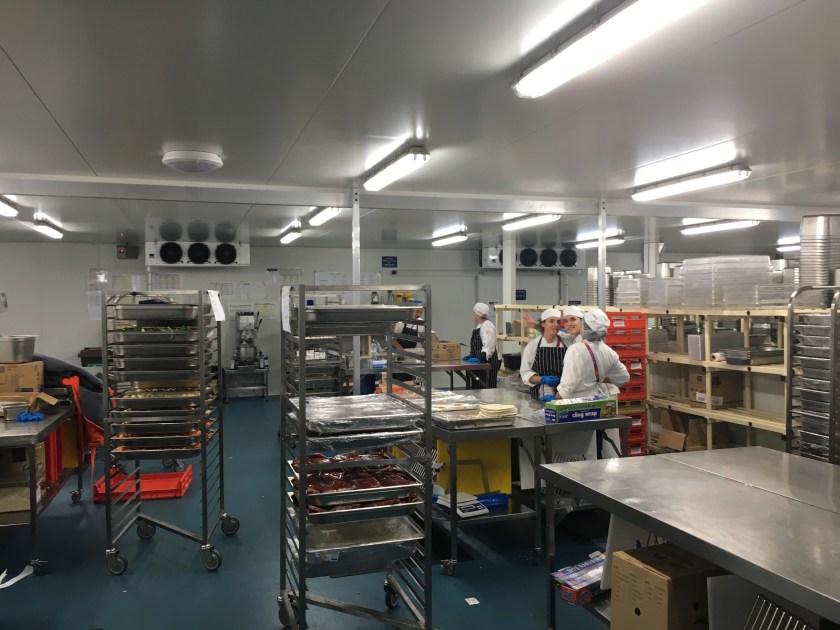
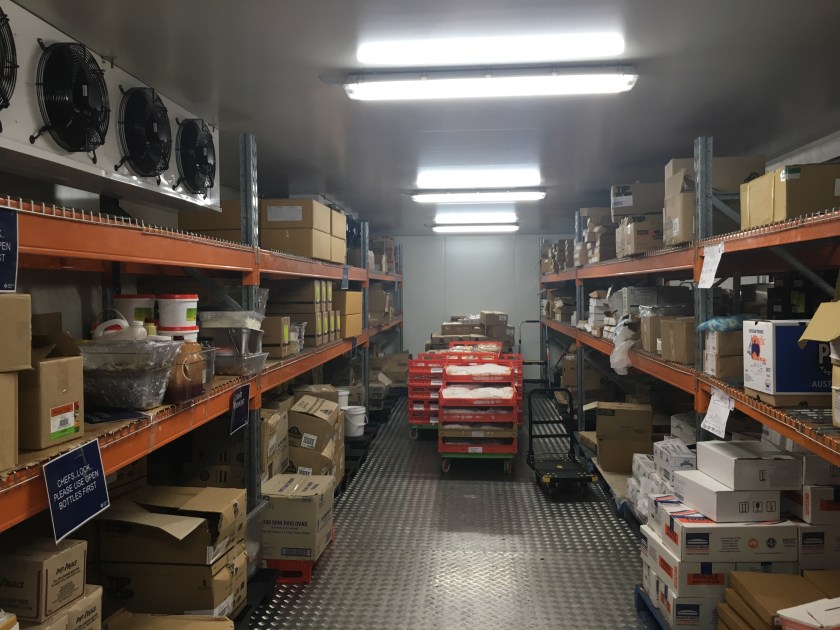
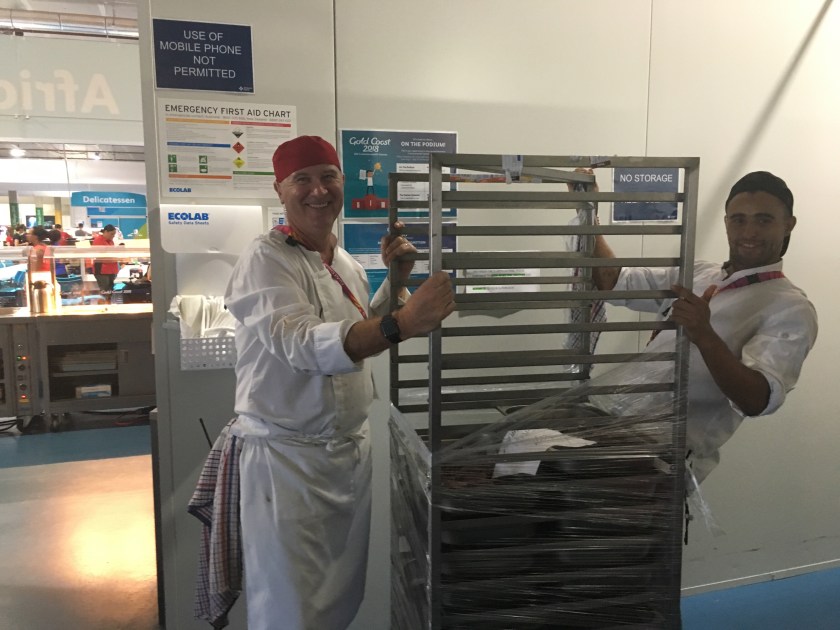
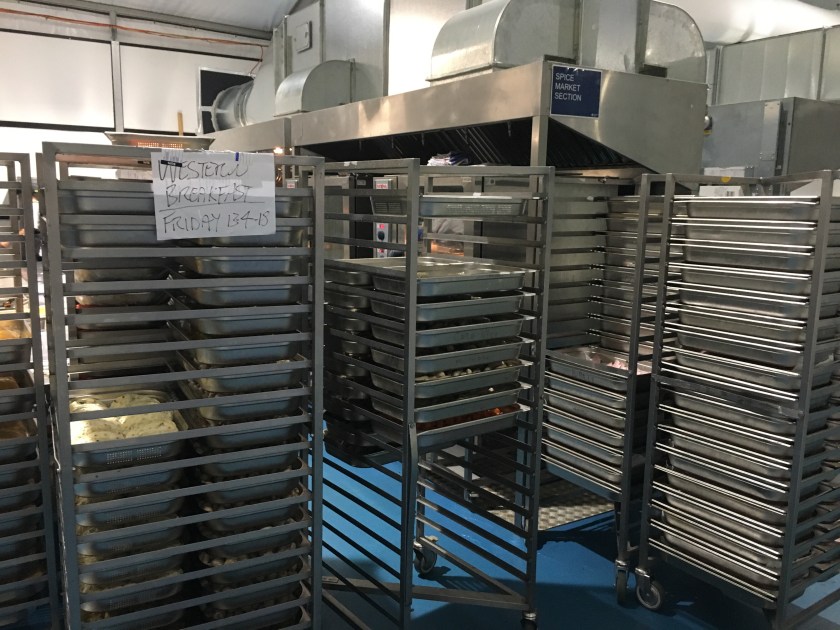 I never actually counted the number of chefs and cooks on the roster, but preparing, cooking and serving 6,000 breakfasts, lunches and dinners, with a few hundred ‘overnight’ meals as well requires quite a few sets of hands. Those of us cooking in the hot production kitchen essentially relied on the team in the cold production kitchen for all our ingredients to be supplied and prepped so we could do our job of suppling the team in the service area with cooked and ready to serve food, 24 hours a day, 7 days a week. There was never a time when food wasn’t available, with breakfast running into lunch, lunch into dinner, dinner into supper and supper into breakfast.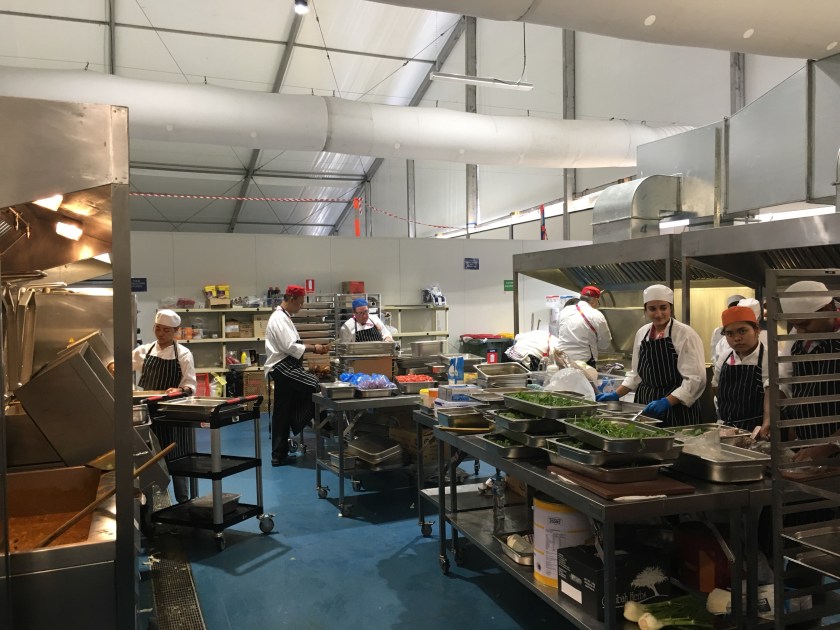
 Take The Leap