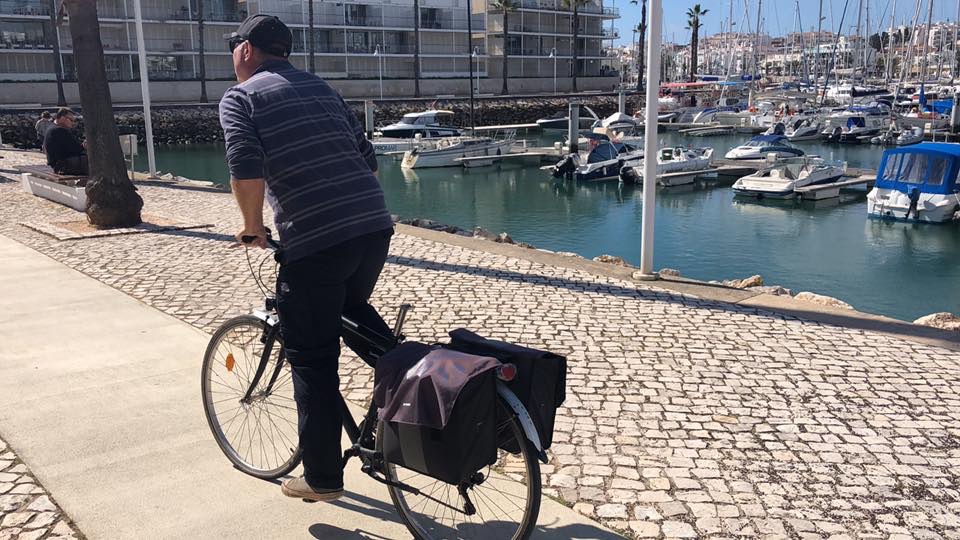
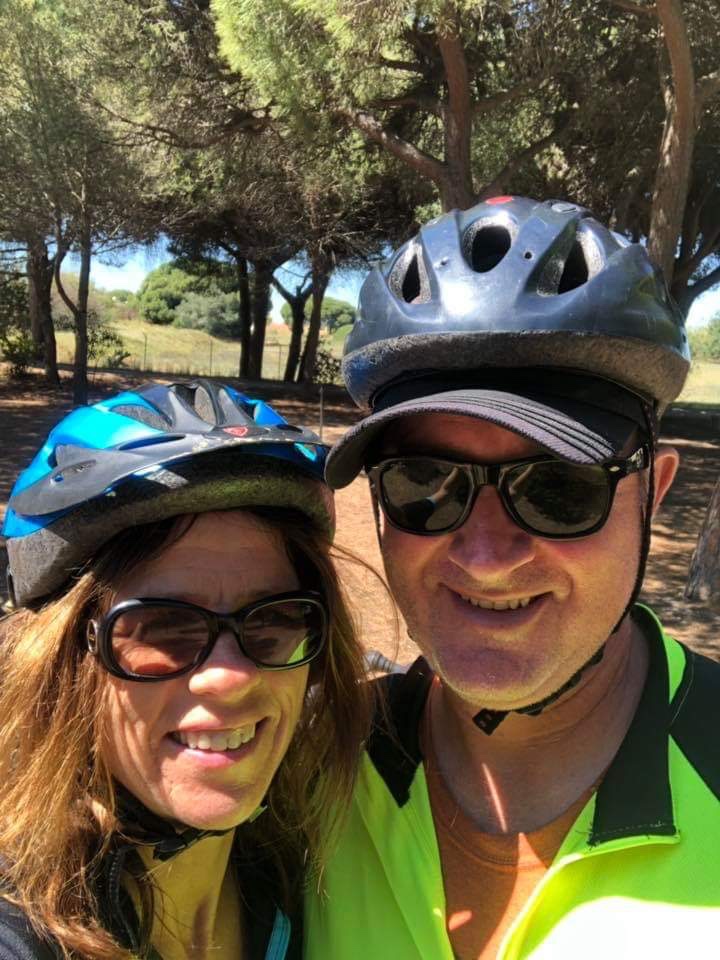
Conquering Your Fears of Travel as an Empty Nester: Rediscovering Life on a Budget

Fear. It’s something we all experience, especially when faced with the unknown. For many, the idea of traveling to new places, particularly to unfamiliar countries, triggers some anxiety and doubt. What if it’s too expensive? What about our jobs? What if it’s not safe? What if it doesn’t go as planned? What if we run out of money? What if we are too old for these adventures? The list goes on ….

These kind of questions often stop people from experiencing the life-changing benefits of travel. But here’s the truth: travel is one of the most powerful ways to conquer your fears and grow as a person.

For many of us the transition from a busy home to an empty one can bring mixed emotions. On one hand, it’s a time of newfound freedom; on the other, it’s a time when you may feel unsure about what comes next. And for those who have always dreamed of traveling, that fear of the unknown can often hold you back, especially when you’re mindful of a budget. But travel doesn’t have to be expensive or daunting—it can be your gateway to conquering fears and rediscovering life.

Here’s how stepping outside your comfort zone through travel can transform your life, even on a budget:

1. Start Small, Dream Big

As empty nesters, you’ve probably spent years prioritizing family responsibilities. Now, it’s your time which is exciting. Start by exploring your own backyard—take a weekend caravan trip or book a short getaway somewhere not too far away. These small trips can build your travel confidence without overwhelming your budget. As you get comfortable, you can plan bigger adventures, like exploring some iconic caravan routes or head off to some national parks for great hiking and camping. And after that maybe even consider an extended trip overseas?

2. Let Go of the ‘What Ifs’

Traveling as an empty nester brings a lot of “what if” fears: What if it’s too expensive? What if it’s not safe? What if it doesn’t go as planned? Budget-friendly travel is possible with a little planning. Look for affordable options like Airbnb stays, road trips and caravanning, searching for off-season travel deals. And remember, travel doesn’t always go according to plan—and that’s okay. Some of the best memories come from embracing the unexpected.

3. Use Your Experience to Your Advantage

One of the benefits of being an empty nester is that you have years of life experience to draw from. Whether it’s budgeting wisely, planning family trips in the past, or handling a difficult situation you’ve got skills that are perfect for travel. You know how to manage a budget, spot a deal, and navigate challenges. Use these skills to plan affordable trips, whether it’s a long road trip or a quick international getaway.

4. Connect with Fellow Travelers

You’re not alone in wanting to travel as an empty nester. There’s a whole community of like-minded people who are stepping out and exploring the world after years of raising a family. Whether you meet fellow caravaners, chat with locals at a budget-friendly stay, or join a group tour, connecting with others can help you conquer any fears of loneliness or isolation while on the road.

5. Trust Your Instincts—You’ve Got This

When you first start traveling, especially on a budget, it’s easy to feel uncertain. But remember, you’ve already navigated life’s biggest challenges—raising kids, managing a household, and finding balance. Trust in your ability to adapt and enjoy the journey. Each time you step out of your comfort zone, you’re not just discovering a new place—you’re rediscovering yourself.

6. Travel on Your Own Terms

One of the perks of being an empty nester is the freedom to travel when and how you want depending on your own individual circumstances of course. Perhaps you are still working either full or part time or have been able to fully retire. Work your travels around your own life right now. With us over the past few years we’ve been fortunate enough to step in and out of work with extended trips either here in Australia or overseas.

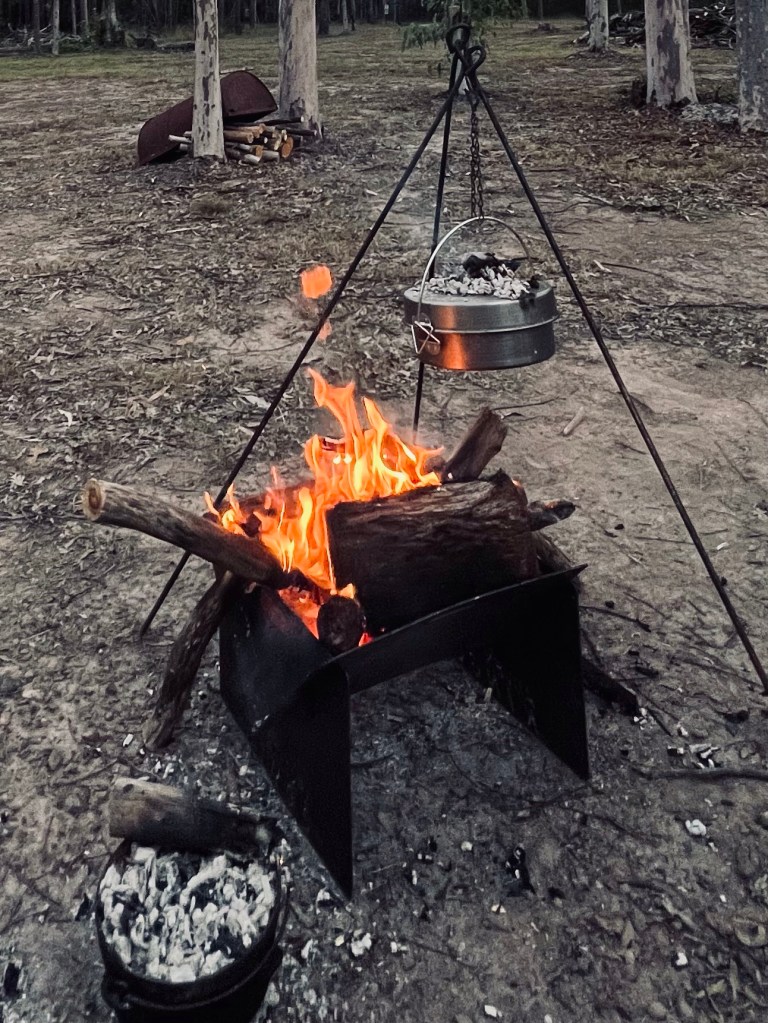
Have a think about what you like to do. Do you enjoy hiking, kayaking, or maybe relaxing in nature? Pick destinations that offer these activities without breaking the bank. Love cooking? Stay in a place with a kitchen where you can prepare your own meals. Or enjoy the freedom of cooking from your caravan and learn more about camp fire cooking. With some research, you can find budget-friendly accommodations that allow you to experience the local culture without overspending.

7. Embrace Slow Travel

Let me tell you something. Mike and I need to get better at this!! Instead of rushing through trips or ticking off tourist spots, try to embrace the idea of slow travel. It’s not about packing in as much as possible—it’s about experiencing a place fully and not even worrying about all the tourist spots. Stay in a caravan park for a week, explore a national park, or spend a few days exploring a small town. If you have no real time frame even consider staying longer if you can. Slow travel is often more affordable and allows you to immerse yourself in a destination without feeling pressured to do it all.

Final Thoughts: Rediscover Life Through Travel

As an empty nester, your world is wide open again, and travel is a way to step into this new chapter with excitement, not fear. By starting small, planning smart, and embracing the unknown, you can conquer your travel fears while staying within your budget. Each trip will remind you that life is full of opportunities—waiting for you to discover them.

So, pack your bags, map out your next adventure, and remember: it’s never too late to travel, explore, and conquer your fears!

Follow us:

https://www.instagram.com/norealdestination

‘Cooking with Mike’ on You Tube 

http://youtube.com/playlist?list=PL6Rj52yLvOLIpytzBtGj7wUgRze10eyX8&si=SxsV2y8jTRrSxkTx
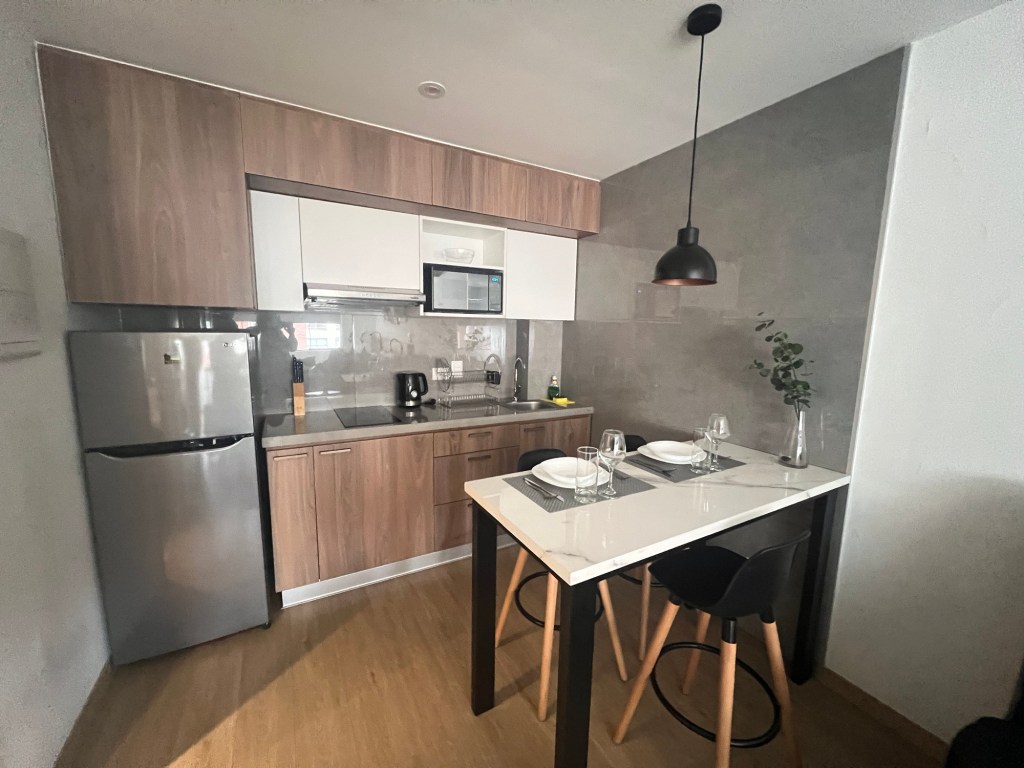
“10 Smart Tips for Making the Most of Your Airbnb Kitchen While Traveling on a budget”

We love to stay in an Airbnb on our travels overseas and also here in Australia and we are always looking at ways to save money. Making the most of an Airbnb kitchen while traveling can enhance your experience and help you stick to a budget. Here are some of our tips for maximizing your Airbnb kitchen:

1. Plan Meals Around Local, Affordable Ingredients

  • We love to shop at the markets. So go and check out the local markets and grocery stores for fresh, in-season produce and affordable staples. Local ingredients are often cheaper and give you the chance to try new foods and experience new flavours. Cooking with local flavors enhances the travel experience and supports the local economy and its also a great way to immerse yourself into the culture too.

2. Plan Simple, One-Pot Meals

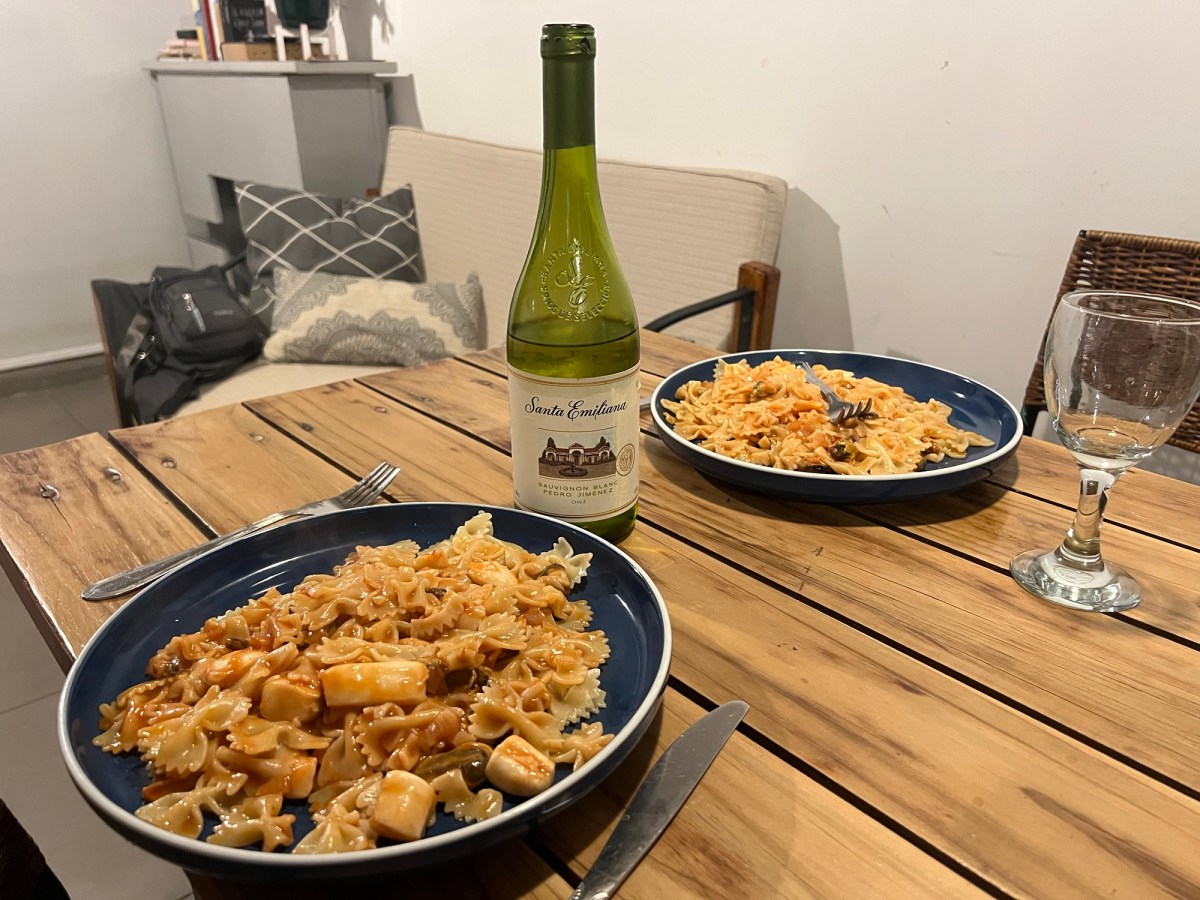
  • Stick to recipes that require minimal equipment and are easy to make in small or basic kitchens. Think stir-fries, pasta, soups, or grain bowls. These meals are filling, easy to prepare, and require minimal ingredients. Our go to very often is a one pot meal.
  • Always remember to use the fresh local ingredients from markets or grocery stores to create dishes that are easy and delicious.

3. Buy in Small Quantities

  • Since you’re traveling, you may not need large quantities of food. Remember you might need to take it with you to your next destination.

4. Reuse Ingredients Across Meals

  • Mike isn’t really into meal planning but I would still consider planning a few meals to avoid buying unnecessary ingredients.
  • Plan meals that allow you to use the same ingredients in multiple ways. This will save you money and avoid waste. For example, if you are able roast off a chicken and use the leftovers in salads, wraps, or pasta dishes. Even pack up lunch the next day with chicken sandwiches. Another one – if you buy a bag of rice, you can use it for multiple meals. We even use left over rice for stir fried rice for breakfast the following morning. So yummy.

5. Limit Eating Out

  • This is a massive one for us. Save money by cooking most of your meals in the Airbnb and only treating yourself to occasional meals out. This is what we often do as breakfast and dinner are often the easiest to prepare at home, leaving you free to explore during the day. A few months back when we were in Malta we had this most amazing Airbnb with a massive balcony overlooking the main square. Why would we want to eat our dinner anywhere else?

6. Opt for Easy Breakfasts

  • Stock up on items like eggs, yogurt, and fruit for easy breakfasts. This way, you can have a healthy start without spending too much time in the kitchen.

7. Assess the Kitchen Setup Early

  • Upon arrival, check what’s available in the kitchen: pots, pans, utensils, spices, and pantry staples. Many Airbnbs come stocked with basic cooking supplies like oil, spices, and condiments but before you do your first shop always check to see what’s already there when you arrive and incorporate what’s available into your meal plan. We’ve made the mistake so often that we haven’t looked and end up buying staples that are there already! We’ve also assumed there would be enough saucepans in each place we’ve stayed in but one time (in Lima, Chile) we opened the cupboard to find just one small frying pan. That was then fun trying to plan our meals with just this!!
  • Also If you’re unsure of the equipment available before your trip, maybe ask the host for details in advance. Maybe that’s what we should’ve done that time!

8. Batch Cook for Leftovers

  • Make larger portions of meals and store leftovers for quick, budget-friendly meals later during your stay. This saves both time and money, especially on busier days when you may not want to cook.

Cooking in your Airbnb kitchen is a great way to stretch your travel budget and still enjoy delicious, home-cooked meals. I hope that these tips can help you enjoy the comfort of home-cooked meals while embracing the excitement of travel.

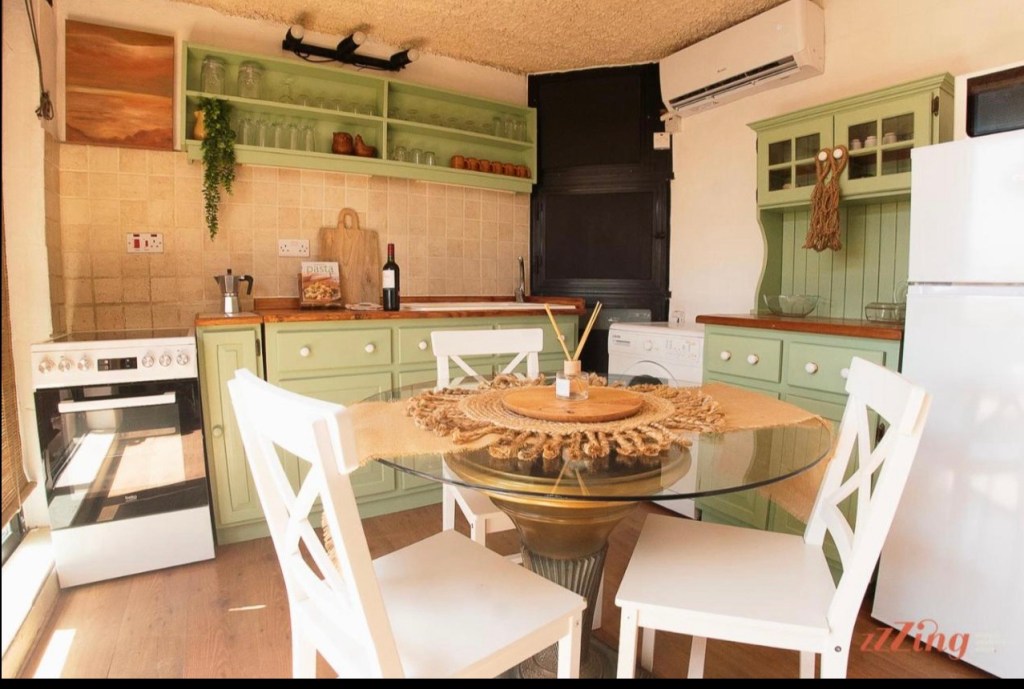
This was the Airbnb with just one small frying pan!!!

Follow us:

https://www.instagram.com/norealdestination

‘Cooking with Mike’ on You Tube

http://youtube.com/playlist?list=PL6Rj52yLvOLIpytzBtGj7wUgRze10eyX8&si=SxsV2y8jTRrSxkTx
Disaster on the Bloomfield Track

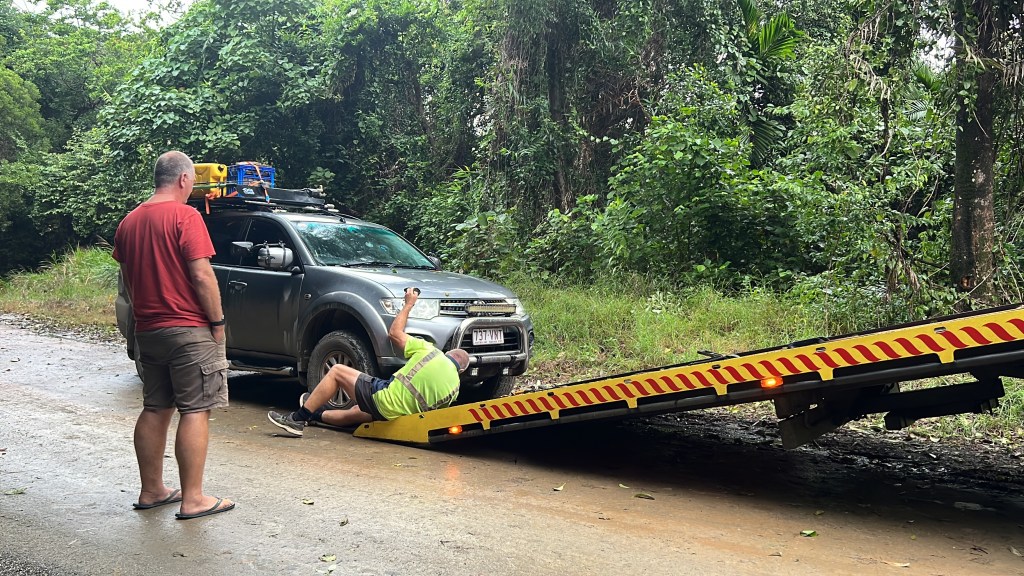
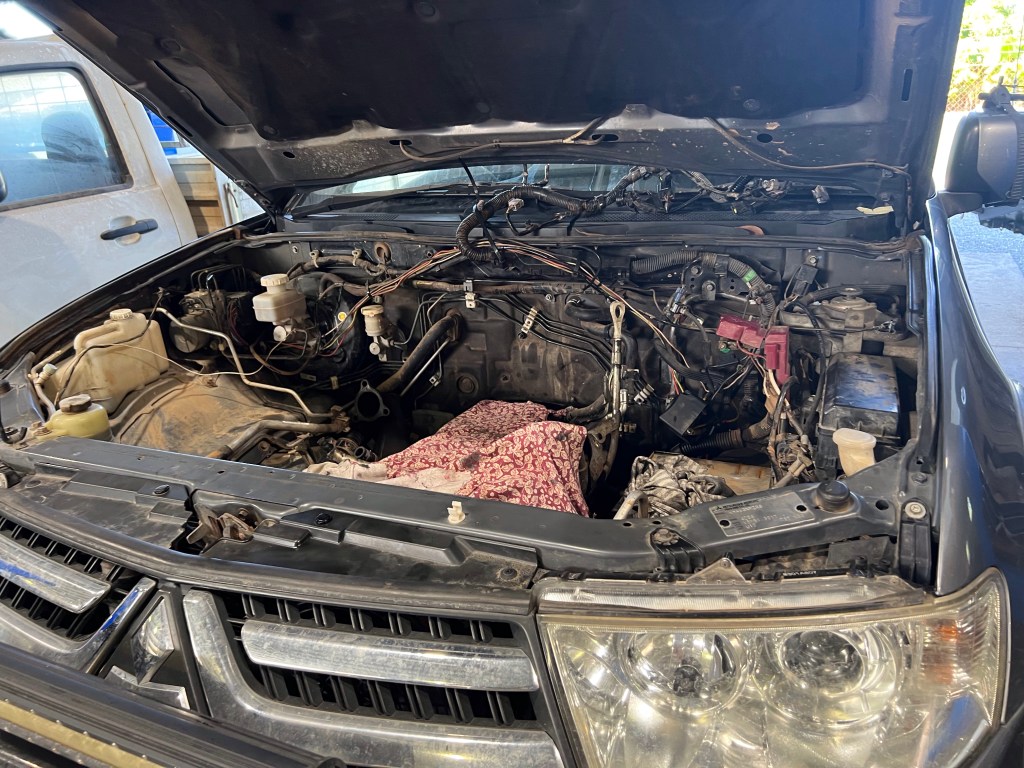
A lot has happened in the past ten days, starting with the car breaking down. Most of us have experienced a mechanical breakdown before, but in most instances you call the RACQ (AA, RAC, NRMA), or whatever the equivalent is for where you are. An hour or so later you are either on the way again or on a tow truck heading home.

Not quite that easy in a remote area of North Queensland. Now, to be fair, we could have been a lot more remote, and things could have been a lot worse, but it was a bit awkward.

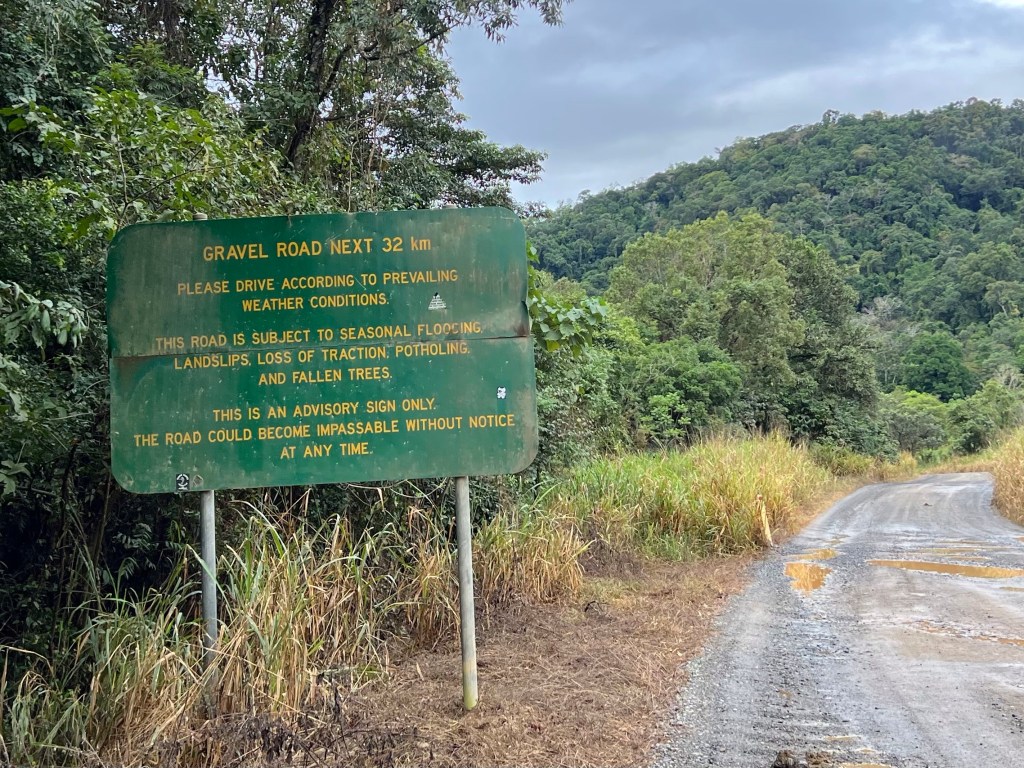
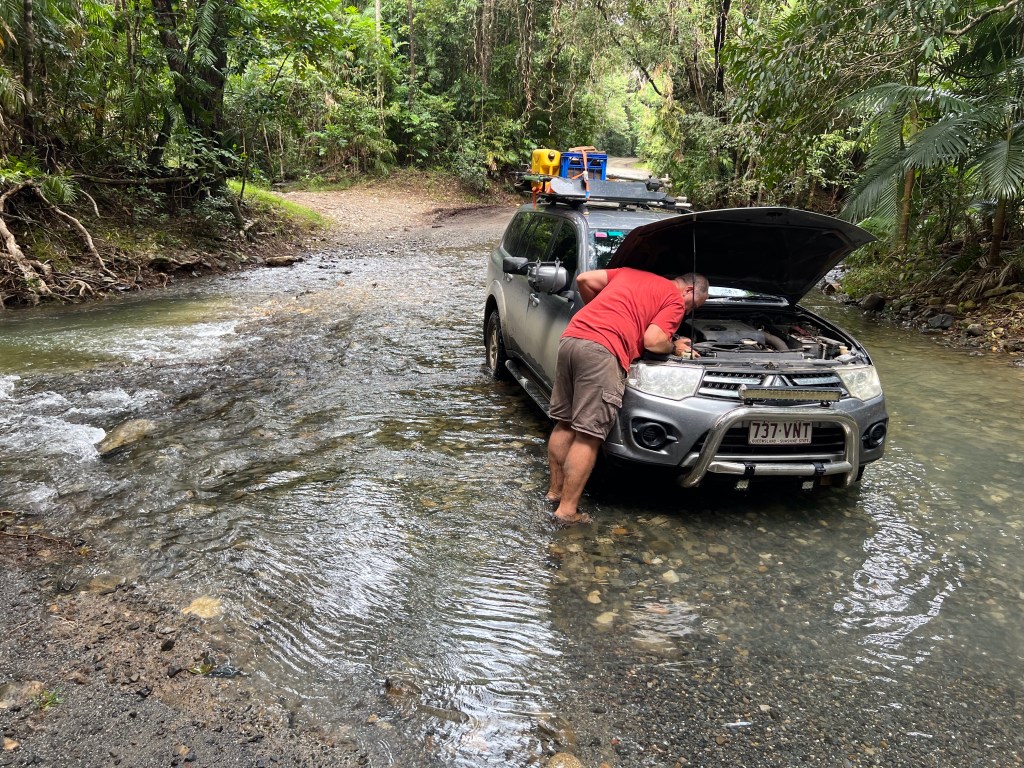
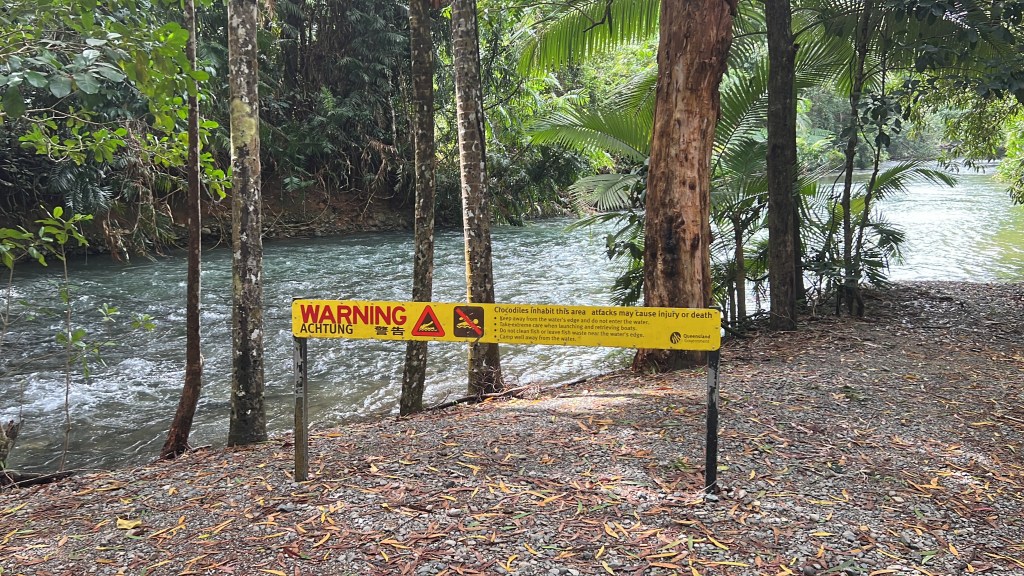
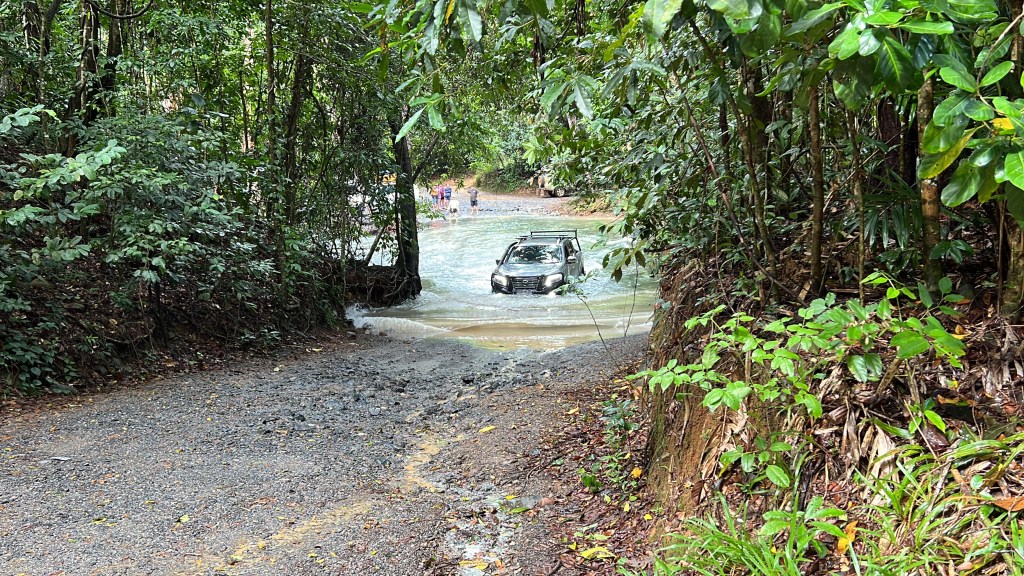
We broke down on the Bloomfield track, which is a four wheel drive only route between Cape Tribulation and Cooktown in Far North Queensland. Now this certainly isn’t an extreme 4WD route, but it does have a few water crossings and some very steep bits, and we did actually break down right in the middle of a water crossing, oh, and did I mention that North Queensland is crocodile country! Bit awkward. And then there is the bit about no mobile phone coverage, also a bit inconvenient in the circumstances.

The Bloomfield Track
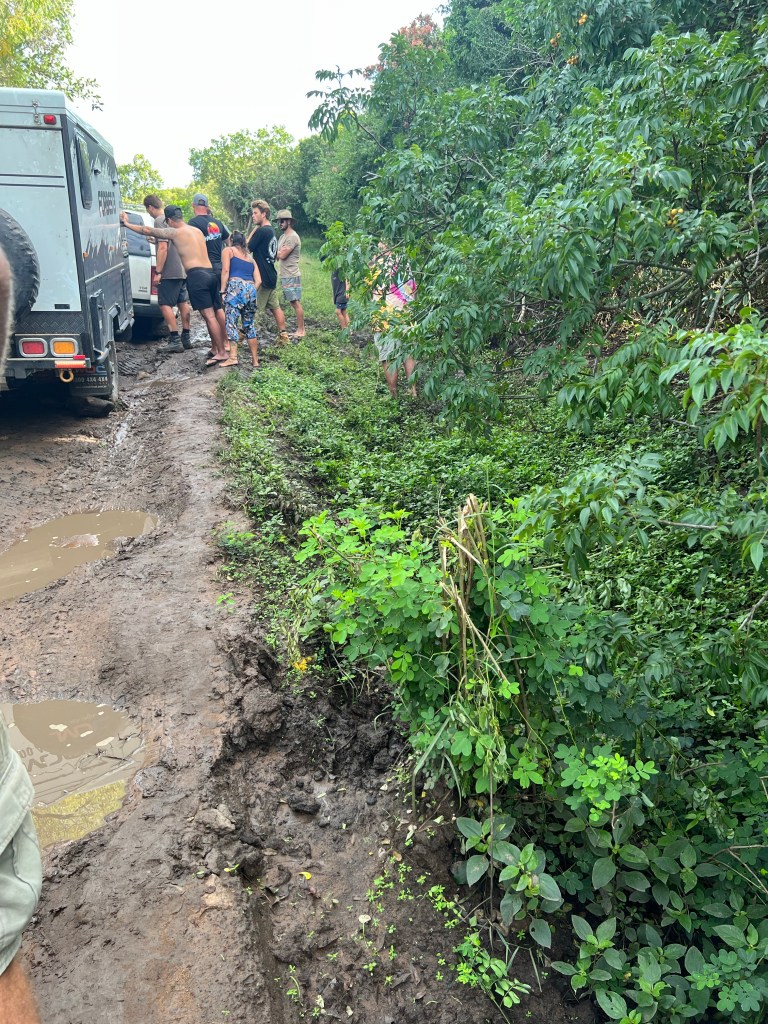
Stuck in the crossing
Didn’t see any here

Breaking down in the water crossing wasn’t ideal, but it was actually only really ankle deep and the chance of a croc in there is very low. Had we broken down in the previous crossing a couple of k’s before, that would have been slightly more annoying. That one was close to waist deep and flowing fairly rapidly. A stationary car in there might not have stayed stationary for too long!

Glad we didn’t get stuck in this one

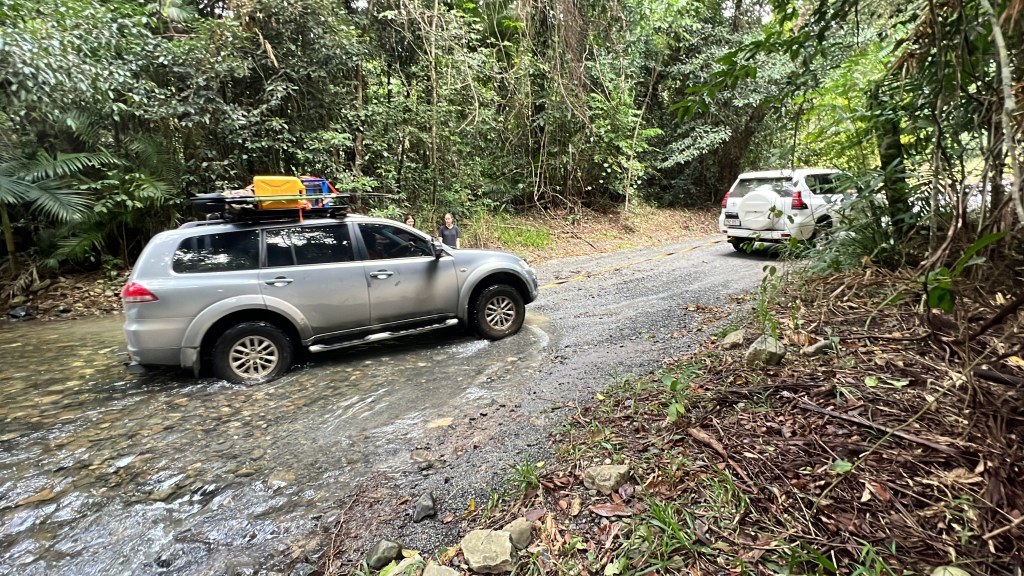
Fortunately though we didn’t need to wait too long for the first car to come by and at least tow us out of the water and back onto dry land.

Getting onto dry land

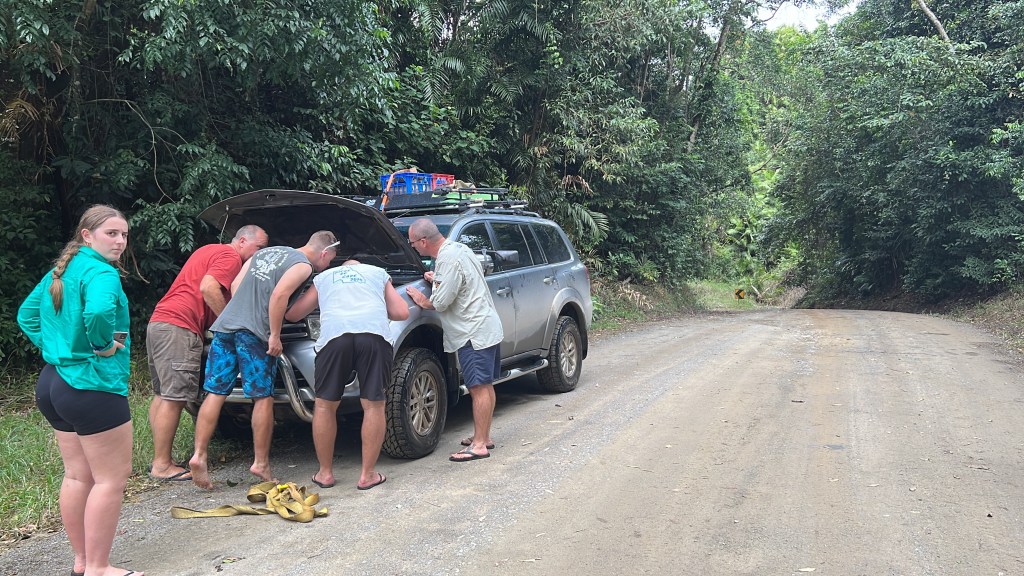
Then what? Can’t just phone the RACQ when there is no phone service. Over the next half an hour or so a few people stopped to see if they could help. There were plenty of suggestions to try this that or the other, but the car steadfastly refused to start despite the best efforts of a few bush mechanics. So, we just asked anyone and everyone to call the RACQ on our behalf as soon as they reached somewhere that had phone service, and we were prepared to settle in for the wait. The only trouble with that plan though is that you can’t be 100% certain that they are on the way.

Bush mechanics

But then along came a couple of outstandingly decent human beings. Lester and Pam, you guys are amazing.

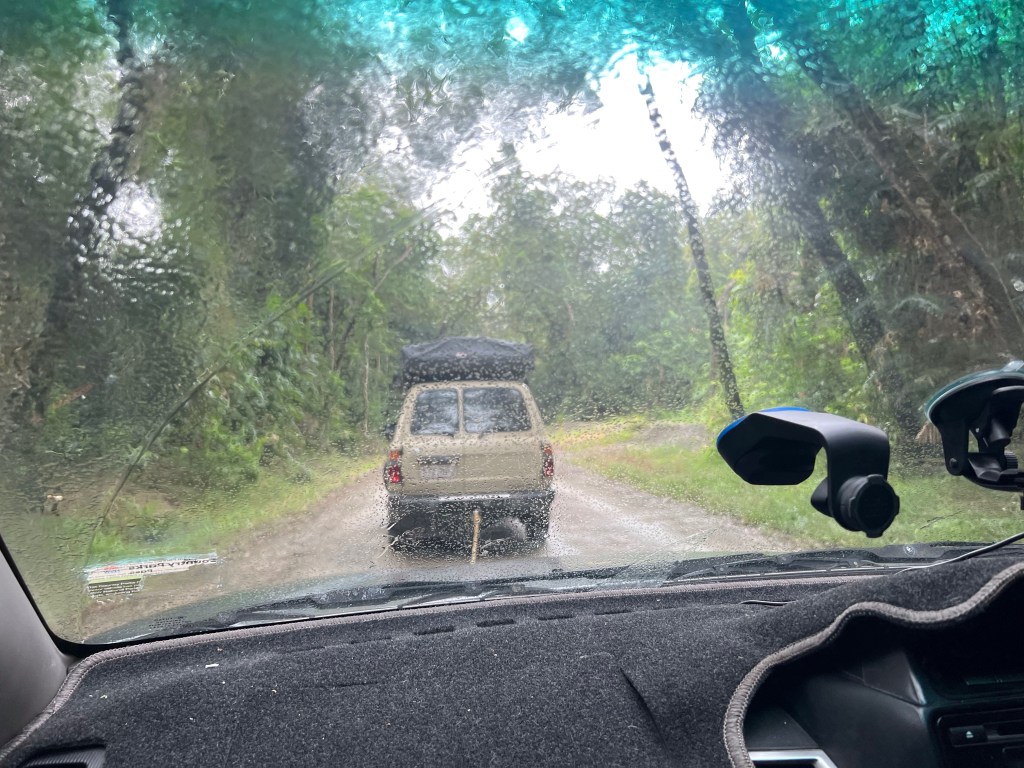
A local who was still there when Lester and Pam arrived reckoned that you could get phone service at the top of the next hill, so Lester suggested towing us up there so that we could at least be in contact with the outside world. Seemed like a reasonable plan, so we got the snatch strap out again, hooked up and off we went. All seemed fine until we got to the hill, and then it got a little scary. We are talking hills that you need to use low range gearing to get up, being towed by our 20 year old snatch strap, in a car with no running engine and therefore no power steering and limited breaking ability. Had the strap broken, things may have been interesting, but fortunately it didn’t. Anyway, we got to the top of the hill, and, no phone service. Pam reckoned she had a few bars come up on phone a bit further back, so we went for a walk, held phones in the air, looked for clearings in the trees, all to no avail. I wasn’t game to be towed any further, and especially not down hill, so we needed a new plan.

Hope that strap holds

Lester suggested that he and I jump in his vehicle and drive back to Cape Tribulation where there was phone service while the ladies stayed with our car. It actually wasn’t that far, maybe only 10 ks or so, but that is 10 ks on a 4WD track, with a couple of water crossings and a very steep hill. We were there and back in a bit over an hour, so not too bad.

As soon as we got phone service I had a message from Jeff the RACQ tow truck driver. Jeff also turned out to be a superior human, but more on that later. I gave Jeff a call back and he told me he was just leaving Mossman and would be there in a couple of hours. It was at this point the issue of where we were going to spend the night first came up. Our caravan was in the campground of the Lions Den pub, about 200ks north of Mossman, so that certainly wasn’t going to be an option. Someone at RACQ was trying to find us a bed for the night in Mossman, but Jeff reckoned the chances of finding anything were pretty slim.

So after a couple of phone calls Lester and I headed back up the track to where we had left Ali and Pam so that we could hang out and wait for Jeff and the tow truck. Lester and Pam were actually heading to camp where our van was so we suggested they camp by our caravan in our spot. Lester left us with a couple of very welcome cold beers and an invitation to stay at their place in Cairns on the way back south. At the time I really didn’t understand how significant that invitation was going to be.

At about 5.30, about 4 hours after we broke down, Jeff the RACQ man turns up in the truck and loads Mitzi (our Mitsubishi Challenger) onto the tray, and after a slightly hairy 7 point turn on the narrow track, we are heading back south to Mossman, and getting further away from our caravan.

Jeff to the rescue

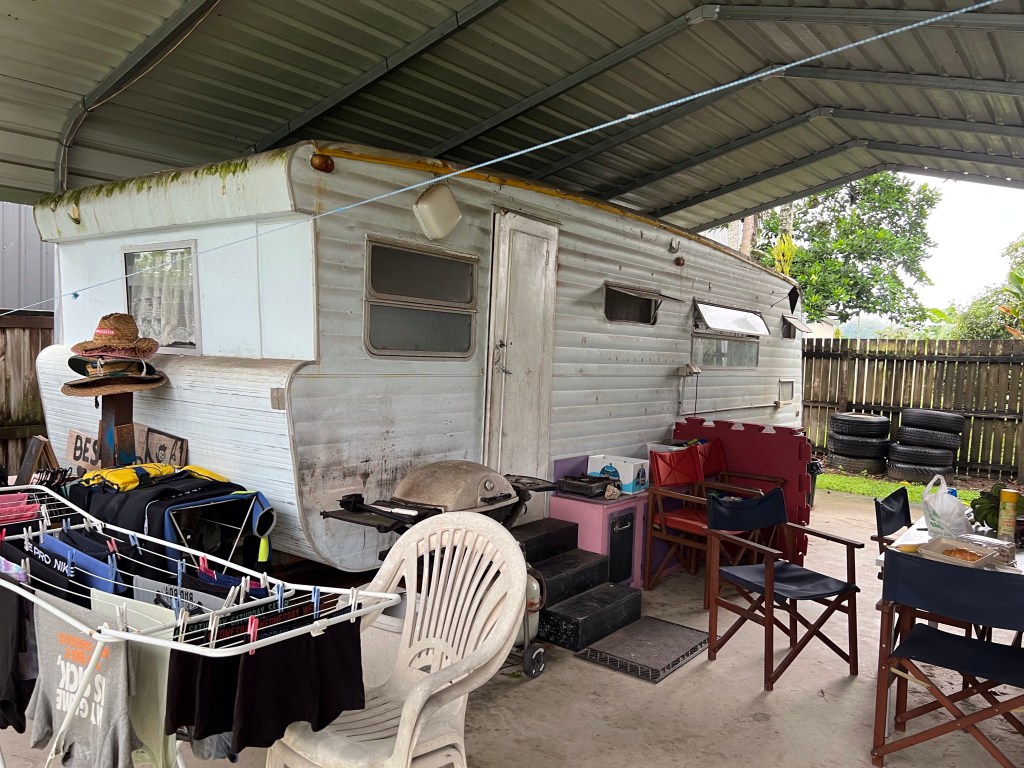
When we get phone service again there is a message from RACQ to let me know that there is no chance of any accommodation anywhere near Mossman. Our only solution is to sleep in the car and then work out what to do the next day. But, this is where Jeff proved what a superior human he is. After about half an hour or so and some good conversation, Jeff tells me that he can’t let us sleep in the car and that he has a caravan in his backyard that we can sleep in. What a legend. It doesn’t end there though, he takes us to get a takeaway on the way back so that we have something to eat, gives me a beer (already had the two Lester gave me), and in the morning gives me the keys to his Toyota Prado so that we can get into town to get some breakfast and coffee.

Jeff’s caravan

Now all of this happened on a Saturday afternoon, so even though the car was now at a garage, no one was going to look at it until Monday at the earliest, so we needed a plan of what to do next, and this is where Shane came to the rescue.

We were supposed to be meeting Shane a few days later at Cooktown so that we could go up Cape York peninsula (the northernmost bit of Australia) together. Shane had come up to North Queensland with his caravan and his wife Danielle, and they were in Cairns when we broke down.

On the Sunday morning Shane made the 100k drive to Mossman to pick us up, and then we headed north to get our caravan and bring it back to Cairns. This is where the significance of the offer from Lester and Pam suddenly made sense. They had room in the backyard for us to set up the van and stay as long as we needed.

So we left Mossman with Shane at about 10am, got the ferry across the Daintree river, drove to Cape Tribulation and then onto the Bloomfield track where we had broken down the day before. This time though, no problems, and we got to where our caravan was at about 1.30pm just in time for lunch at the Lions Den pub. After hitching up the van, making a 12 pin plug fit a 7 pin socket so we had brakes and lights, we were on our way again. We finally arrived back in Cairns at about 8.00pm, so nearly a 10 hour, 500 k round trip.

12 pins into 7

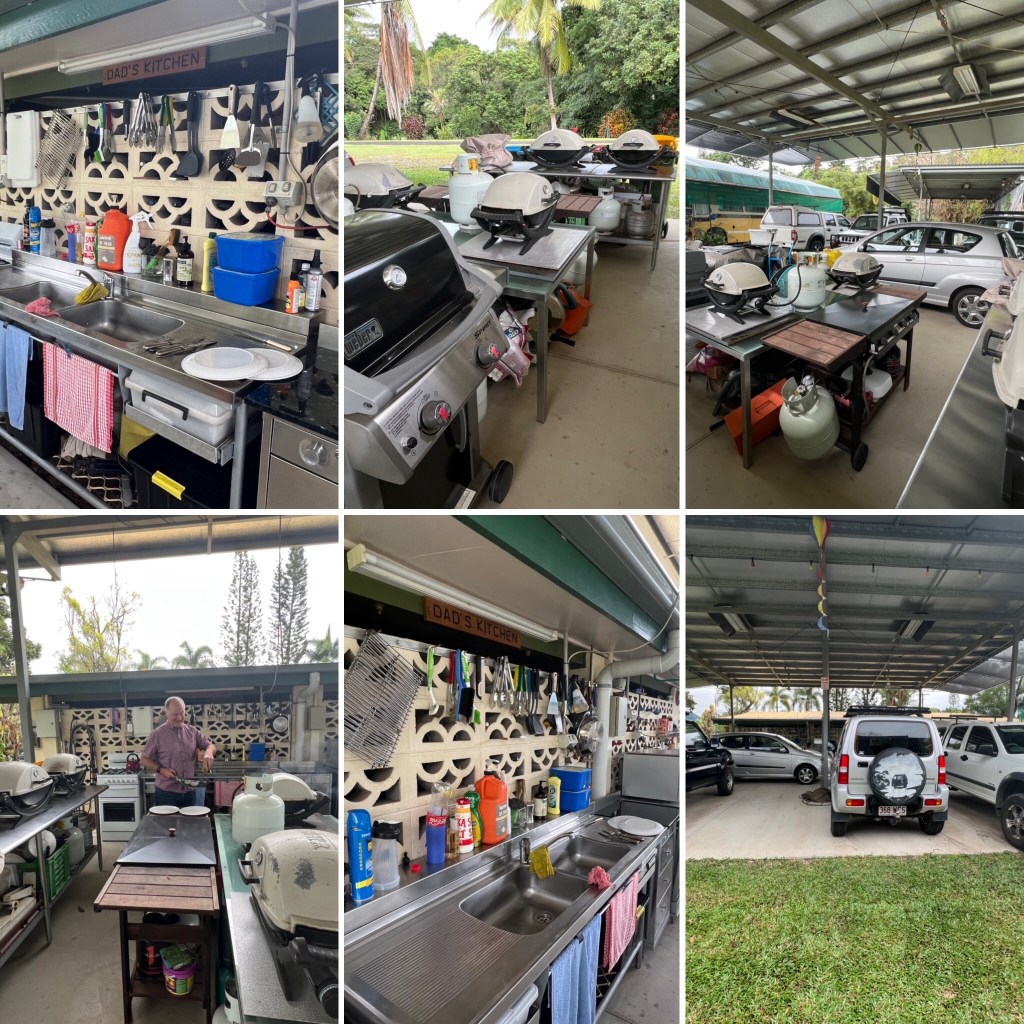
Lester and Pam’s place was amazing. The back yard is better then some caravan parks we have stayed in. There is an outdoor kitchen area with a choice of BBQ’s, a shower and toilet accessible without going in the house, and power and water to hook the van up to. They even had a spare car for us to borrow! Turns out that Lester and Pam are very experienced travelers and had spent a few years travelling Australia in their big bus with the 4WD in tow behind. It seems like we are not the first stranded travelers that they have rescued.

Lester and Pam’s

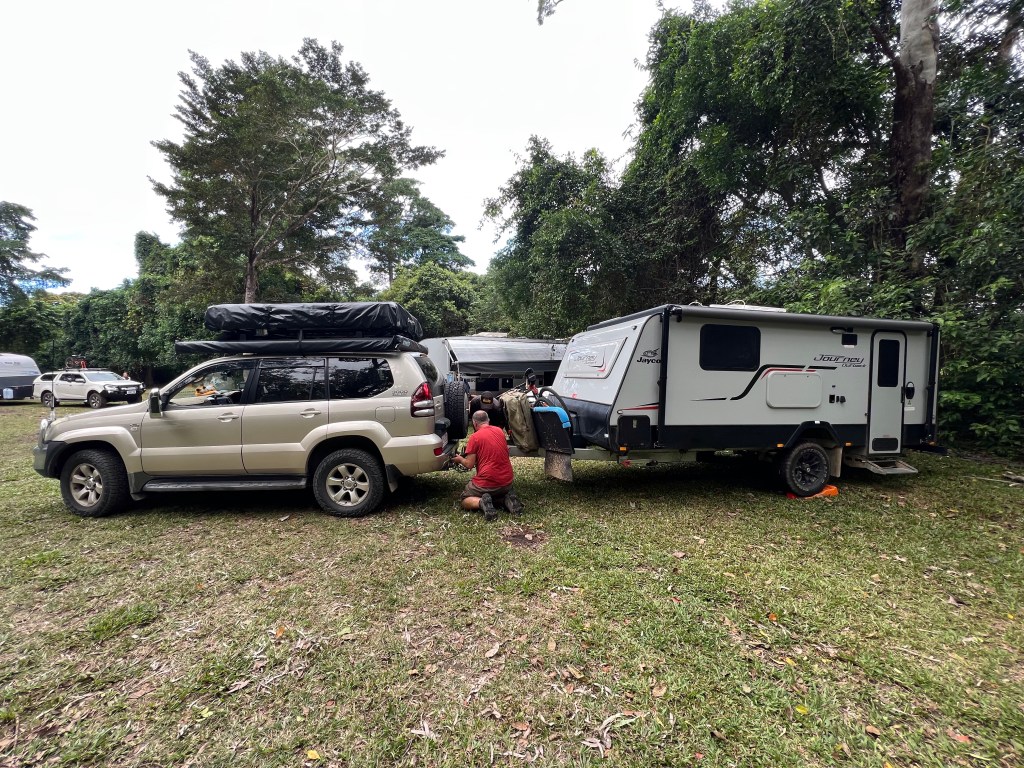
Shane’s plan had always been to leave his caravan at Mareeba and use his rooftop tent for the trip to the cape. Dani had already decided that a few weeks in a rooftop tent going up the cape wasn’t for her, so she was heading back to the Gold Coast by air. So Shane suggested that we go with him in his car, and he would tow our caravan. Seemed like a good plan, and by this time we knew that our car would be off the road for three weeks or so.

After a few days at Lester and Pam’s we hitched up the van behind Shane’s car and headed to Mossman to get some essentials that were left in our car. By this time we knew the diagnosis on Mitzi. It was a broken timing belt that had caused the pistons to smash into the valves causing some major and very expensive damage.

Mitzi in bits

After an hour or so we were on the road again and headed to a free camp at Mt Molloy before starting to head up towards Cape York the next morning.

By day 2 we were hitting dirt roads and stopped for the night at Hann River station. The suspension in the car though didn’t seem quite right and Shane was a bit concerned about the air bag suspension.

On the dirt
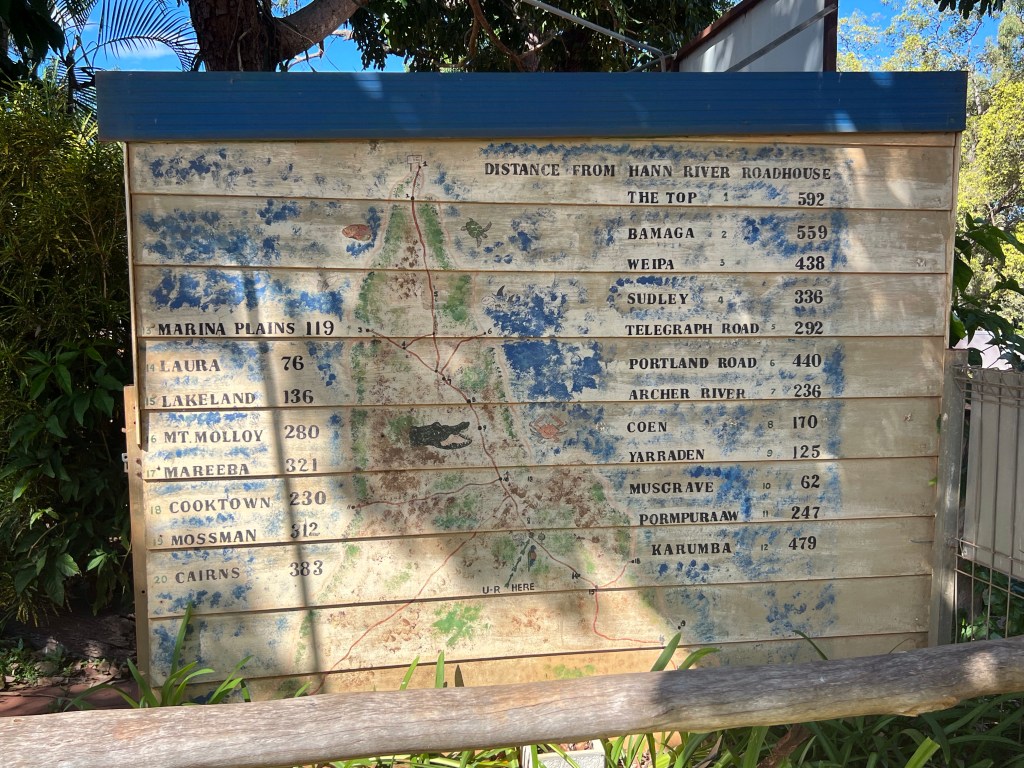
How far?

The next day we drove another 200ks or so and made camp by a beautiful creek. We were expecting it to be a one night stop, little did we think we would be here three days later, as I write this, still here, and not sure how much longer we will be here. Beautiful spot to be stuck though!

It turns out that the rear suspension is broken. Not ideal at any time, and certainly not when towing a caravan on dirt roads in remote areas with limited phone service and no nearby mechanical assistance. Things could be a lot worse though. We have plenty of food and water, it’s warm and we have a beautiful croc free creek to swim in. And, we have phone service.

As I write, we are still not sure of the plan, but Shane has called mechanics in Weipa and Cairns and no one can fix our issues for a few weeks. If we can get hold of the parts and the tools though, it may be something we can do ourselves. So, the plan we are working on is to locate the parts needed, get them sent to Cairns, get the RACQ to come and rescue us, the car and the caravan and get us Lester and Pam’s in Cairns where we may be able to fix the issue. Not in a major hurry though as it is beautiful just sitting by this creek for now.
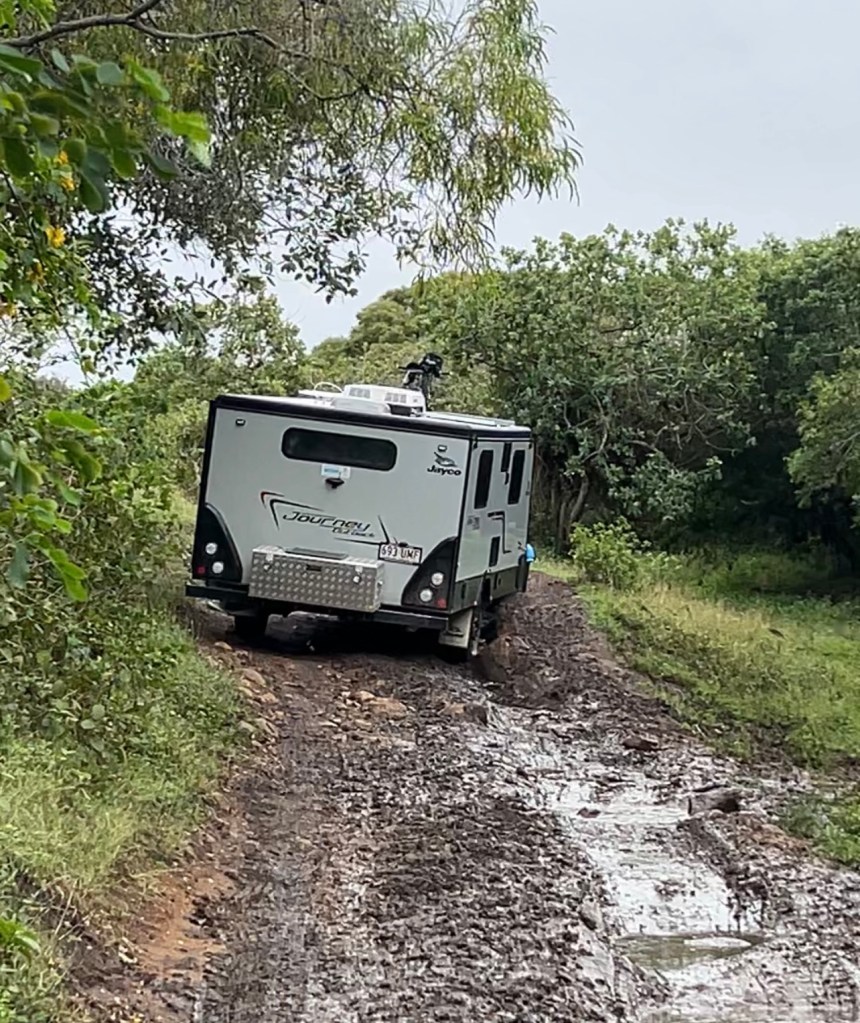
It may be that we are jinxed and will never get the the northernmost tip of Australia on this trip, but we’ve had fun trying, met some wonderful people, and we are all safe and well even if our bank balances are a little lower from the experience. Maybe there will be a part 2 to this story!

https://youtube.com/channel/UCXfRYbiLou9pSL2uH2nFFLg

The Whitsundays

Who would have thought that the Whitsundays had so much to offer, without actually needing to get on a boat and go to an island.

Every other time I have been up this way we have headed straight to Airlie Beach/Shute Harbour to get straight on a boat and get out to the islands. And there is no doubt about the fact that they are pretty spectacular. Last time we were here, about 18 months ago, we got out to Whitehaven beach and did some snorkelling on an island hopping tour. We spent very little time in Airlie itself that time. We were actually staying in Mackay and just drove up in the morning to get on a boat, and back again in the evening.

This time around, however, we didn’t get out to any islands and just explored what the region had to offer on the mainland from Conway Beach in the south to Bowen at northern end of the region. Have to say, I was quite surprised at the amount of beautiful and safe (out of stinger season) beaches to swim at.

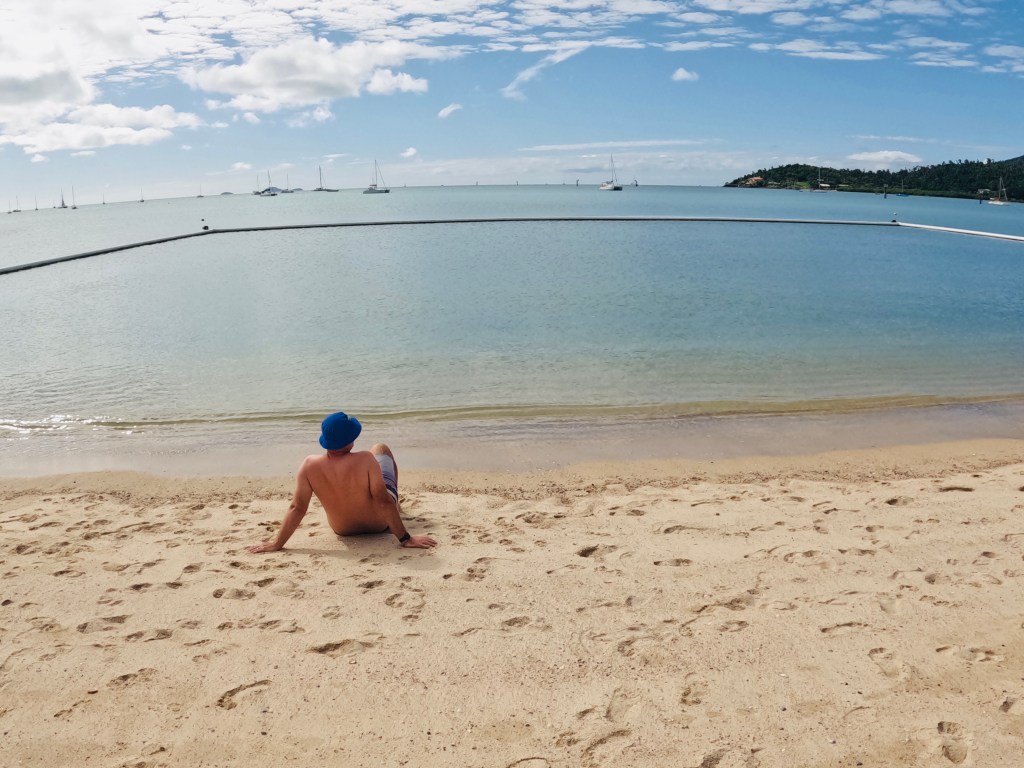
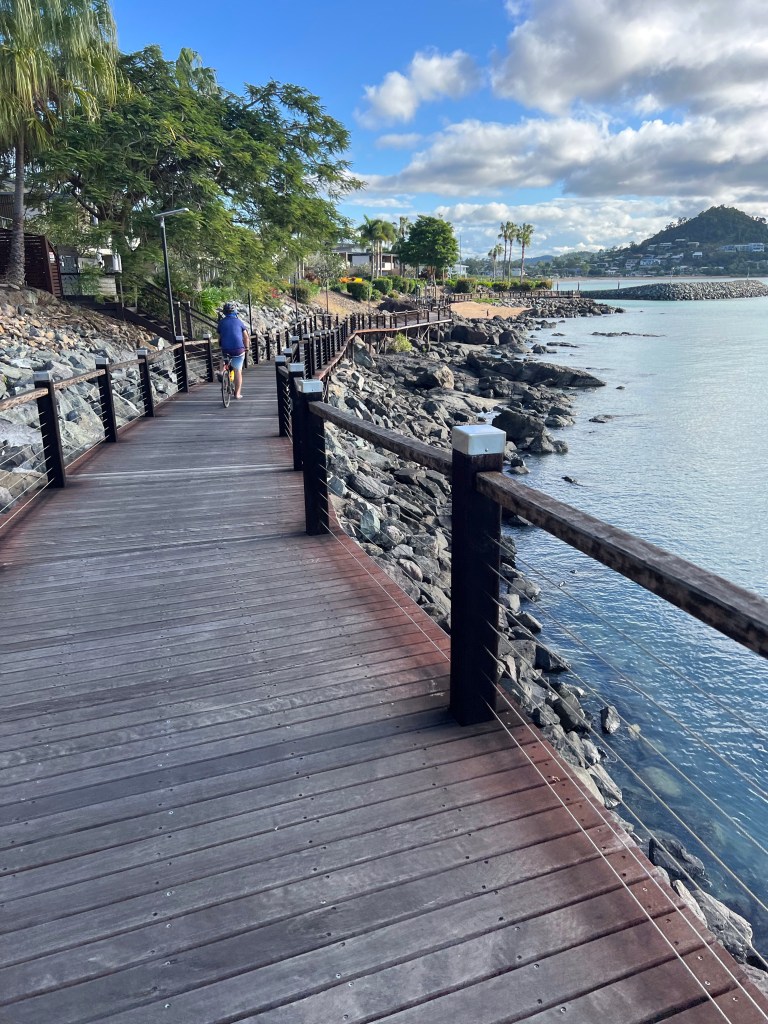
Proserpine which is the jump off point from the highway, and where the airport is, hasn’t really changed much since I first arrived there as a backpacker just over 30 years ago. Airlie Beach on the other hand is like a totally different place. As this is the main hub for trips out to the islands it really has grown and there is still plenty of new developments going up. Worth a visit, and we did actually find a beautiful beach to swim at, and the boardwalk between Airlie and Cannonvale was worth getting the bikes out for. But, other than that, it is another over commercialised, over priced tourist hub with the best bits of the region and cheaper accommodation to be found in the surrounding areas.

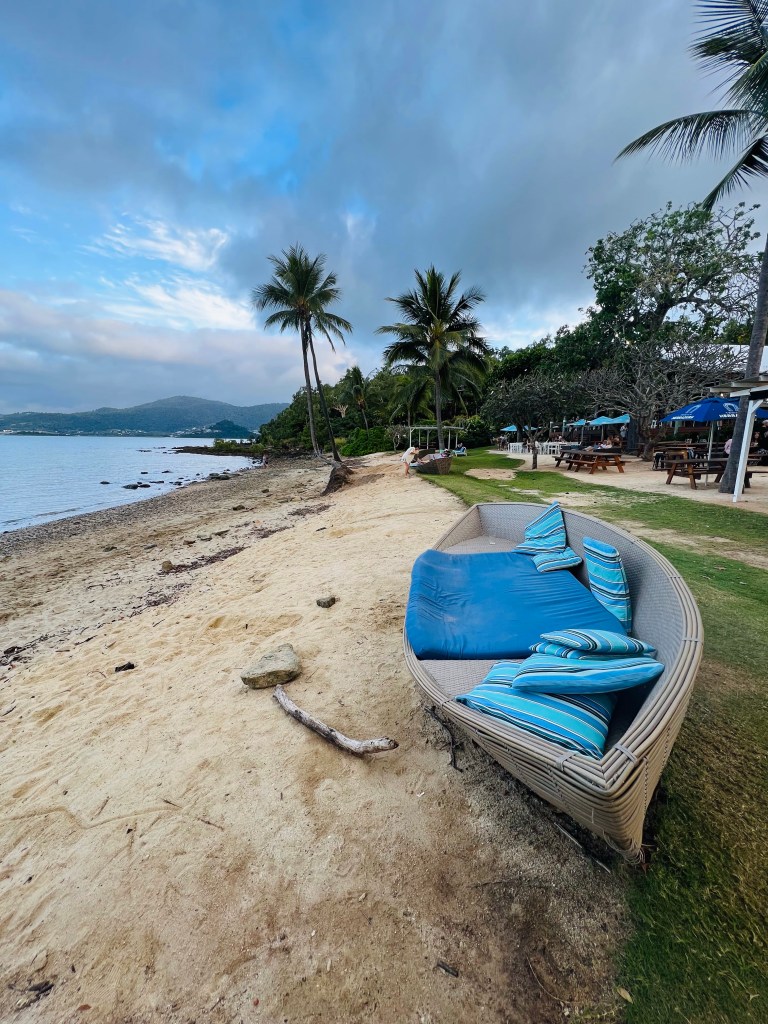
Beach in Airlie
Cycling the Boardwalk

We actually spent our first few nights in Proserpine. Not that Proserpine itself has much to offer, but it is actually quite central if you want to explore Conway Beach, Conway National Park, Cedar Creek Falls and take a trip to ‘Northerlies’ for lunch or just a cold beer looking across the bay to Airlie.

Northerlies for a beer

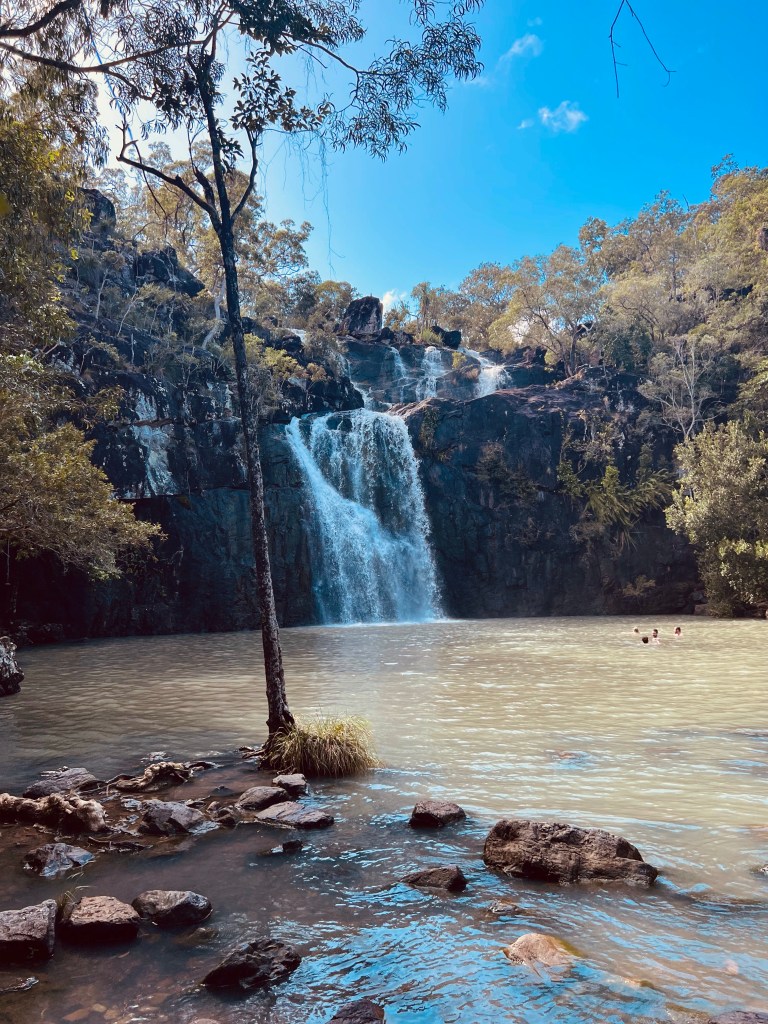
Cedar Creek falls was a beautiful, if rather busy spot, with a great swimming hole under the falls. Well worth the visit.

Cedar Creek Falls

A hike up Mt Roper in Conway National Park was well worth the effort and it afforded a fantastic view out to the islands.

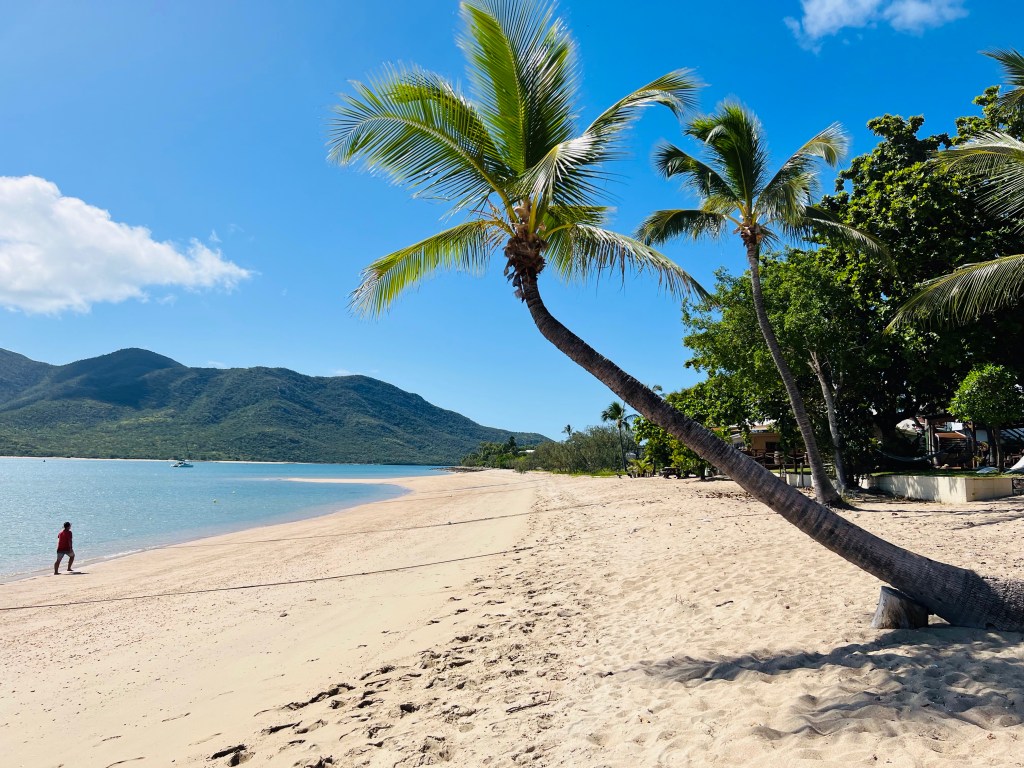
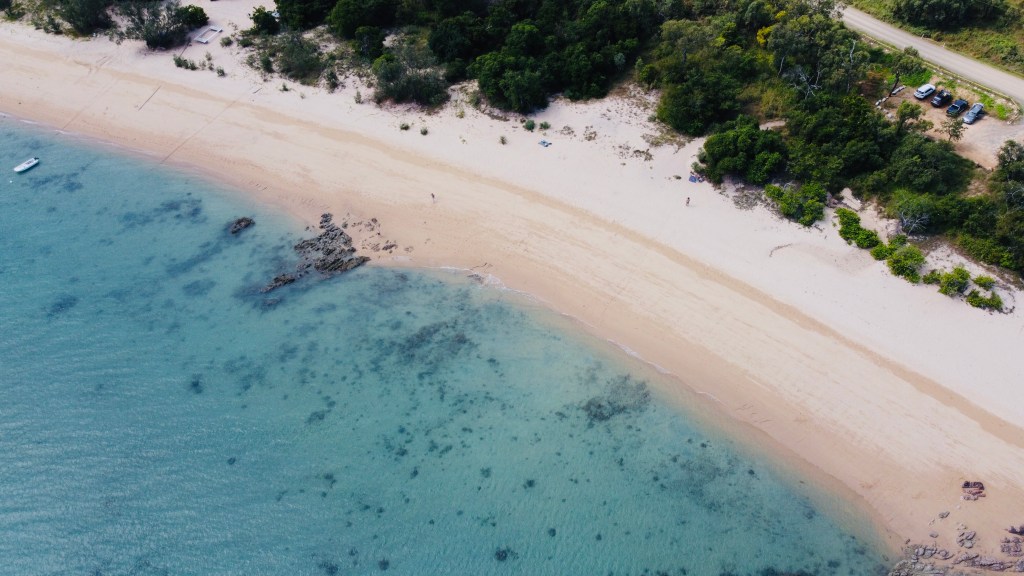
But, the highlight of the region for me was discovering Hydeaway Bay and Cape Gloucester. The beaches around here are beautiful at high tide. Now I’m not saying that they have that beautiful fine soft sand like the beaches of South East Queensland and Northern NSW, and if you like a bit of surf, then you are not going to get that either. If, however you like crystal clear, calm bays with warm tropical water gently lapping a sandy beach (even if the sand is a bit coarse and corally), then you will be in heaven.

Cape Gloucester
Hydeaway Bay

This beaches are also safe to swim at. Well, as safe as an Australian beach can be I suppose. Sure, there is a risk of stingers that can kill you if you are here October to April, and I’m sure there is the occasional shark in the water, but I’m pretty sure you are at more risk crossing the road, and there isn’t a lot of traffic around here. Like most beaches in North Queensland there isn’t any surf because of the reef and the islands, so you get mostly very calm water, so no big dumping waves, and no rips. And, as for the crocs, well, they don’t go for crystal clear water and sandy beaches, not really their thing. As long as you stay away from muddy rivers and estuaries then you are pretty unlikely to come across one of them.

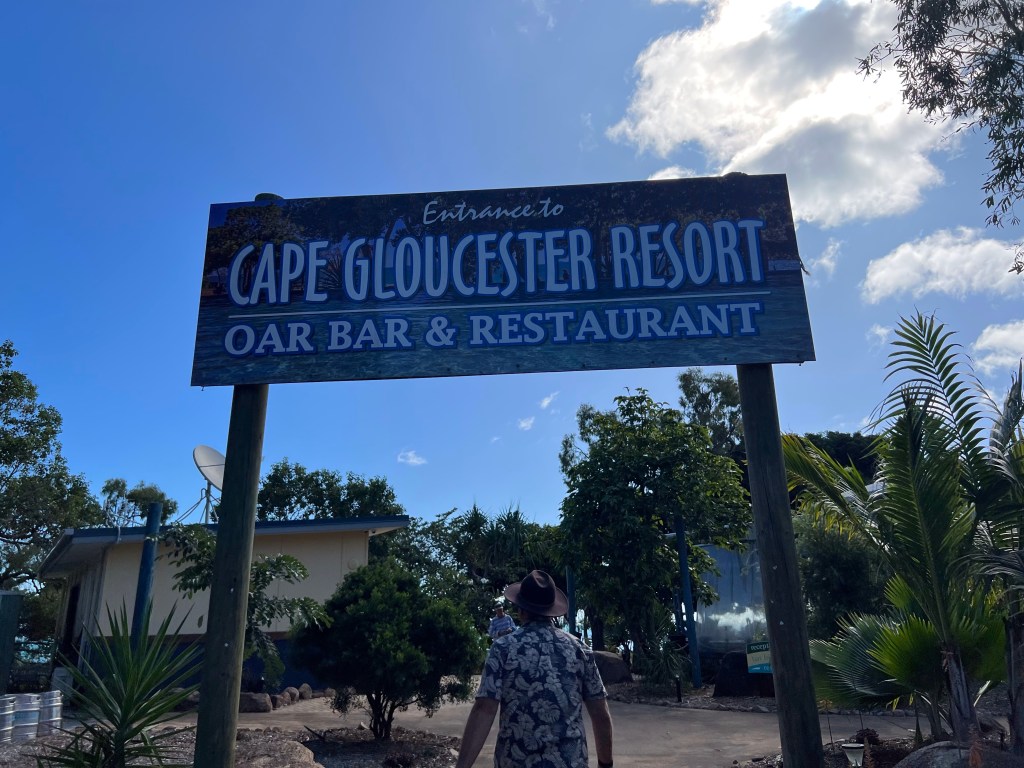
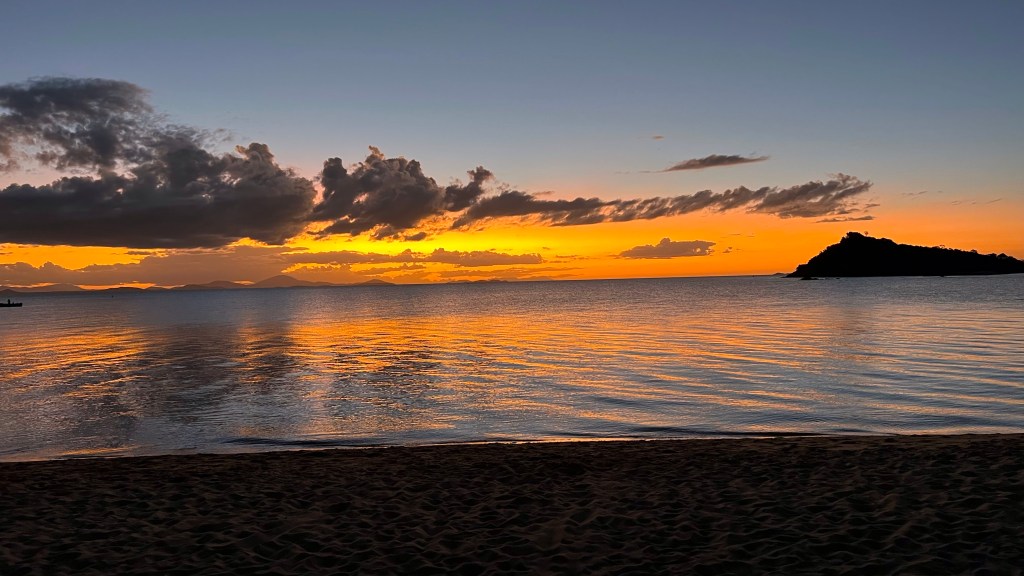
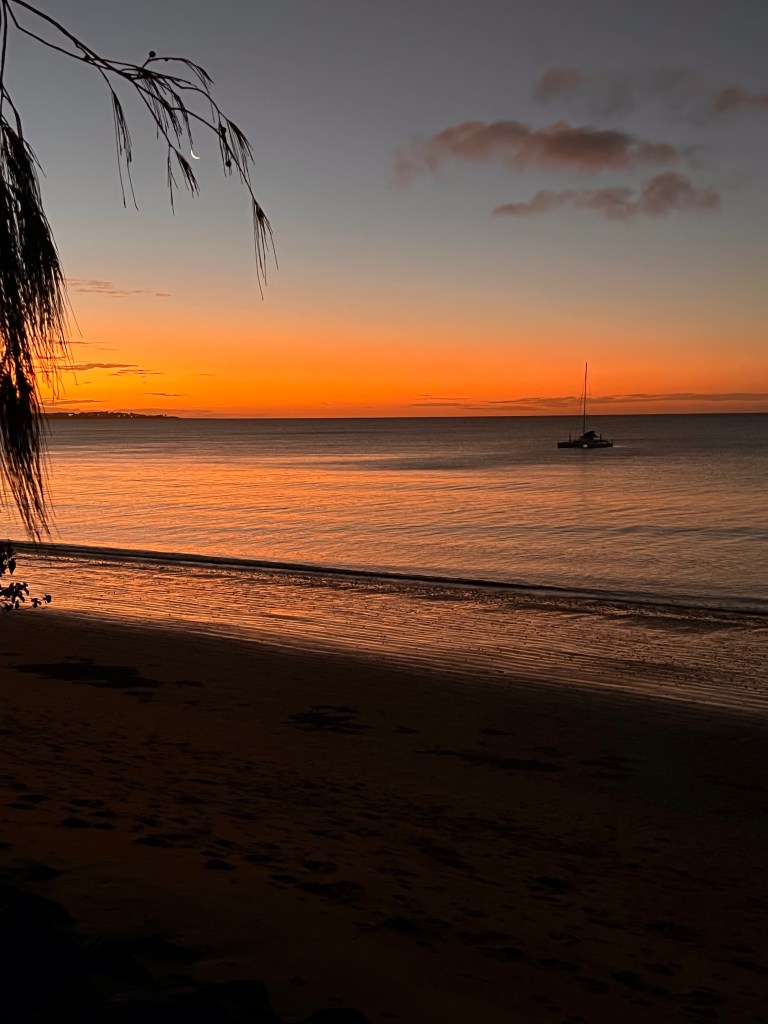
Sunsets over the water on the East coast generally aren’t a thing (obviously), so when you do come across a West facing beach, without having to go to an island, it is worth hanging around for sunset. Cape Gloucester has exactly that, and, it just happens to have a small resort with a beach bar where you can sit and have an evening drink while watching the sun dip below the horizon and set the sky alight with hues of red, orange and purple.

Nice place for a cold beer
Sunset at Cape Gloucester

We ended up staying at Hydeaway Bay caravan park for four nights, and we were there for the Friday night barefoot bowls and BBQ at the local bowls club just opposite the caravan park. Joined by Corey and Lisa (Notch Point survivors), who had turned up that day, we paid our $5 each and were entered into the bowls competition. We had no idea it was going to be serious high stakes bowls, with a first prize of a $10 bottle of wine and second prize of a bag of liquorice all sorts (which Ali had her eye on). After a bit of coaching from local bowls pro ‘Dot’, we were away. It was all a bit of a laugh really, especially after a few $5 glasses of Shiraz. The locals were all very friendly and welcoming and the burgers cooked up on the BBQ weren’t too bad either. And, at the end of the evening, my name was called and it turns out I scored enough points to win the liquorice all sorts! Great result. Must have been the wine, or perhaps Dot’s coaching, either way I’m not sure how the locals felt about some Pommie blow in who had no idea what he was doing taking out second prize.

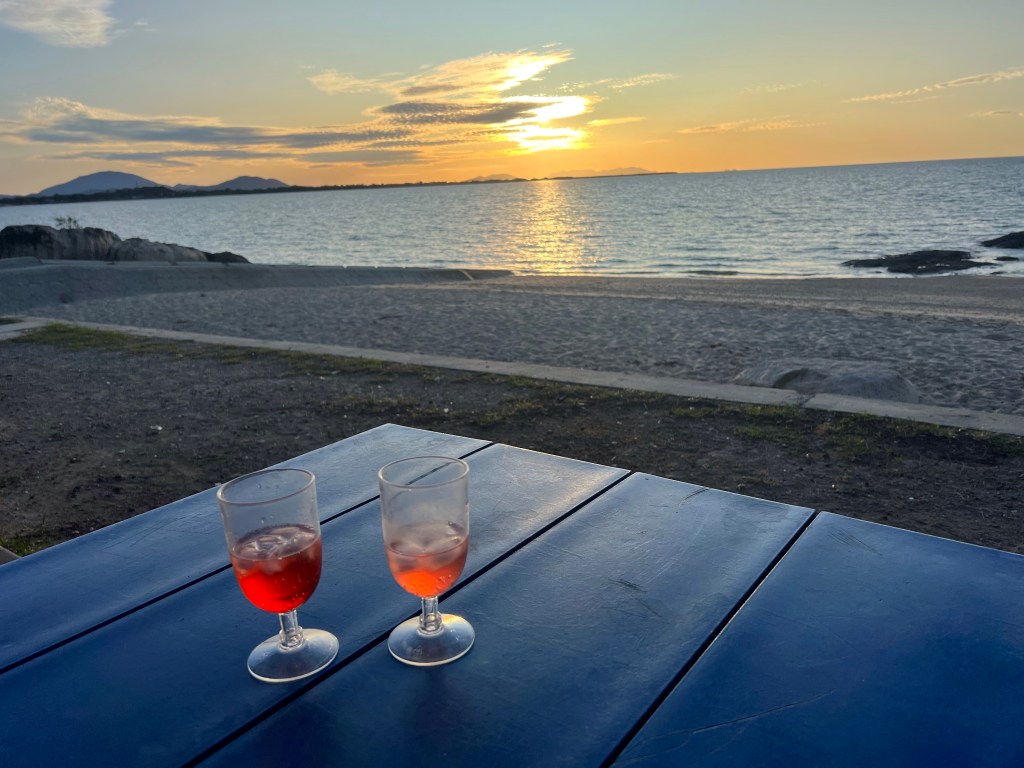
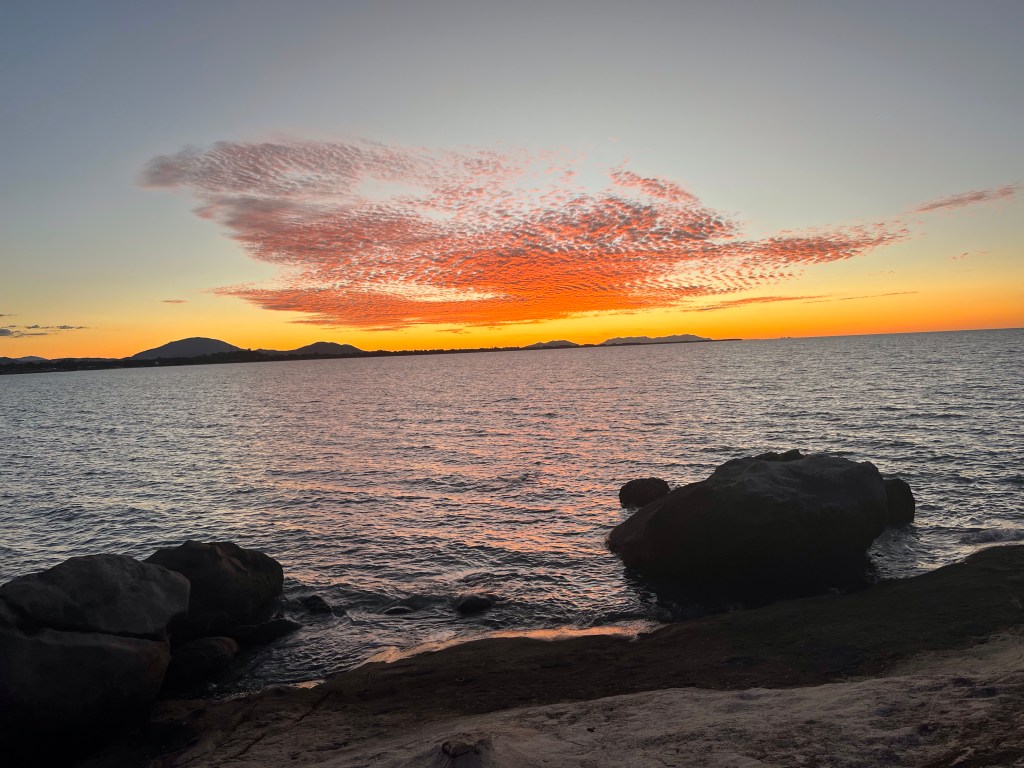
So, after being chased out of town the next morning (not really), we headed to Bowen. Not sure how, but Bowen is a little gem that we seemed to have missed for all these years. Situated right at the northern end of the Whitsundays region it also has some beautiful croc free beaches. Horseshoe Bay is the pick of the beaches. Swimable at both high and low tide and there is coral and plenty of colourful fish just a short swim out, so snorkelling at this beach is good and easily accessible. There is also a lovely cafe and the walk to some pretty impressive lookouts starts from here too. Bowen also boasts a West facing bay at Greys Beach, so sitting watching the sunset is an option. We did this twice, once with an Apperol sprits (or two), and the following evening we took a couple of steaks and cooked then up on the conveniently place fee BBQ’s. Lovely.

Aperol Spritz for two

Take my advice, next time you are in the Whitsundays, sure, get out to Hayman, Hamilton, Whitehaven beach etc. but try to make to time to check out what the mainland has to offer too, you might be surprised, I certainly was.

Sand, Mud and Four Wheel Drives

If ever you find yourself driving up the Queensland coast, somewhere a bit south of Mackay, and from the passenger seat, your significant other says, ‘let’s go camp at Notch Point’, take my advice, and don’t just go, ‘yeah OK then’.

As I write this, I am sitting in the van (Humfrey), in a howling gale and it has barely stopped raining all day. I do have an unobstructed view of waving palm trees and the Coral Sea out the window, but getting here was no easy task, and getting out may turn out to be impossible for a few more days yet.

In fairness, when Ali said, ‘let’s go to Notch Point’, she did send me some info to read. Had I actually read it I would have found out that getting there involved some pretty dodgy tracks, large pot holes, steep inclines and water hazards, all of which should be avoided in wet weather, especially if you are crazy enough to bring a caravan in here. Did I mention that it’s raining?

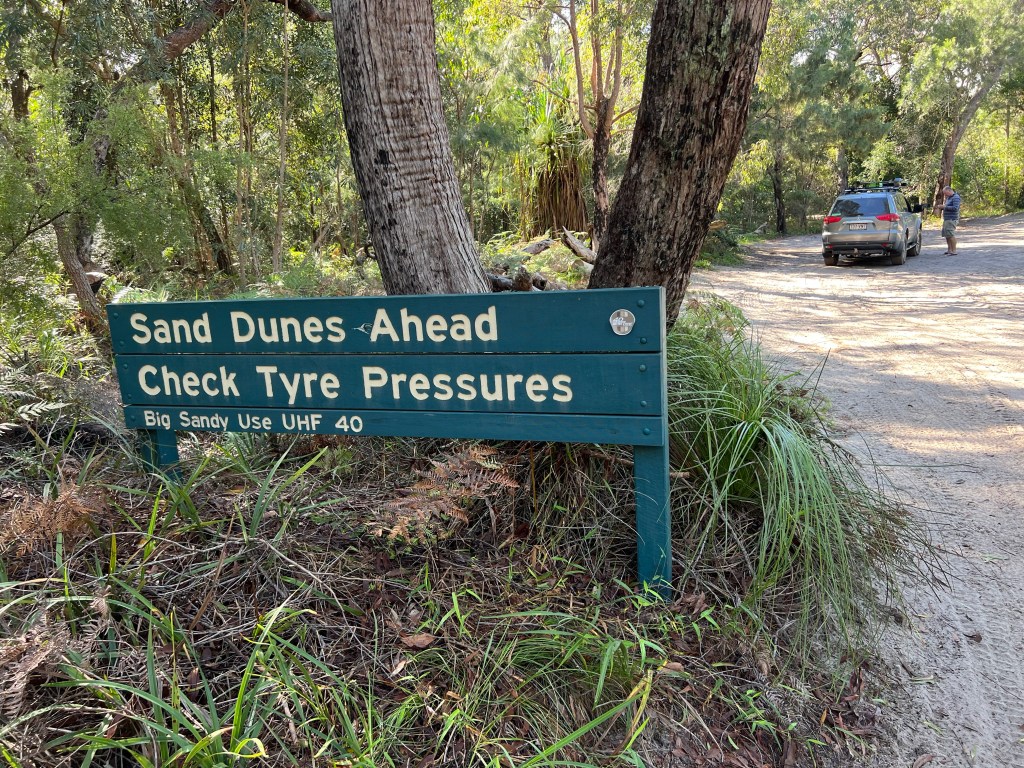
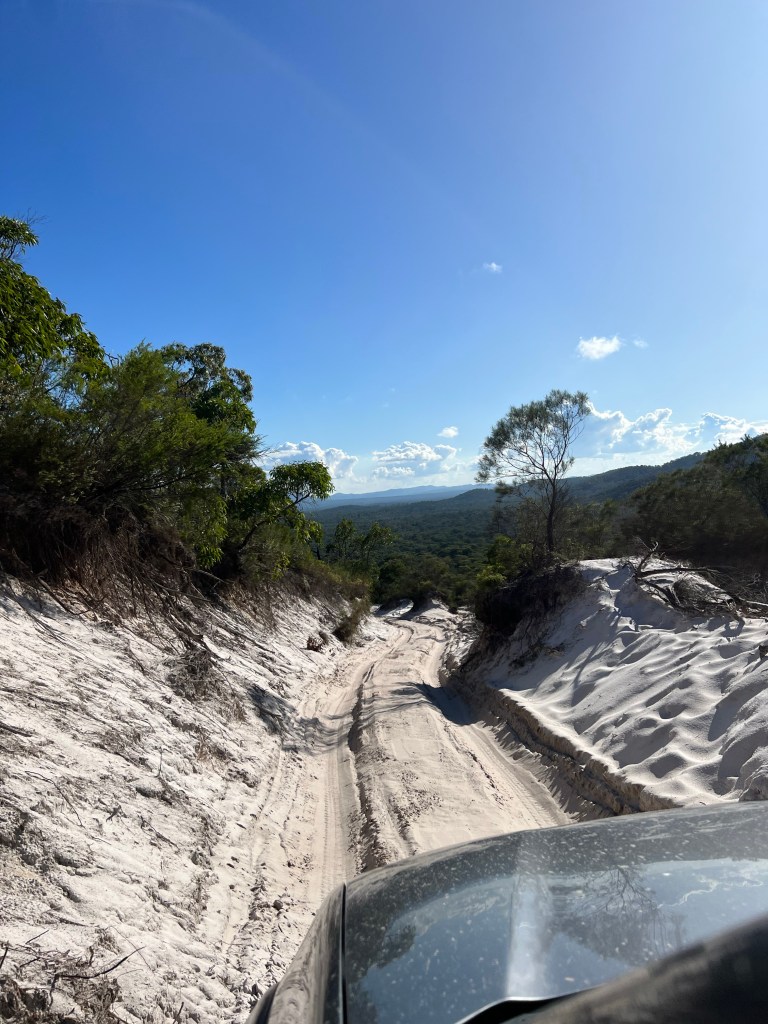
Now, Ali did mention that the track in might be a bit rough, but last time she said that, it turned out to be no big deal. From our previous camp at Upper Stony Creek we took a side trip into Byfield National Park. Apparently we had to ‘conquer’ Big Sandy, which is a very large and quite steep sand dune to get into the park. I was advised to let the tyres down to 15psi to get over this challenging obstacle. As it turned out, it was a bit of an anticlimax. Not Byfield itself, that was stunning, but Big Sandy was a bit of a pushover really and didn’t require much in the way of conquering.

The approach to Big Sandy
‘Conquering’ Big Sandy

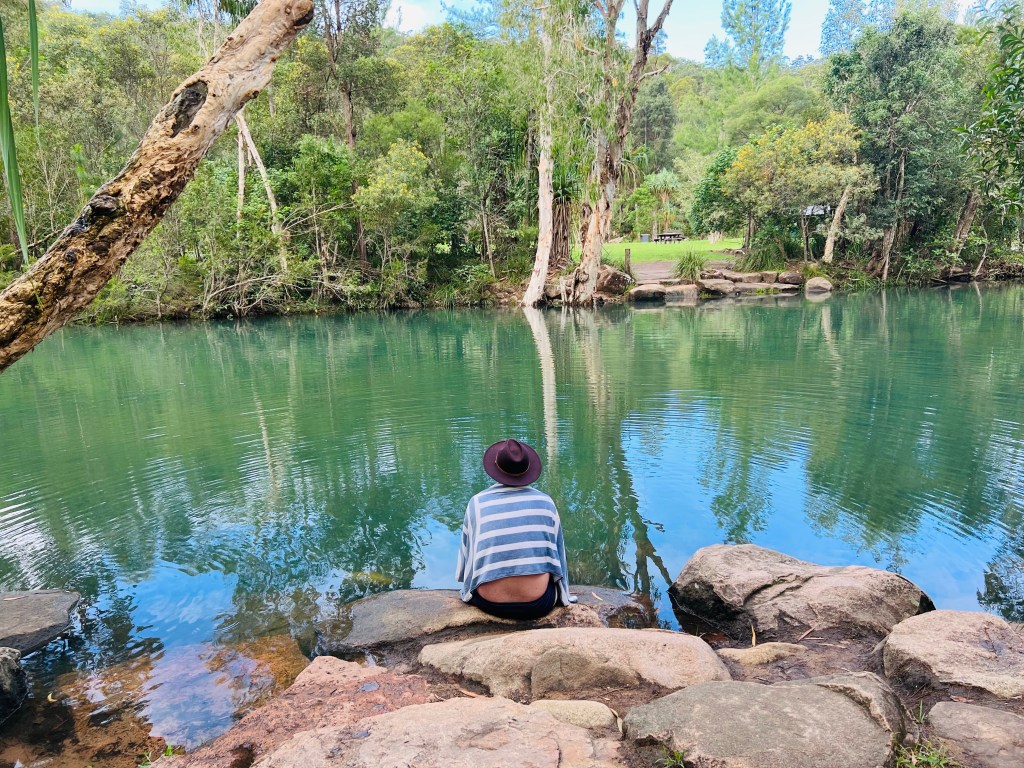
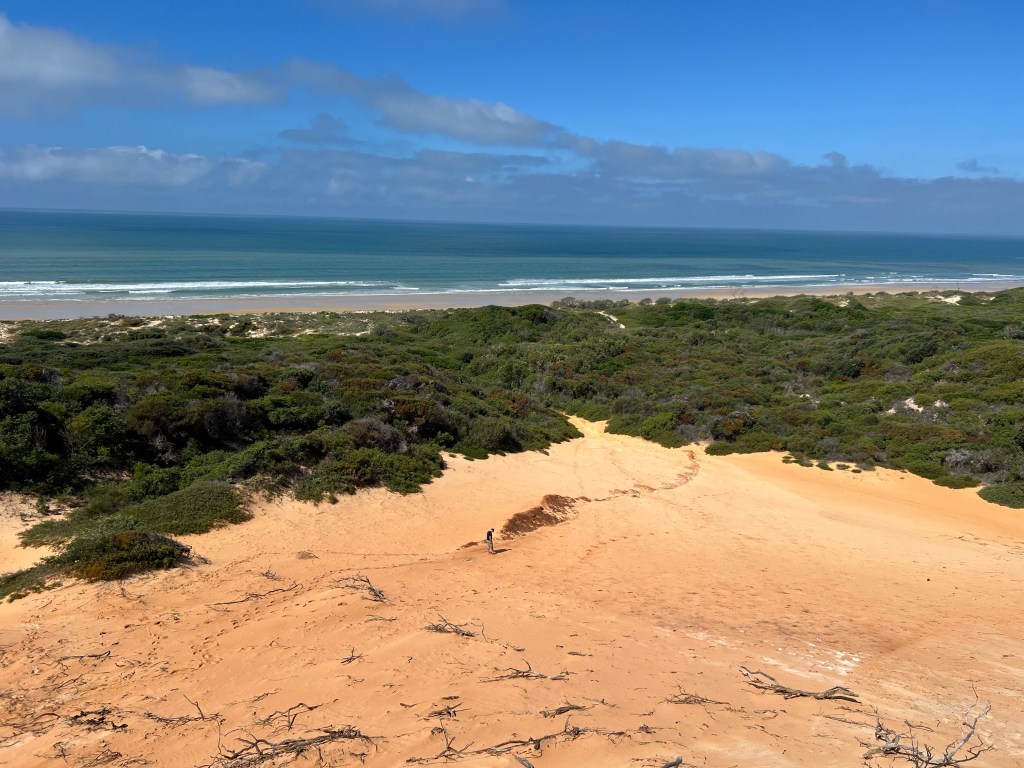
Unlike Notch Point, the weather at Byfield was stunning. We had an awesome day driving the sand tracks and nine mile beach, climbing the Orange Bowl sandblow, swimming in the clear waters of Freshwater Creek and exploring the headland at Stockyard Point. The campsite we had at Upper Stony Creek was also well worth the effort of getting there, and having the beautiful swimming hole there all to ourselves was a bonus.

But, back to Notch Point. When we arrived it wasn’t actually raining but the track in was quite wet. We negotiated some fairly large sections of water with no problem, until we came to one that looked fairly deep, but more of an issue, was the fact that it was pretty soft and slushy at the bottom. As it happens, there was a way around it, but I just had to back the van up a bush track for a little way to get around. No problem!

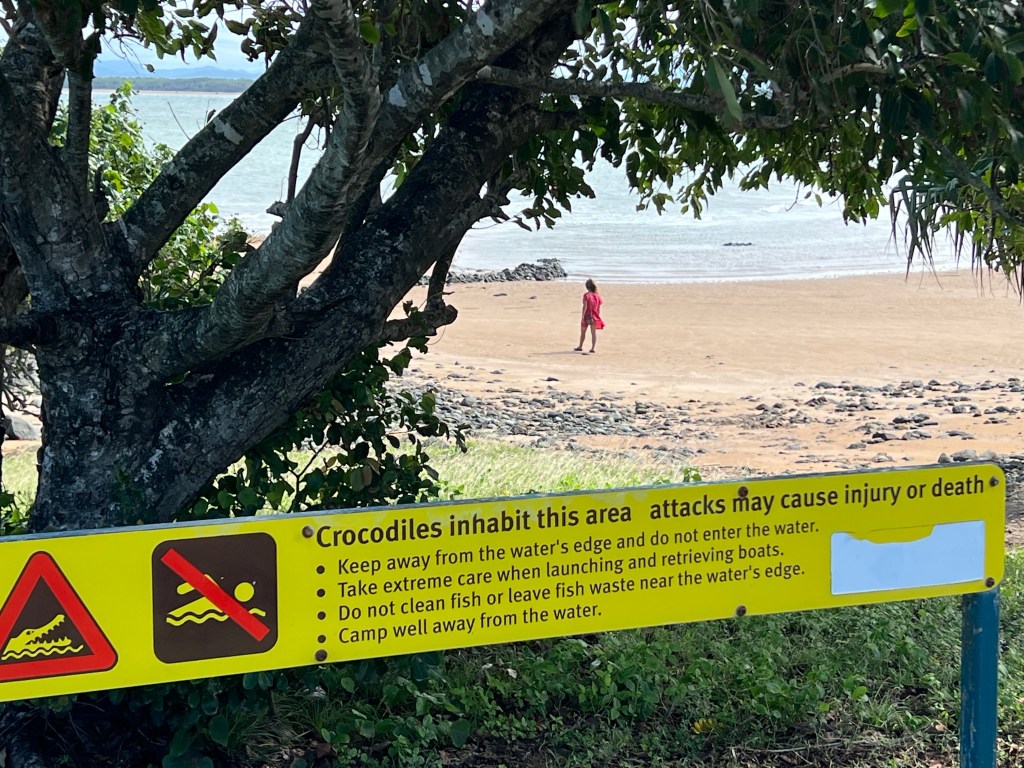
Once we started to see some other campers we parked up and took a bit of a walk to find a good spot. There are creek side spots that are apparently frequented by mozzies and crocs. Not keen on being bitten by either of those so we went looking for a beach front spot. The main disadvantage of the beach front spots though is that there is no shelter from the wind if it gets up, and oh my did it get up! As we walked over the hill to get to the beach side spots, the track in took a nosedive over the brow of the hill. Call me soft, but there was no way I was driving over that towing a van, and more to the point, I thought there was no way we would get back up it to get out. But, there were a couple of other caravans down there by the beach, so I asked someone with a bigger van than ours how they managed to get in there. Turns out there was another easier track that skirted around the edge of the hill. Easier is a relative term here though.

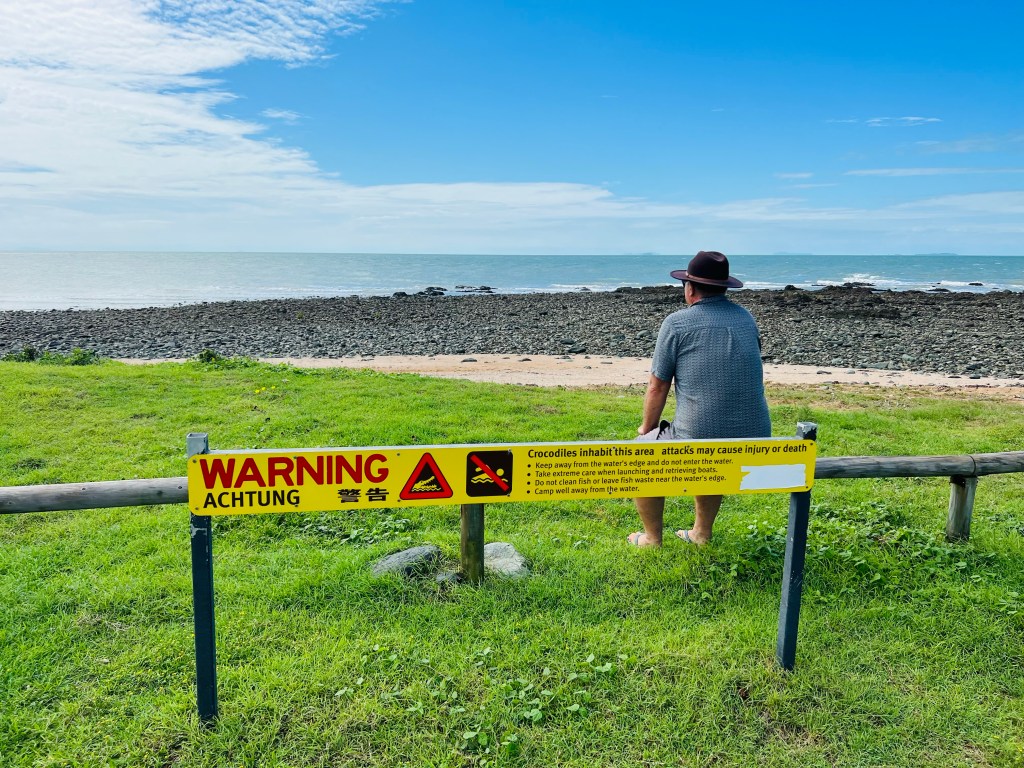
Croc bait
Not swimming there

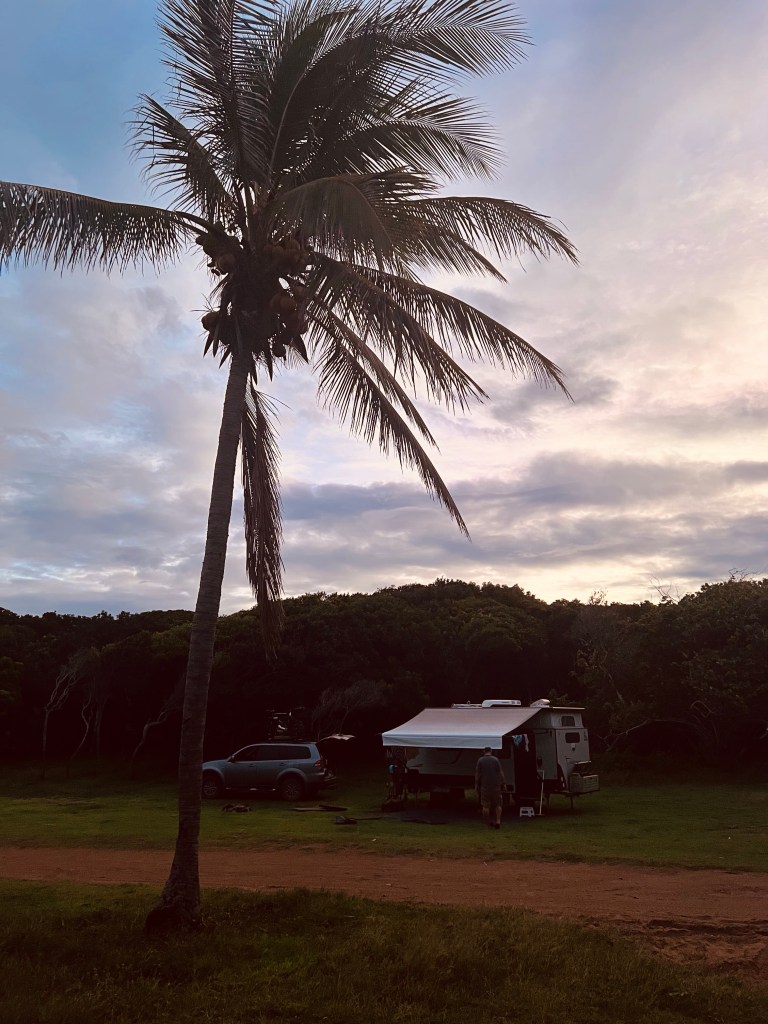
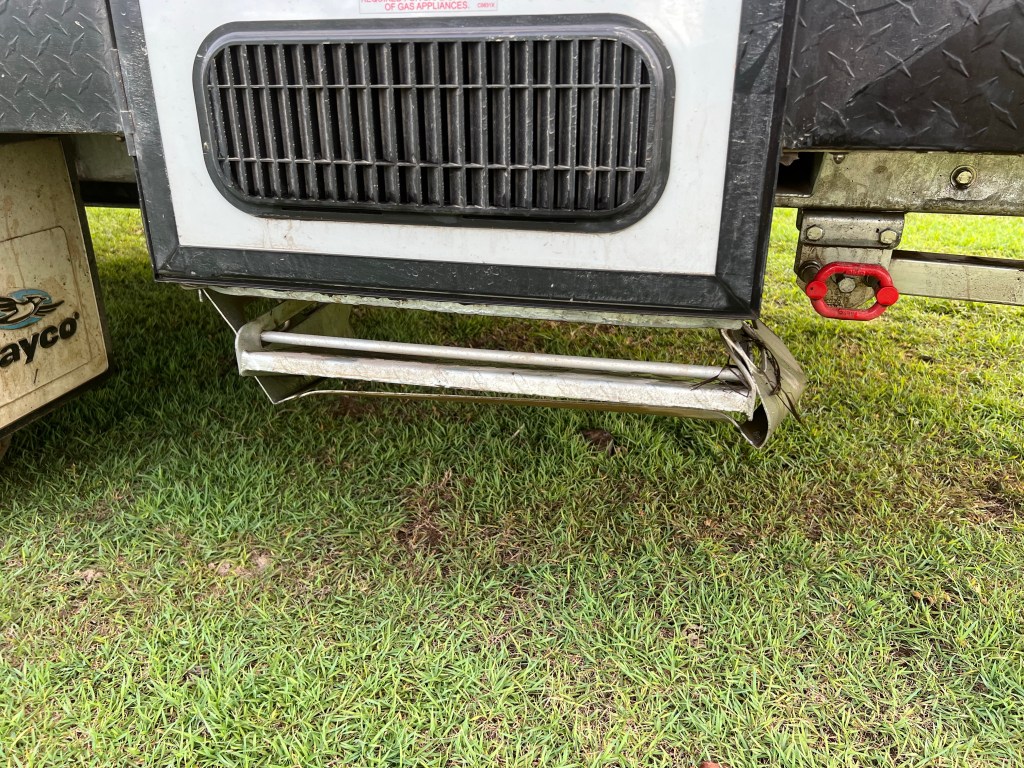
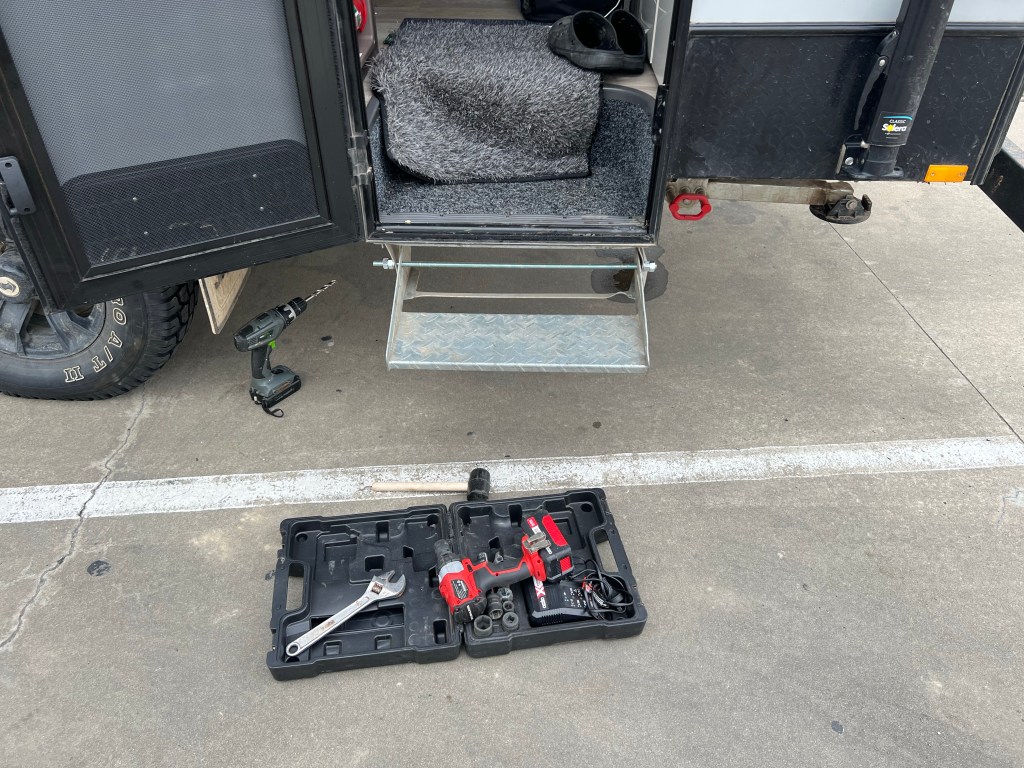
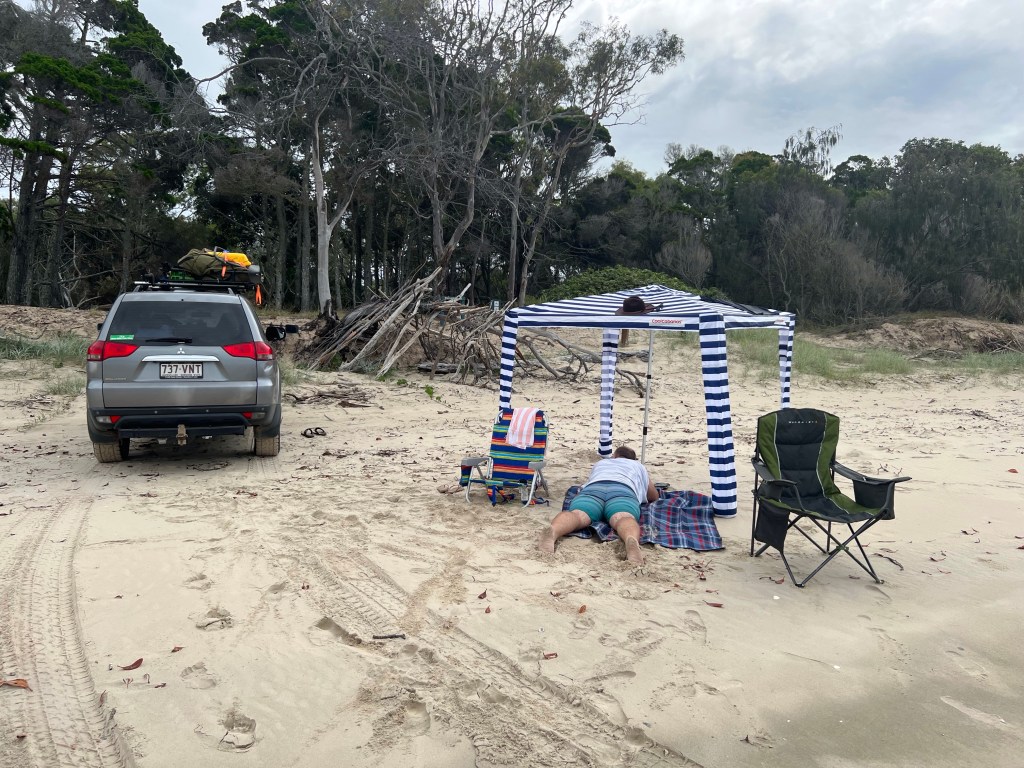
We did get in, found a lovely spot and set up camp. Only damage was a busted step into the van (an upturned milk crate was a suitable substitute), and a busted (but still working) trailer plug.

Before the wind and rain arrived
Busted step

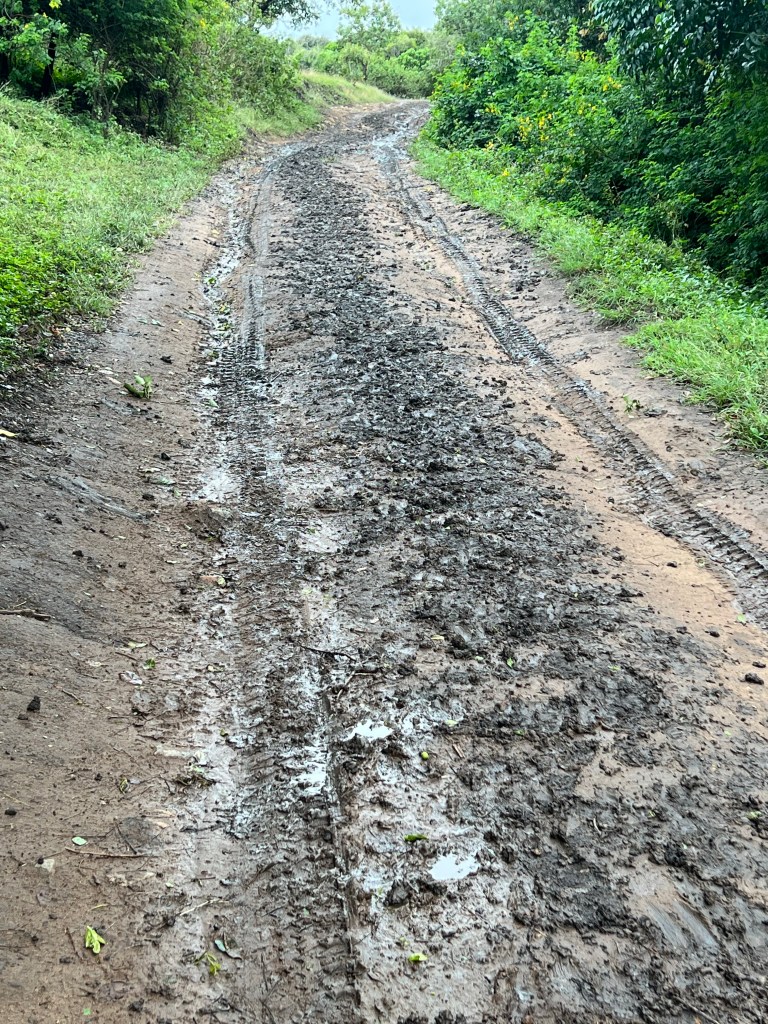
So, then on night one, the heavens opened and it rained, and rained pretty hard too. Next morning, the one useable track looked pretty soft and slushy, and the first caravan to try and leave didn’t make it. The van slid off the side of the track and got properly bogged. It took a winch, half a dozen blokes and twice as many spectators to eventually get them out. With more rain forecast over the coming days it seemed that was enough to scare most people off and after that there was a mass exodus up the slippery track and away.

After it was winched back into the track

As the sun was out by this time, we decided to stay, and the fact that the couple we had asked about the track in the previous day were also staying sealed the deal for us. Safety in numbers, as they say, and also knowing that if we got stuck until things dried out we would at least have some company.

Day one then turned out to be pretty nice. Day two, not so much, in fact it rained all day and then the Gail force winds set in. And that’s where we were when I started writing this post, and now a day later things are very different. No wind, no rain, and no longer at Notch Point. Yep, we got out, but it was an experience.

This morning, after surviving what felt like a cyclone – ok, maybe an exaggeration but it was pretty full on, the van was rocking all night and anything outside that wasn’t tied down was gone – the decision was made to get out before it got any worse. Our new friends Corey and Lisa (bigger van, safety in numbers), had an even worse night than us and they were all for attempting the slippery road to salvation rather that going through another night of that. So, by 10am we were packed up and ready to roll. A camper trailer left just before us and I made the mistake of watching them go up the track. I think would have rather not seen it. They were towing a fraction of the weight we have and they were sliding all over the place and barely made it, and Corey and Lisa were towing even more weight than us. I made the sensible decision not to share my thoughts on what I had just seen.

Wet and muddy up the hill

So, for the four wheel drive savvy, we let the tyres down a bit, engaged low range, engaged the diff locks, turned off the traction control and headed up the hill that claimed a caravan two days previously before it had been chewed up by the mass exodus and had another day and nights worth of rain dumped on it. Ali was too chicken to get in the vehicle, so she walked it.

Slipping and sliding

I went first, safely negotiated the section where the unlucky traveller had ended up in the ditch two days earlier, but nearly came unstuck (literally) further up the hill. The wheels were spinning, mud flying, and forward momentum wasn’t happening any more. After rolling back a few feet to find a patch that was a bit firmer I had another go. Engine revving and wheels spinning the good old Mitzi crawled its way over the brow of the hill…..just. Relief. Now Corey’s turn, and I reckon I made it harder for him by churning up the track even more than it was before. But, he made it too after some slipping and sliding.

Now, here I am, warm, dry, showered, fed and had a cold beer with just a small patch of grass to negotiate tomorrow morning before getting onto a proper bitumen road. Everyone made it out alive and a quick trip to Bunnings in Mackay to get some bits and the step is fixed, but, next time Ali picks a bush camping spot in wet weather I will be sure to do my own research first. Either that or say, ok, no worries, but you can drive in and out.

Fixed step

On the Road Again

It’s been over 2 years now since my last post, but we have once again quit work, hitched up and set off on a new adventure so I thought I might make a post or two.

A lot has happened since my last post (Laos I think). We have had fire, floods, pestilence (in the form of a global pandemic) and war. All sounds a bit biblical really. Aside from that, we have spent the last three years working, and for me, most of the last year has involved travelling to Cairns to work most weeks.

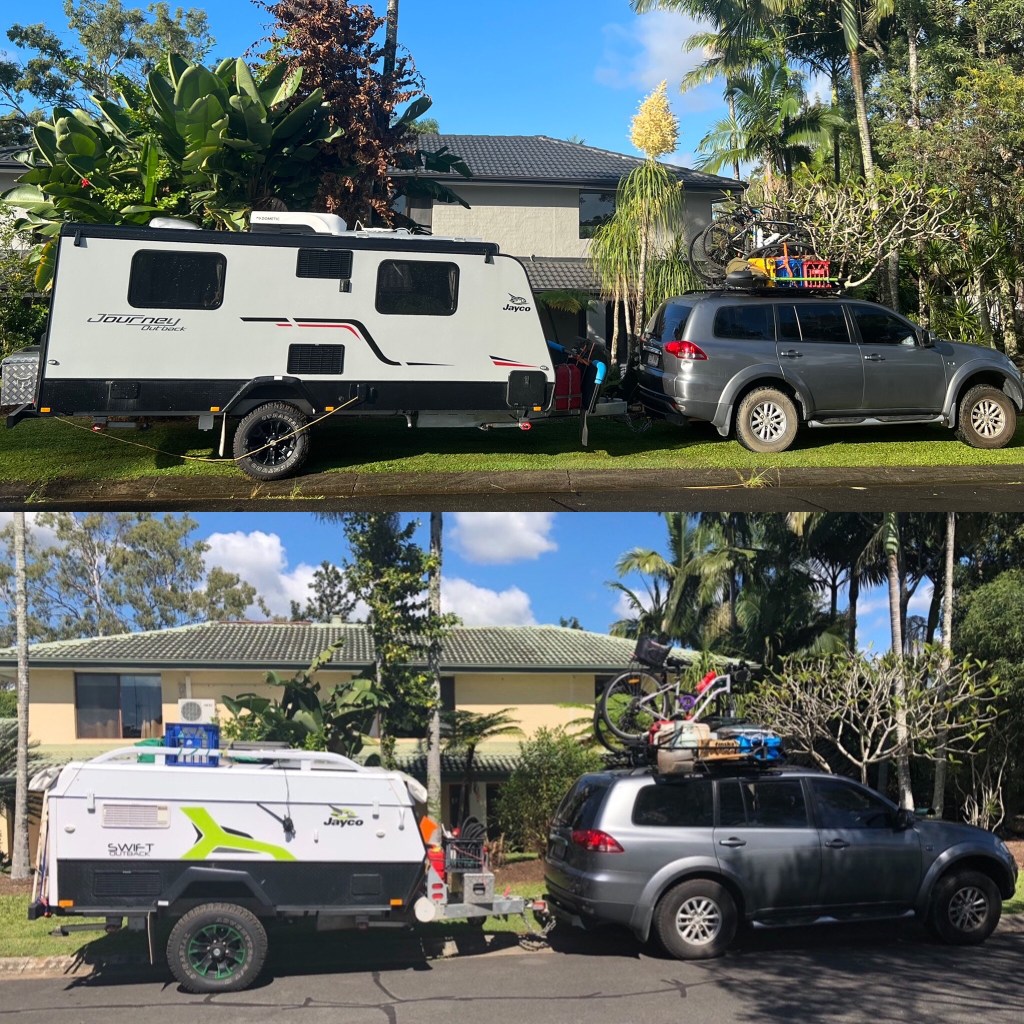
But, life is too short for all that working malarkey, and we made the sensible decision to buy a new caravan and clear off into the sunset. Yep, we got rid of Lucy! If you followed our 2018 trip you will know that Lucy was our little Jayco Swift camper thingie. Not quite a caravan but more than a camper trailer. Lucy probably got more use in the five years we had her that most would get in a lifetime. After travelling some pretty rough roads (I use the term ‘roads’ loosely), including the Plenty Highway, crossing the Tanami desert, the Gibb River Road, and possibly worst of all, the road up to Mitchell Falls in the Kimberly, Lucy took a bit of a hammering. I had to rebuild most of the cabinetry inside, and we could never get rid of all that red dust. But, one of the advantages of Covid was that the value of second hand cars, boats, bikes and caravans went up and so when we sold Lucy we got not much less than what we paid for her.

Now our new van is a proper caravan. A Jayco Journey Outback. And our destination for this trip is the northernmost point of Australia. The tip of Cape York Peninsula at the very top of Queensland. This will include several hundred K’s of dirt roads after the bitumen runs out somewhere north of Cooktown, so I am expecting my cabinet making skills to be called upon at some point. Hopefully ‘Humfrey’, will be as robust on the dirt tracks as Lucy was, but we will soon find out.

Humfrey in April 2022 and Lucy in April 2018.

We left home two weeks ago, but there is no major rush to get up to North Queensland to start the ‘cape’. The roads need to dry up a bit first and water levels in the creeks need to fall a bit before they can be safely crossed, so we are taking our time heading up the Queensland coast.

Today we are in a place called Mt Morgan, inland a little from Rockhampton which sits on the Tropic of Capricorn. We are actually trying to sit out a few days of forecast rain before heading into Byfield National Park which sits right on the coast. We are already in Croc country so not sure how safe the beaches are there, but I guess we will find out!

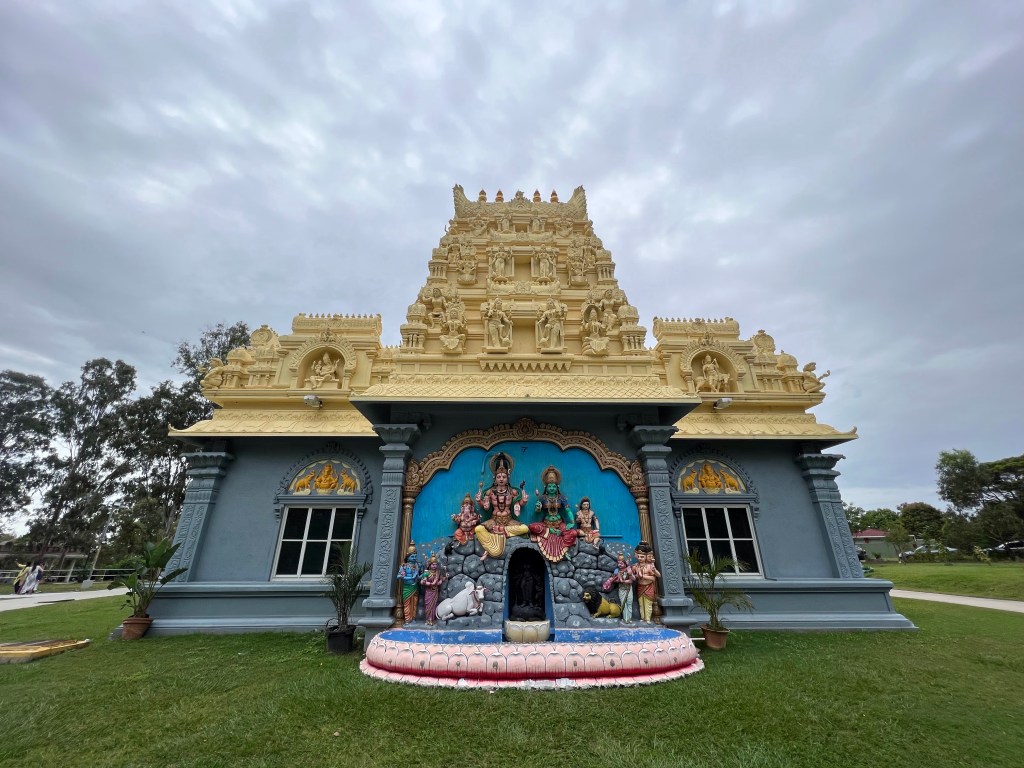
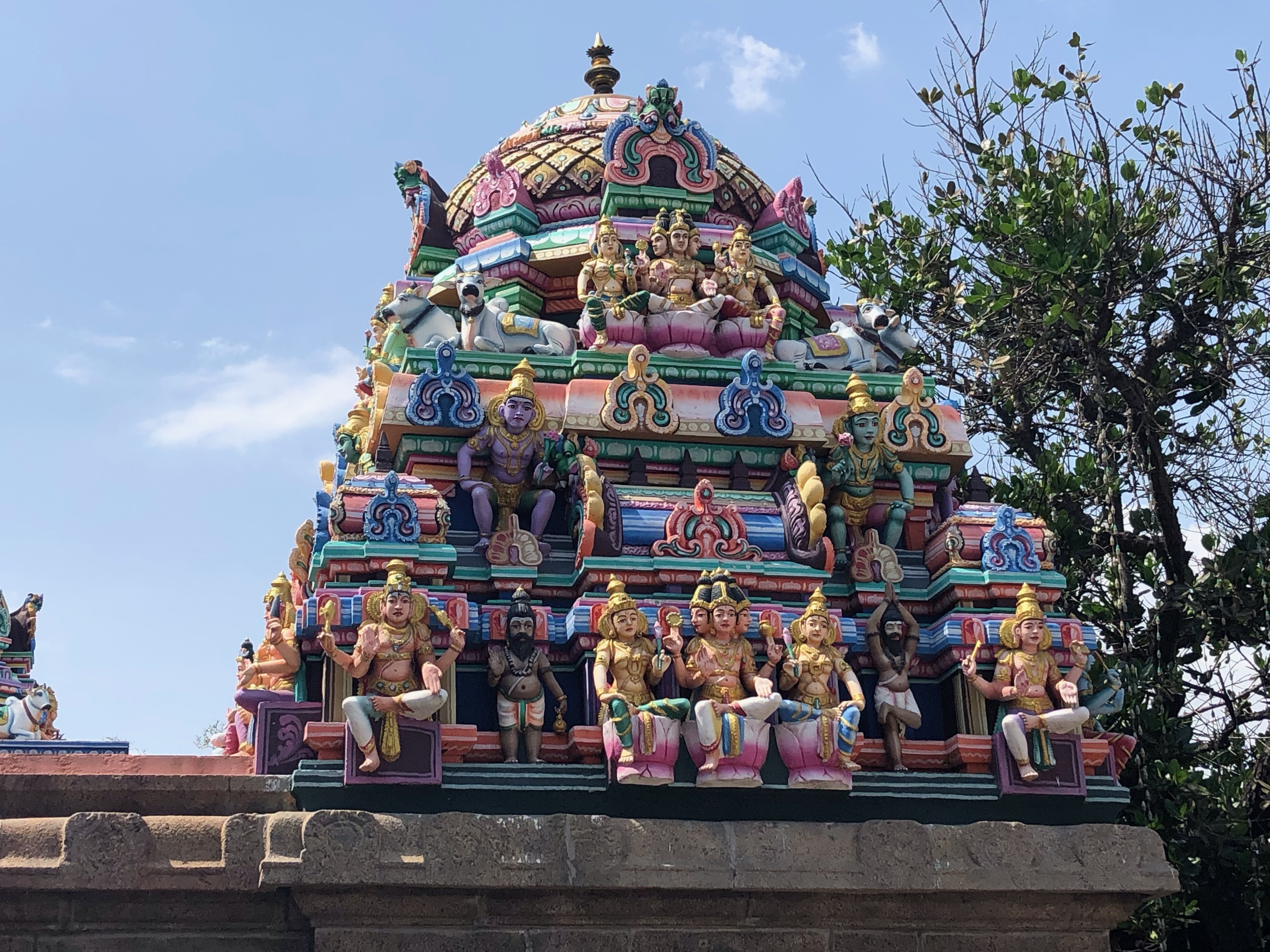
Our trip started with a music festival weekend just up the road from home at Canungra. From there, after a true South Indian breakfast at my favourite Hindu temple (yep, in South East Queensland, I love Indian food, see my post ‘the Kerala Express’), we headed to Hervey Bay for a few days, and then on to a little coastal town called Woodgate. This place was a regular summer holiday destination for us when our kids were little, and we actually spent a few Christmases here or times leading up to or just after Christmas. So, going there on this trip was a bit of nostalgia for us, and the last time we were there was about 8 years ago, even though our daughter Kate has rediscovered the place in adulthood and been there a couple of times in the past year.

The Hindu Temple at North Maclean
Woodgate Beach
Just chilling

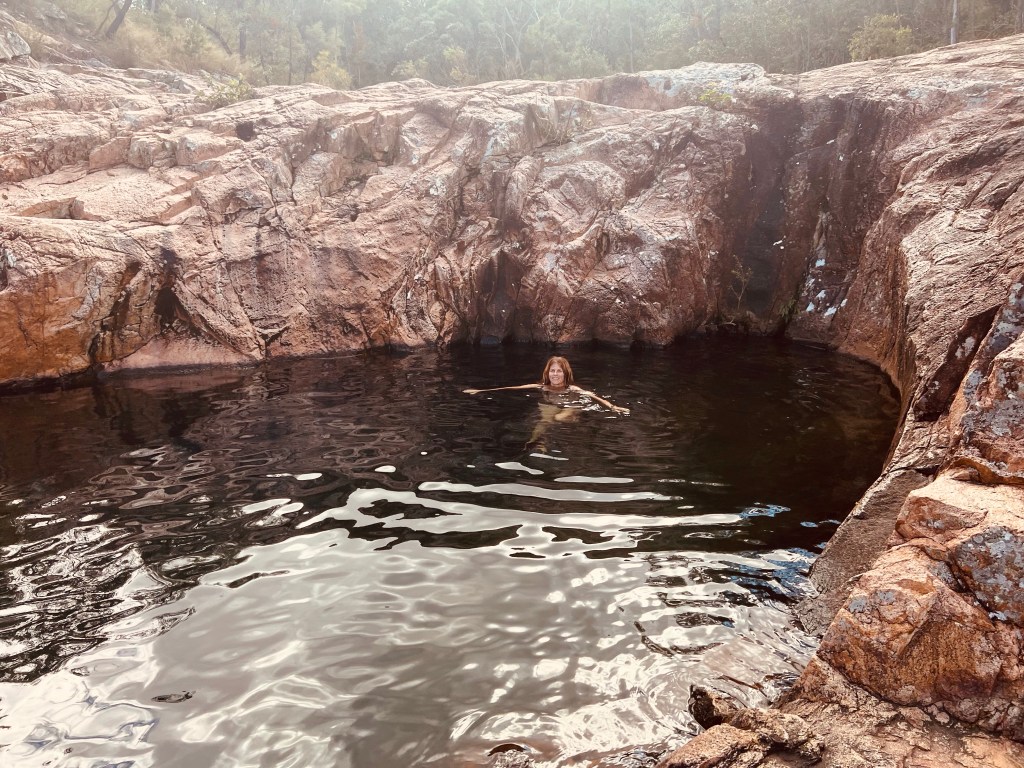
Along the way we have managed to squeeze in a few bike rides and a couple of good walks. We got up to the top of Mt Larcom that overlooks Gladstone; that was a tough walk; needed a massage after that one, and we found some beautiful rock pools called Utopia pools at Mt Walsh which was a great place to soak in the cool water for a while.

Utopia rock pools

As always we are trying to live on a bit of a budget so that we can travel for longer before needing to go back to work. I’m not sure how we will go with that this time around considering the fact the diesel is around $2.00 a litre and groceries are pretty steep too. More on that in a future post though.

Cooking dinner

The Greek Islands

I wanted to call this post ‘Don’t go to Santorini’, but that’s a bit harsh really. When Ali said that she wanted to go to Santorini I was like ‘really? Over 200 inhabited islands to choose from and you want to go the busiest, most touristy island of them all’. So, following the principle of ‘happy wife, happy life’, we went to Santorini.

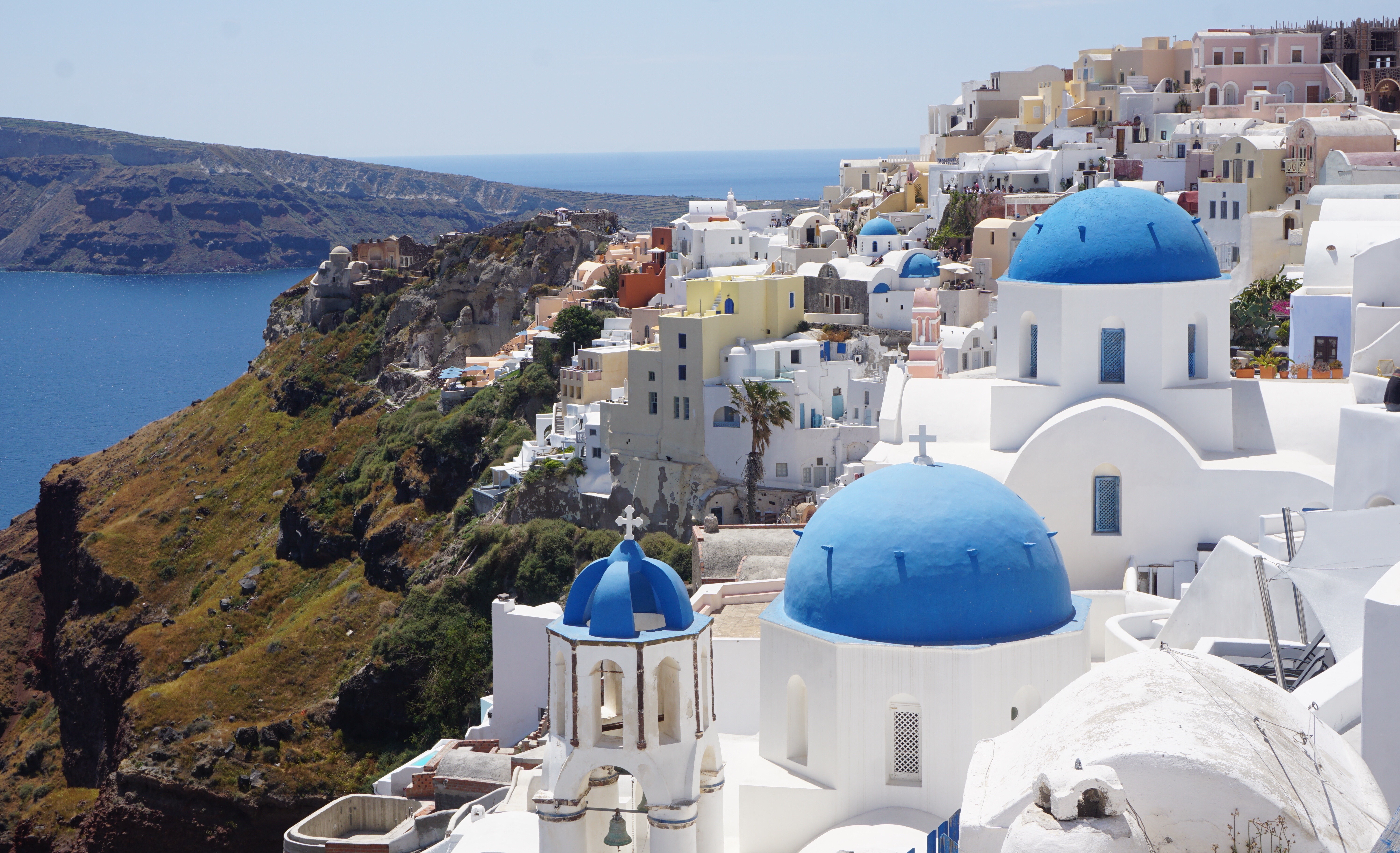
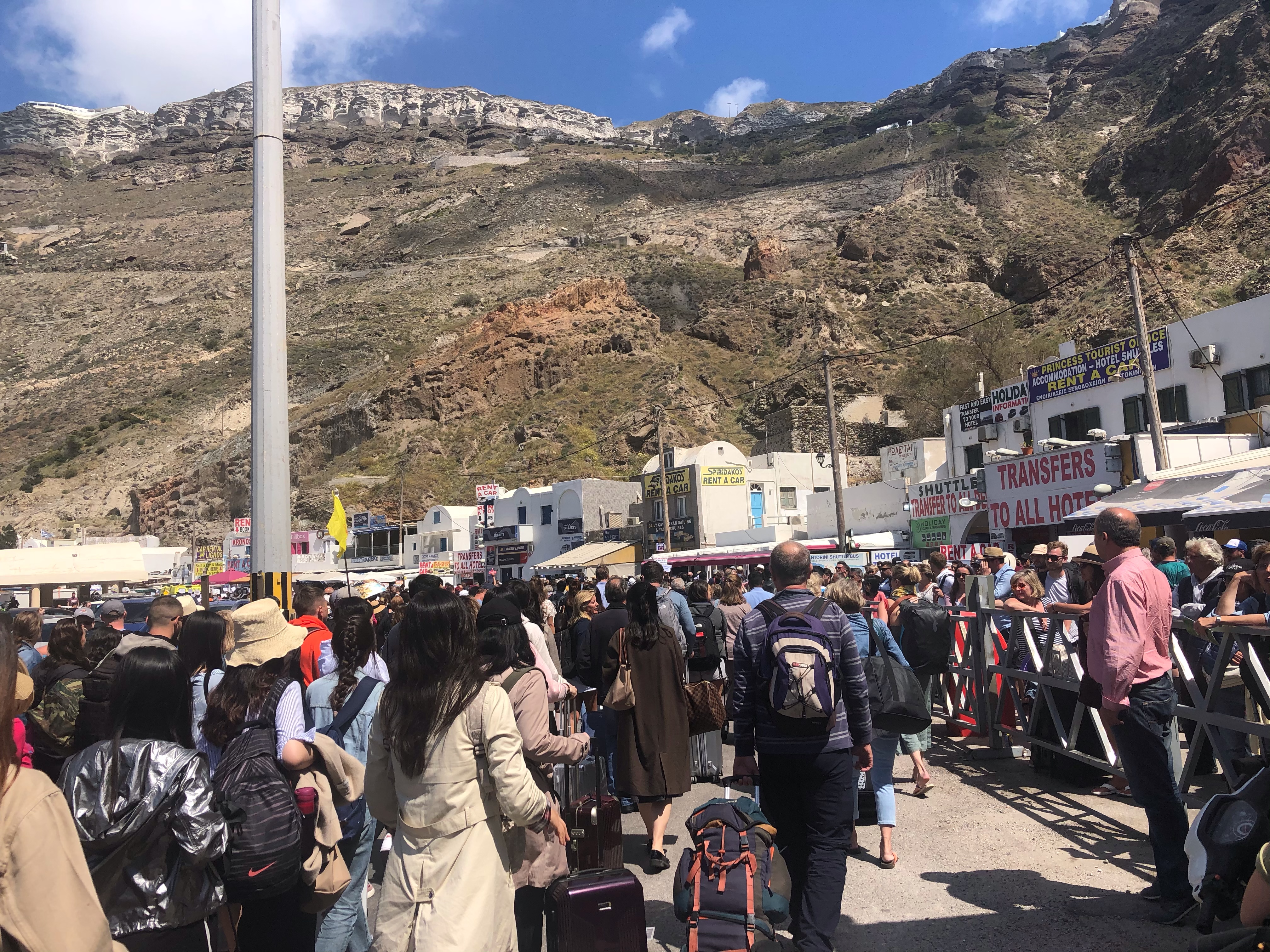
Look, don’t get me wrong, Santorini is a beautiful island, but I was under the impression that everything that it has to offer is available by visiting a handful of the other islands, preferably ones that don’t have up to four cruise liners a day disgorging thousands of selfie stick wielding tourists all jostling for position to get the perfect sunset selfie or one of the blue domes. Not really my thing I’m afraid. On the subject of blue domes, I’m sure everyone has seen those iconic Santorini pictures of the white buildings and blue domed churches, that look beautiful. Well, they do look beautiful in real life, if you can fight past the crowds to get a good view that is. But, my point really is that those blue domes are pretty much everywhere in Greece, and there are plenty of much more peaceful islands where you can admire them in solitude and tranquility.

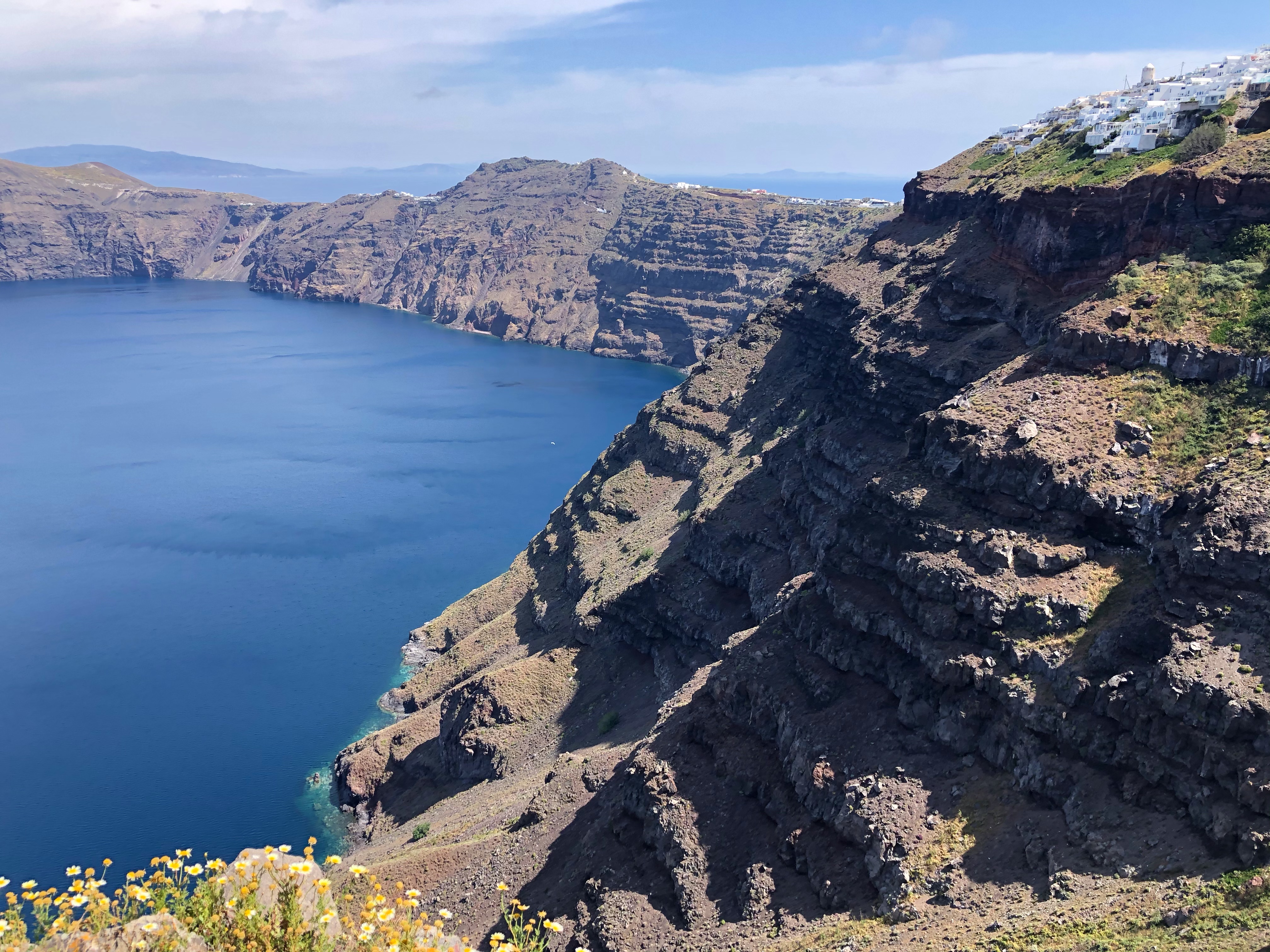
Ok, ok, Santorini isn’t all bad, and I don’t mean to sound like a grumpy old man. The walk from Thira to Oia along the caldera is stunning, and the view from the top of Skyros rock along the way is spectacular. I had the top of the rock to myself though as few people seem to make the effort to get to the top, which made it all the more special. And one of my favourite moments of the whole trip happened on Santorini. Ali likes to remind me of that but I contend that this could have happened in any Greek village anywhere. Let me explain. It is possible to escape the crowds, souvenir shops, overpriced restaurants, traffic, mistreated donkeys etc. on Santorini if you rent a scooter and seek out a few of the small villages where some semblance of traditional Greek life actually still goes on. Well, whilst in one of these villages on a Sunday morning we found the locals at church, with a marching band waiting outside. We wandered up to the top of the hill where another whitewashed blue domed church stood that you could actually stand on top of, which we did, on our own. And then the church bells of the other two churches in the village started up (there are more churches than you can poke a stick at, and blue domes abound). We stood there, no tourists, no selfie sticks, it was beautiful. When the bells stopped and we came down the locals were all outside their church sharing food and drinking wine. Beautiful.
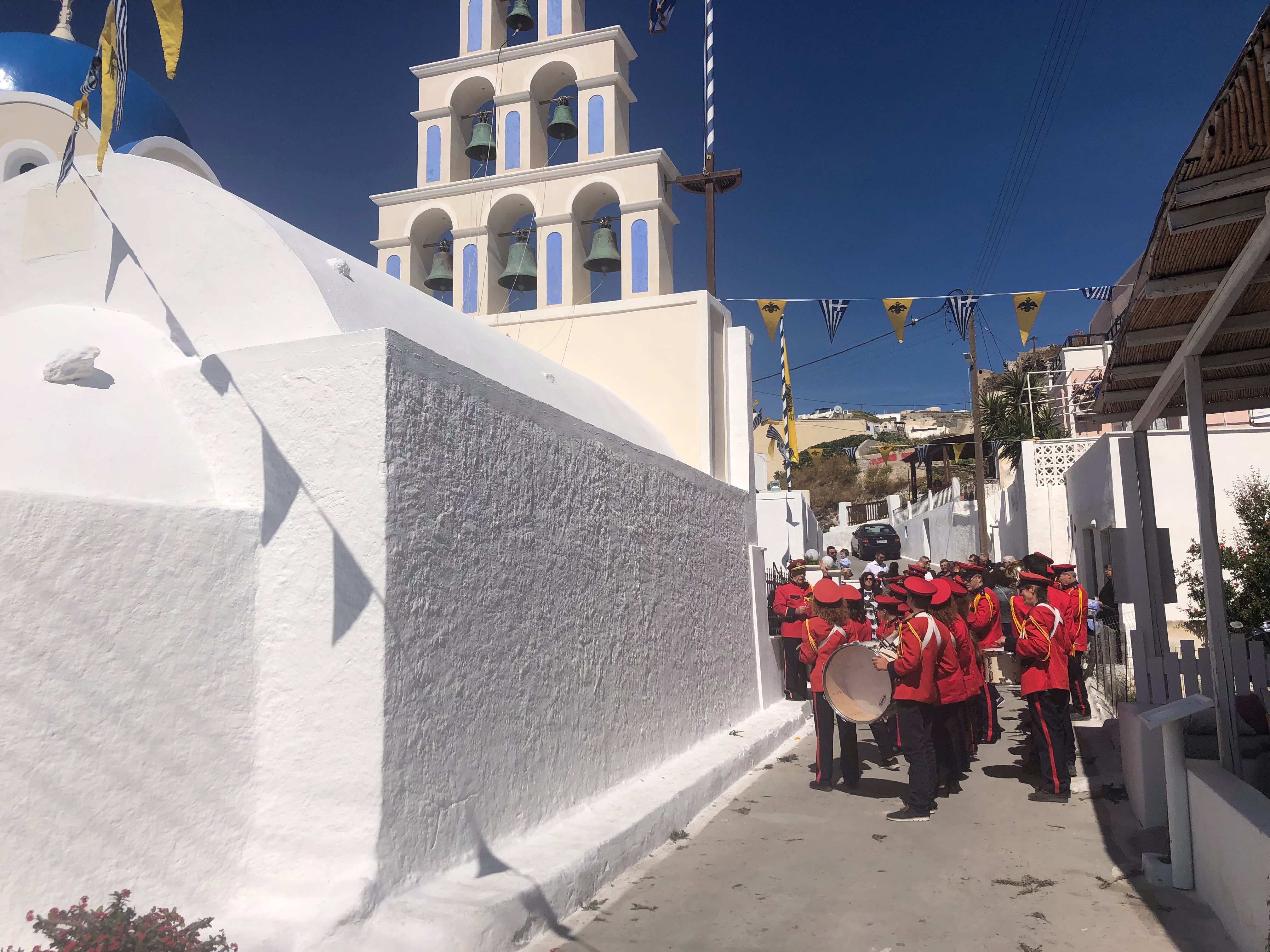
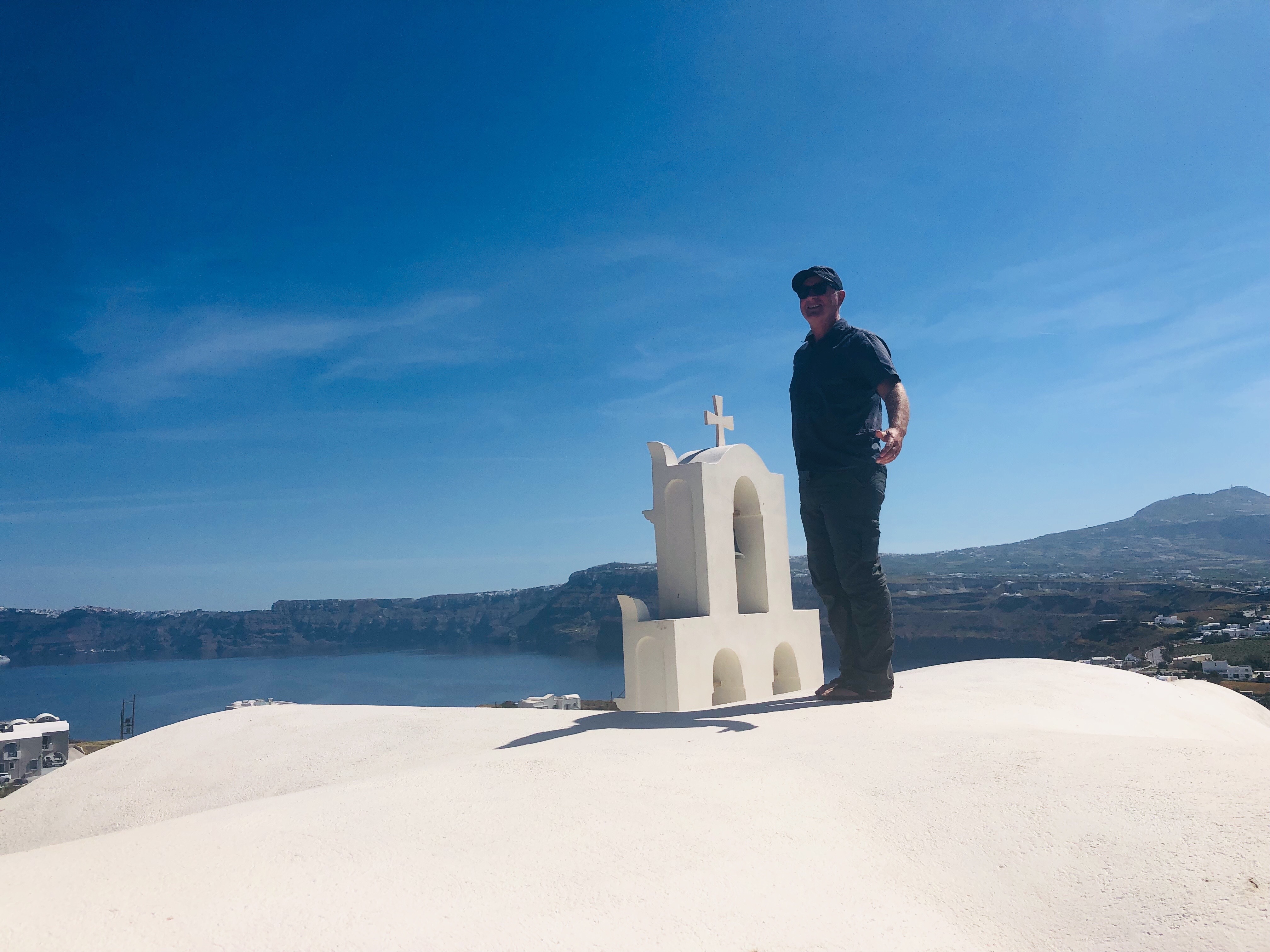
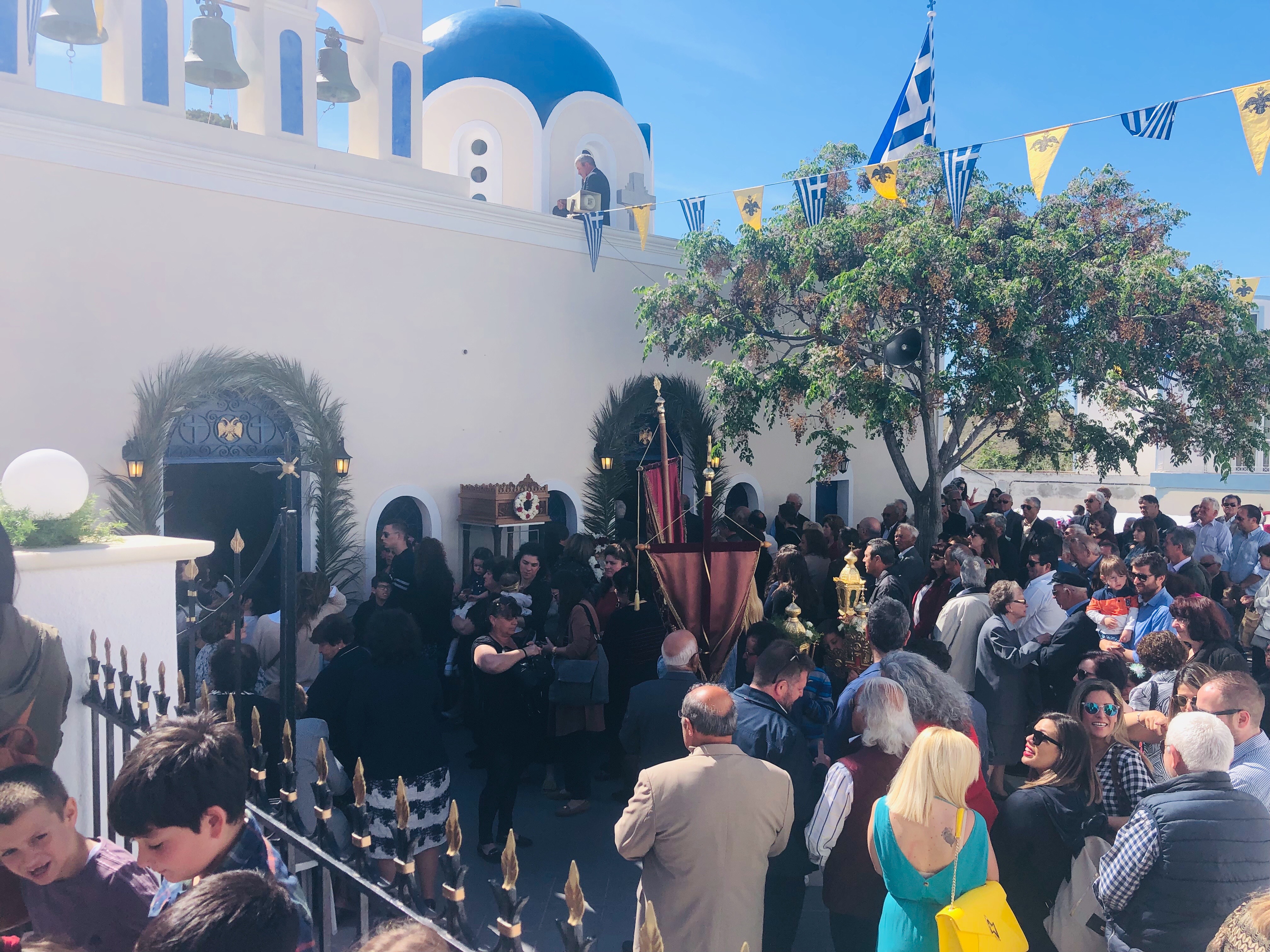
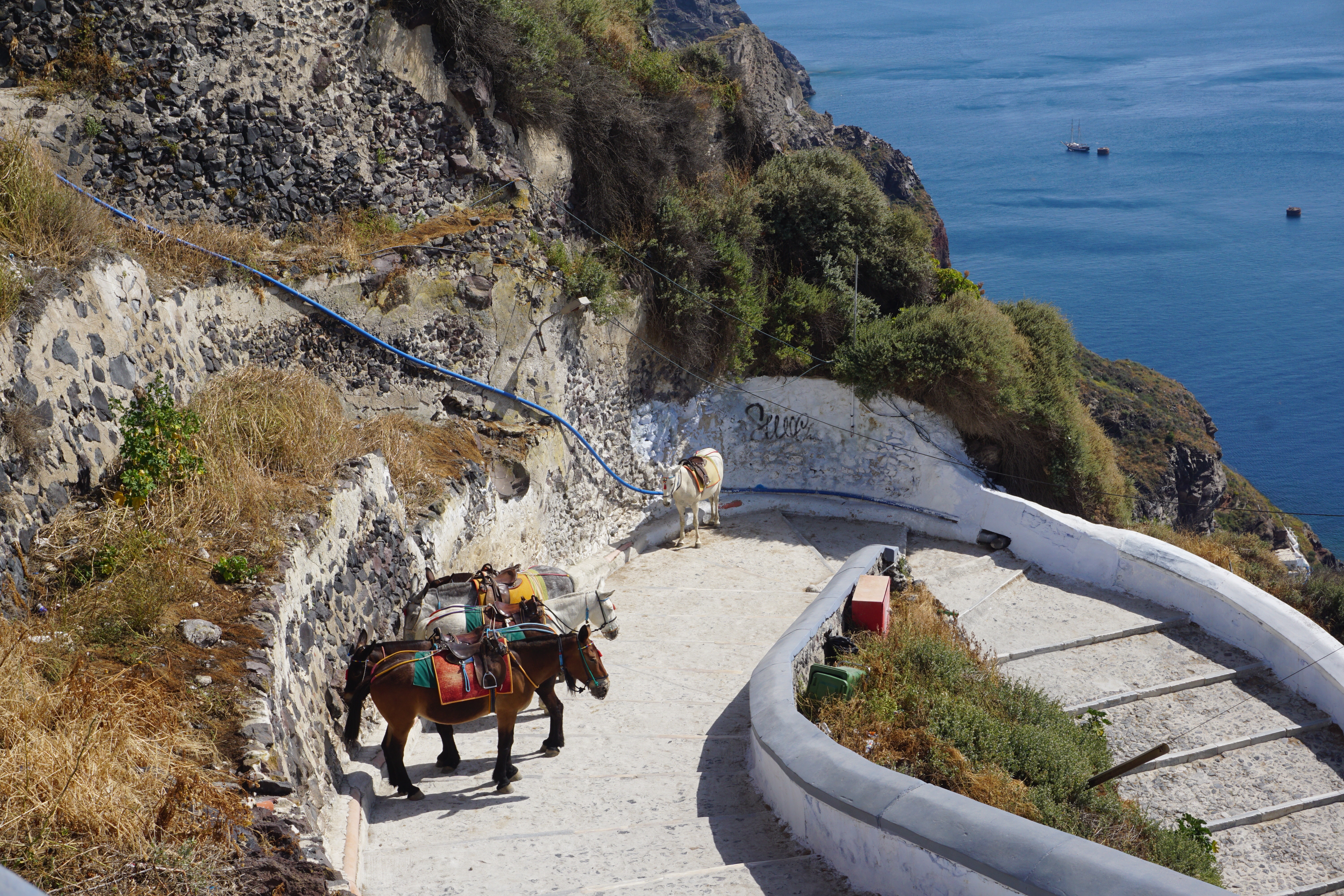
Alright, my last rant on Santorini and then I will move on to more tranquil and peaceful things. The Donkeys, poor things. We walked to the bottom of the cliff at Thira where the cruise ship passengers disembark (no cruise ships there that day), down the steps, all 588 of them. It was a relatively quiet day, but there were still a few donkeys walking up carrying tourists back up to town but I couldn’t help noticing there was no water for the donkeys and one in particular looked a bit distressed. So I couldn’t help doing a little bit of googling to find out more about them. Turns out that animal rights activists are up in arms about the way the donkeys are treated. They are made to do the trek up and down 6-7 times a day with someone on their back and apparently it has got so bad now that even some of the cruise ships are encouraging their passengers not to use the donkeys. There is a cable car, same price, or you can walk, but it is a tough climb.

Interestingly when you talk to Greeks on other islands about Santorini you always get a bit of an eye roll and a shake of the head. One lady described it as ‘poor poor Santorini’. A victim of its own stunning beauty. She told me that the locals have had enough (I’m sure those making lots of money are ok with it), and that the government is now starting to cap tourist numbers.

After three days on Santorini we got a ferry to Folegandros (best thing to come out of Santorini). As we sailed out, we passed three cruise ships coming in for the day. Good timing. As we disembarked on Folegandros with the three other people and one bicycle I felt the peace returning to my body and soul that had vanished the moment we arrived on Santorini and disembarked with the thousands of people, buses, cars, etc.

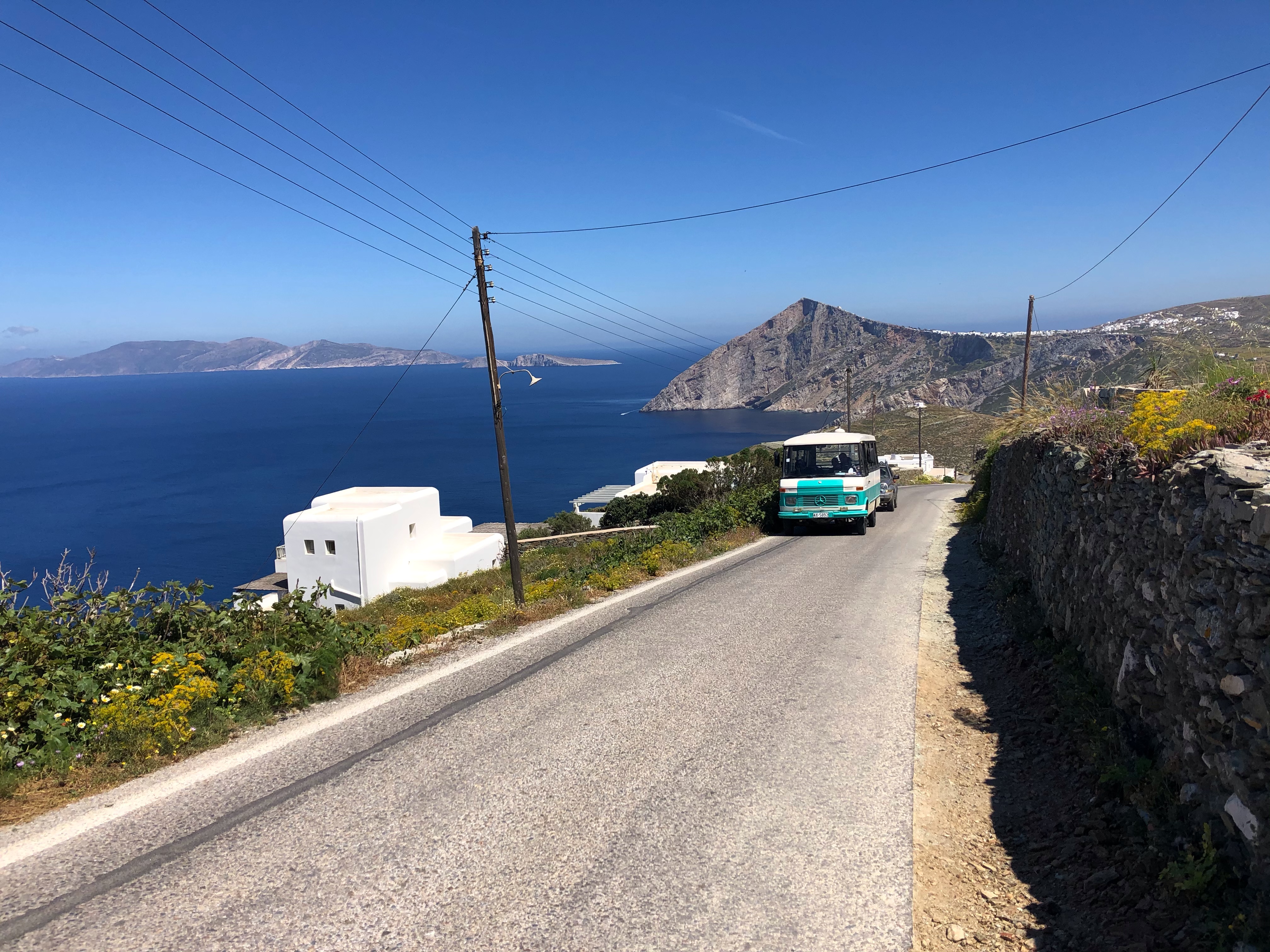
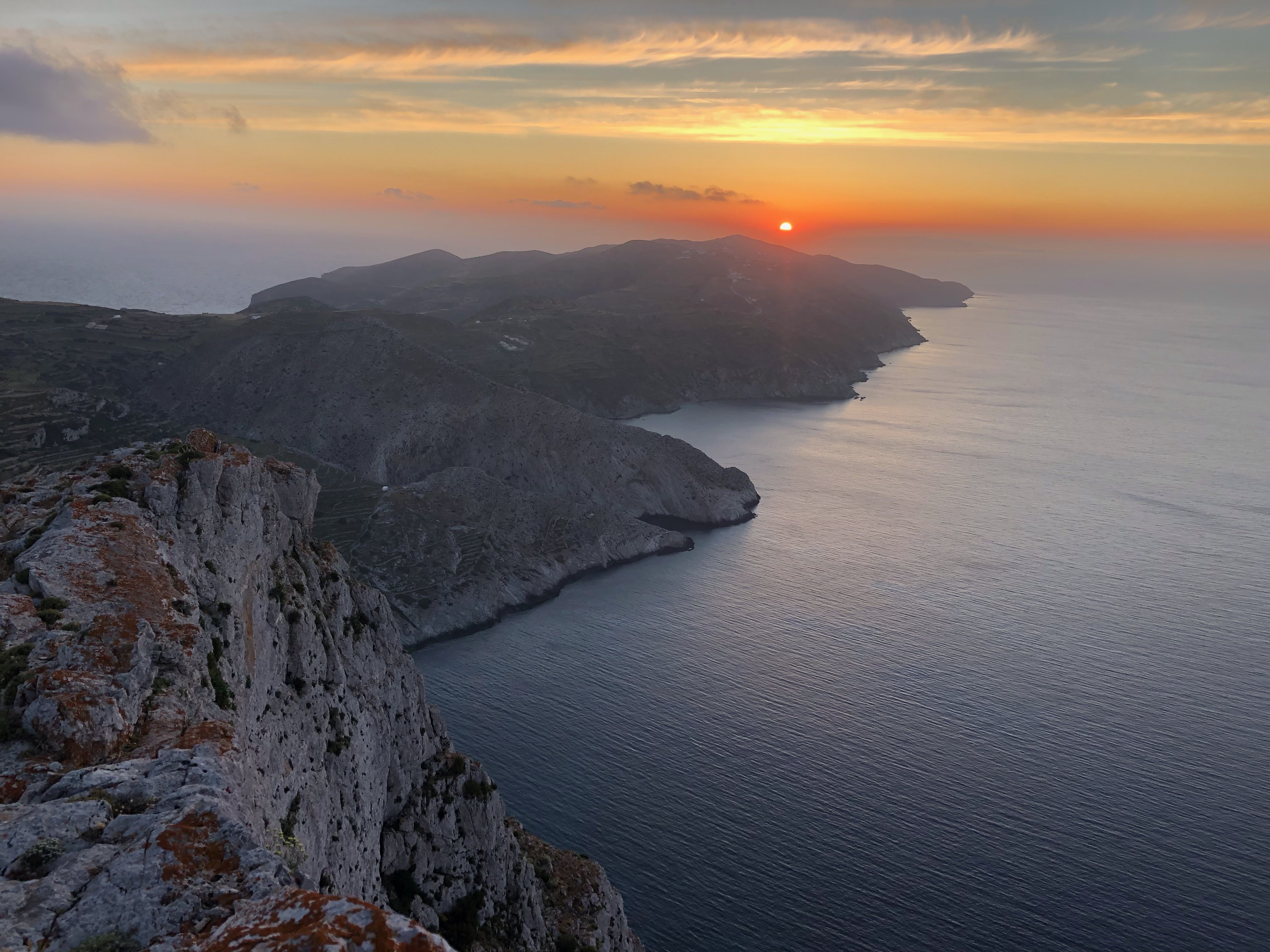
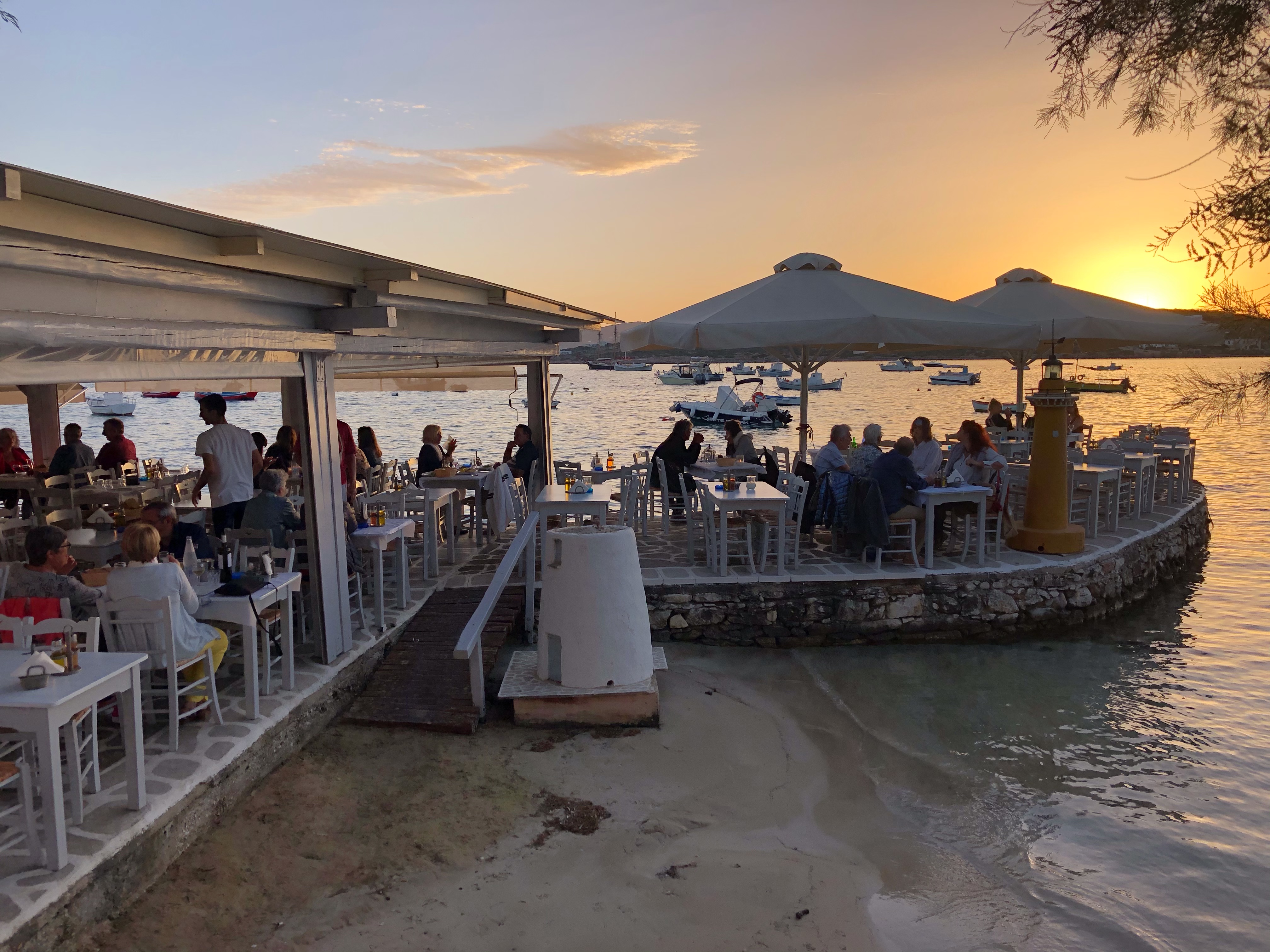
Folegandros is only about 15ks from end to end and about 1k wide. One road, one bus, a population of around 700, a small port town with a handful of tavernas and a main town 3ks up the road with a couple of shops and a few more restaurants. It was absolute bliss. And watching the sunset from the monastery on the top of the hill was every bit as good as a Santorini sunset, but minus the selfie sticks.

Folegandros also has some great walking trails, nice secluded beaches and the best Greek dining experience we have had so far. Whilst out exploring on a rented scooter one day we came across Irene’s restaurant. It was actually more like Irene’s front room with a few tables and chairs. It’s is run by Irene, who does the cooking, and her granddaughter Irene who serves the customers. Folegandros is famous for its matsata, which is basically a kind of hand made pasta, so we thought we had better try it. I went for the braised lamb in tomato sauce and Ali had the pork in lemon sauce. It was real rustic home cooked Greek food, all washed down with half a litre of locally made wine. Dessert was complementary and delicious and it was such a great experience that we went back the next day for lunch to try a few different dishes which were equally as good.

We spent four days on Folegandros and could have stayed longer. If you want bars, nightlife, and a big selection of restaurants then Folegandros probably isn’t the island to go to, but if you want to chill out for a few days, do a bit of walking, eat some rustic and simple Greek food and swim at your own beach with no one else around, then trust me, this is the place.

In fact we loved it so much that when it came time to leave we nearly didn’t. We were just chilling on the balcony of our apartment waiting for the ferry which we thought was due at 10.50 when we heard a blast from what sounded like a ferry horn at 9.50. When I looked over to the port, sure enough, there was the ferry coming in. We had got the time wrong. I have never finished packing so quickly in my life, grabbed my rucksack and ran. I just made it as they were about to start untying from the quay and persuaded them to hang on for another couple of minutes to wait for Ali. If we had missed it I wouldn’t have minded an extra couple of days on Folegandros but we had already booked accommodation on Paros so it would have been a bit awkward.

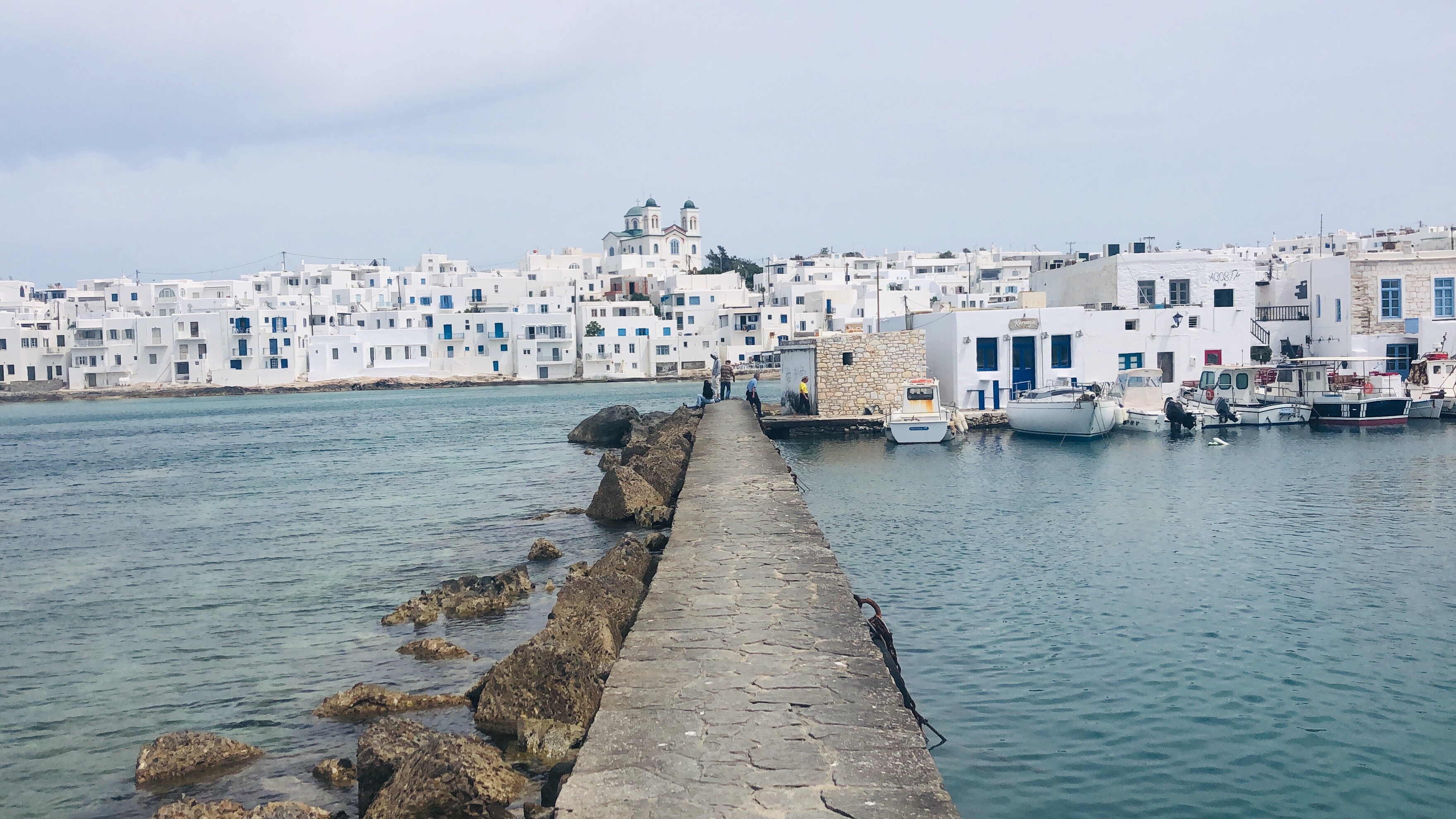
Paros was the largest of the islands that we visited. We stayed in the little town of Aliki which has a nice little sandy beach, fishing boat harbour and a handful of restaurants. There are a couple of towns with much more going on and Naoussa at the top of the island is full of restaurants and souvenir shops but nothing compared to Santorini. We spent a week on Paros as there is quite a bit to explore, some great beaches and a few good walks. It really is a beautiful island with a great mix of solitude, scenery, culture and restaurants.

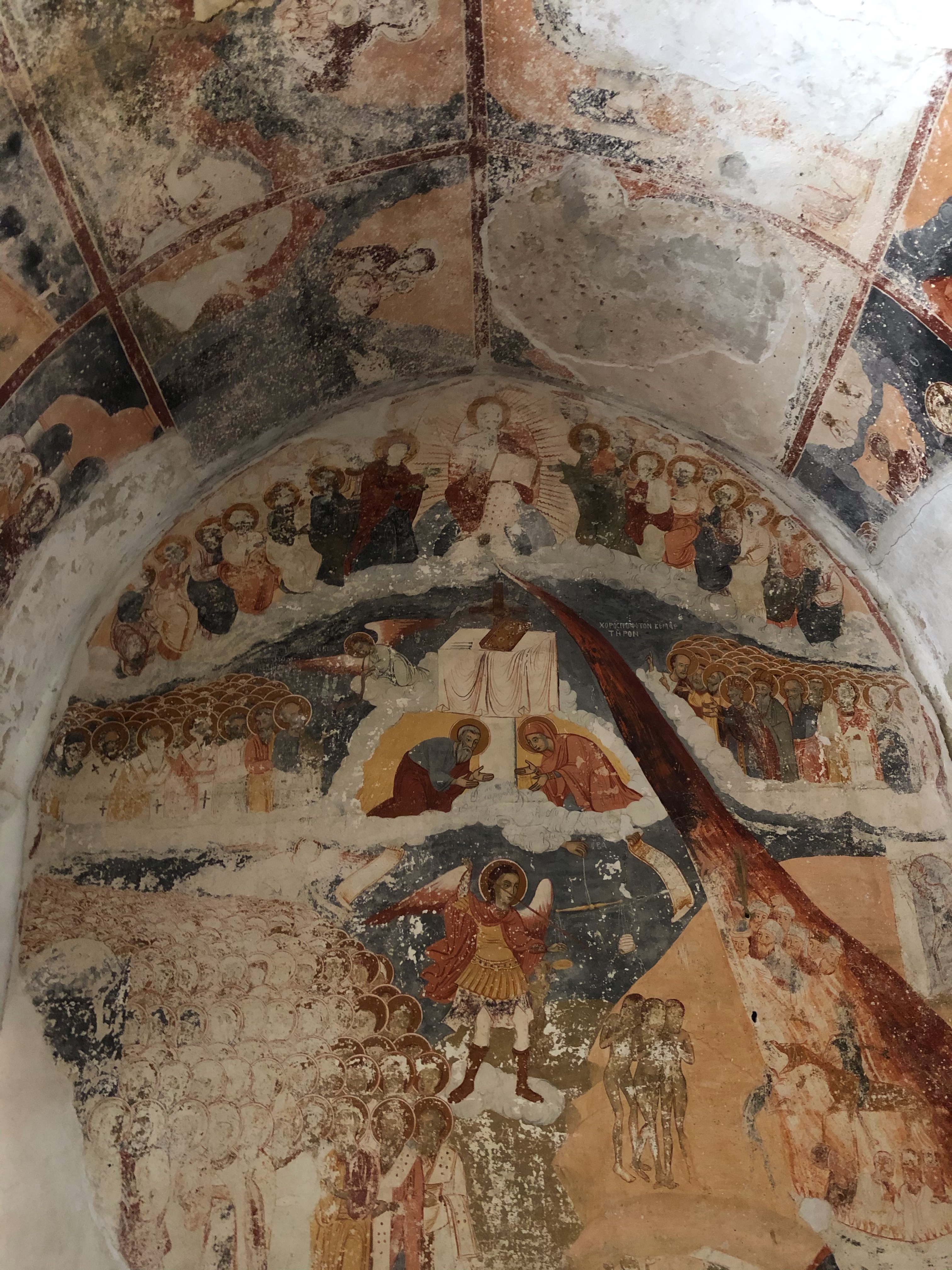
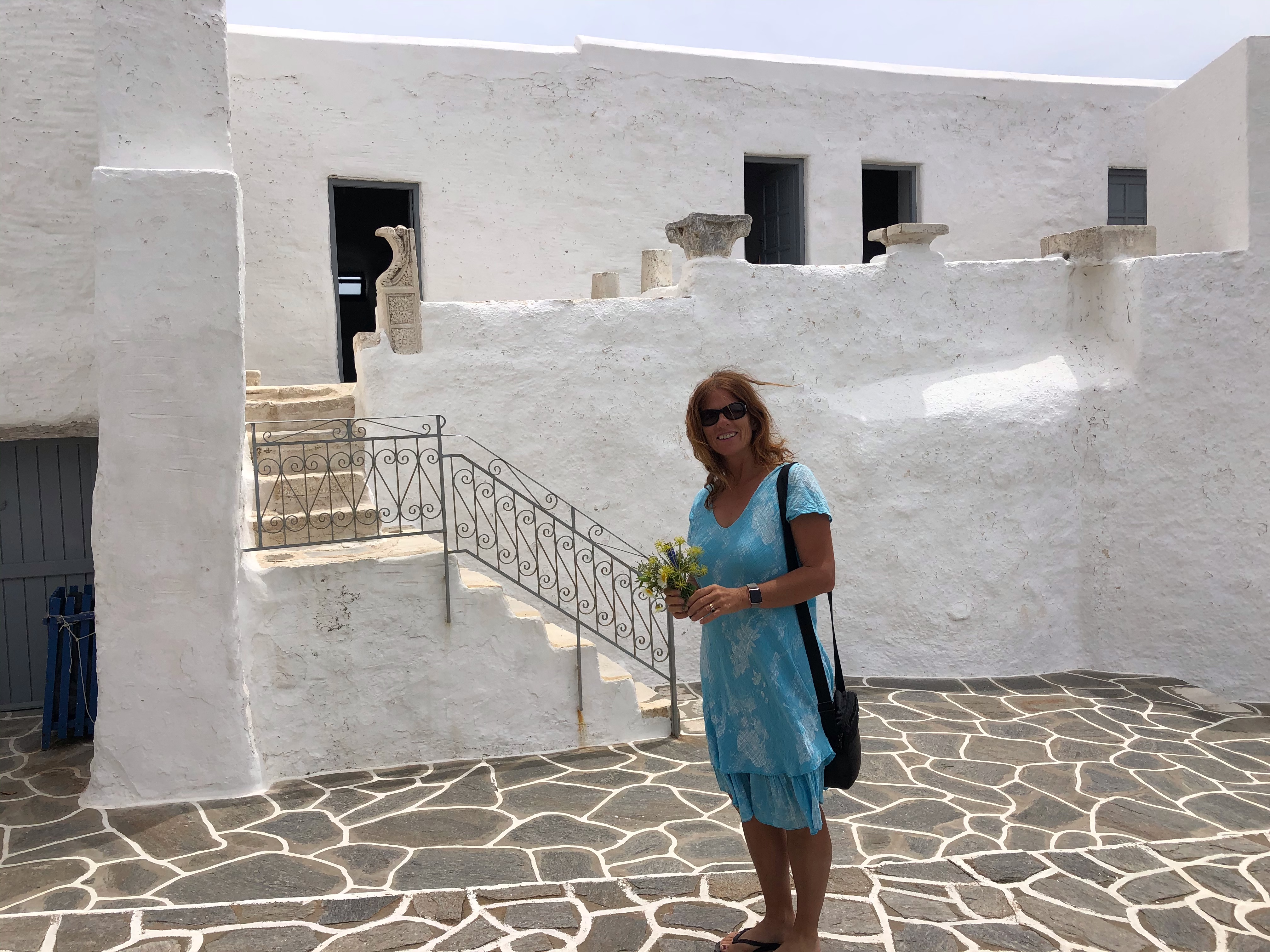
One of my favourite experiences on Paros was riding our little rented scooter to the monastery on top of the hill where we were greeted by a lovely lady who spoke no English but her hospitality was fantastic. We were given a glass of mead and some loukoumi which is basically Greek Turkish delight. We were allowed to look inside the church and also into the monks cells in the monastery and as we left Ali was given a posy of freshly picked flowers.

Whilst on Paros we took a side trip to the tiny island of Antiparos which is only a 10 minute ferry ride away. A very quiet and tranquil place with a nice walk around the top of the island. Apparently Tom Hanks and Bruce Willis have houses here but we didn’t spot either of them, although there was an odd looking bloke sitting on a park bench telling his life story to anyone who would listen.
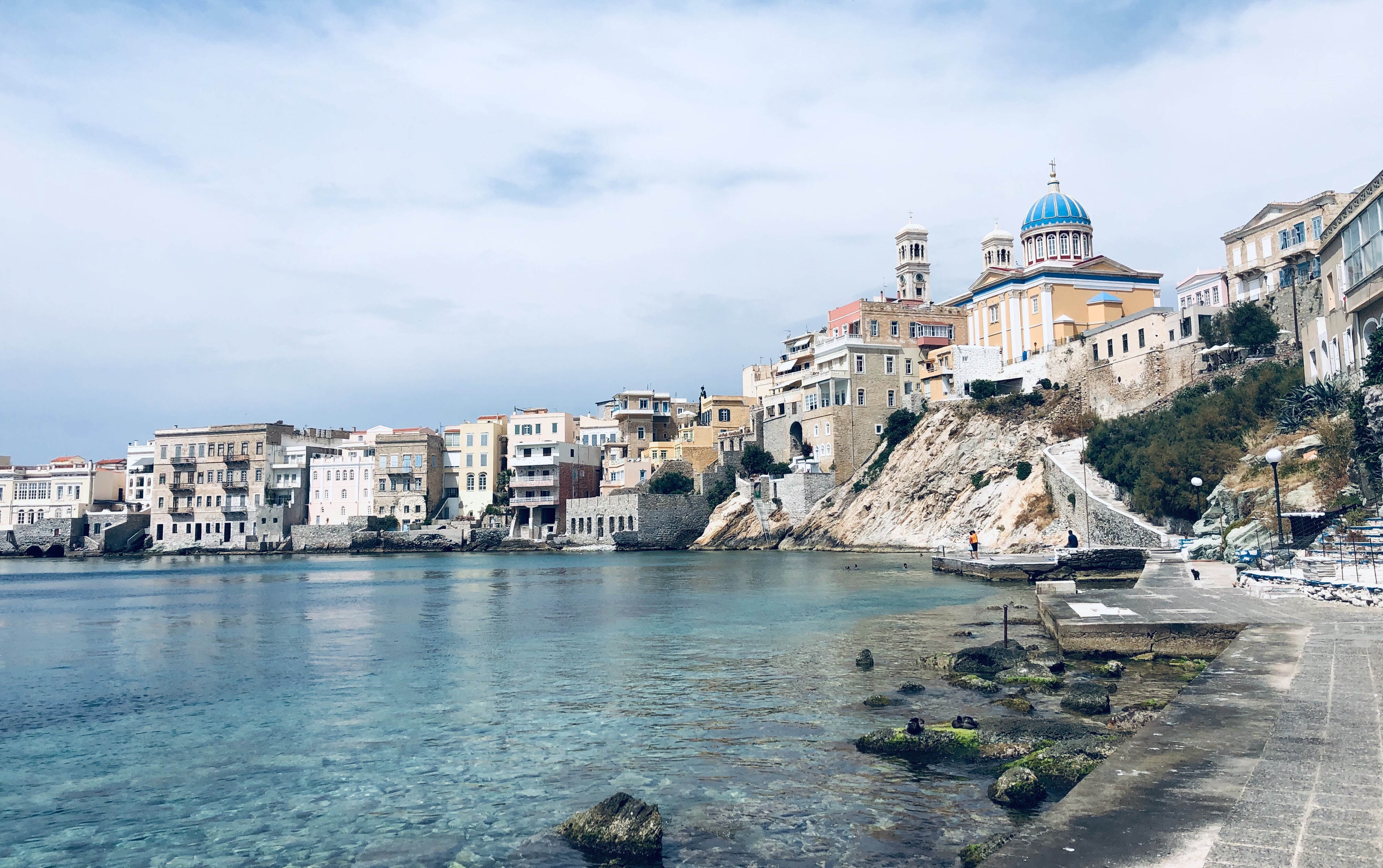
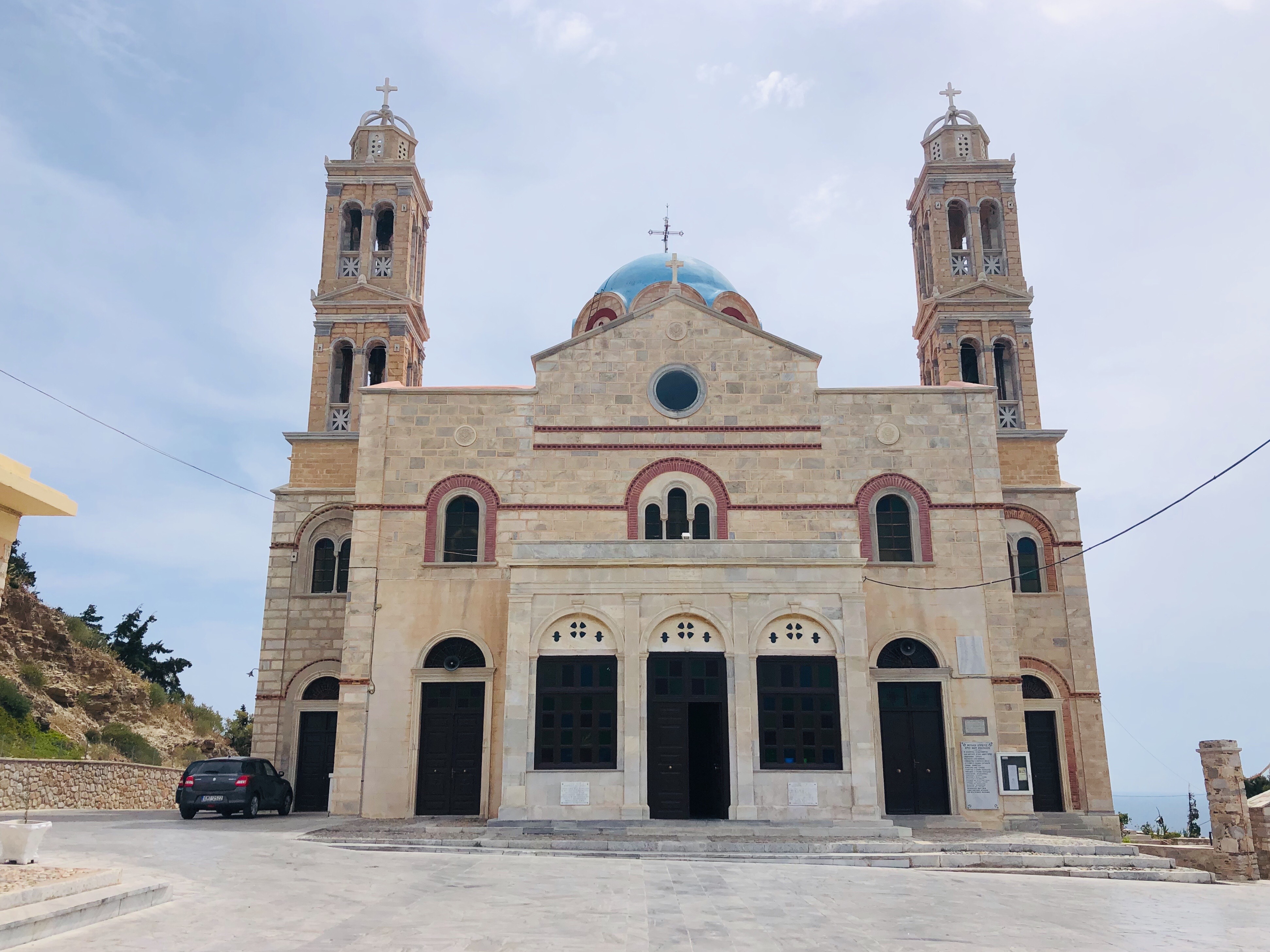
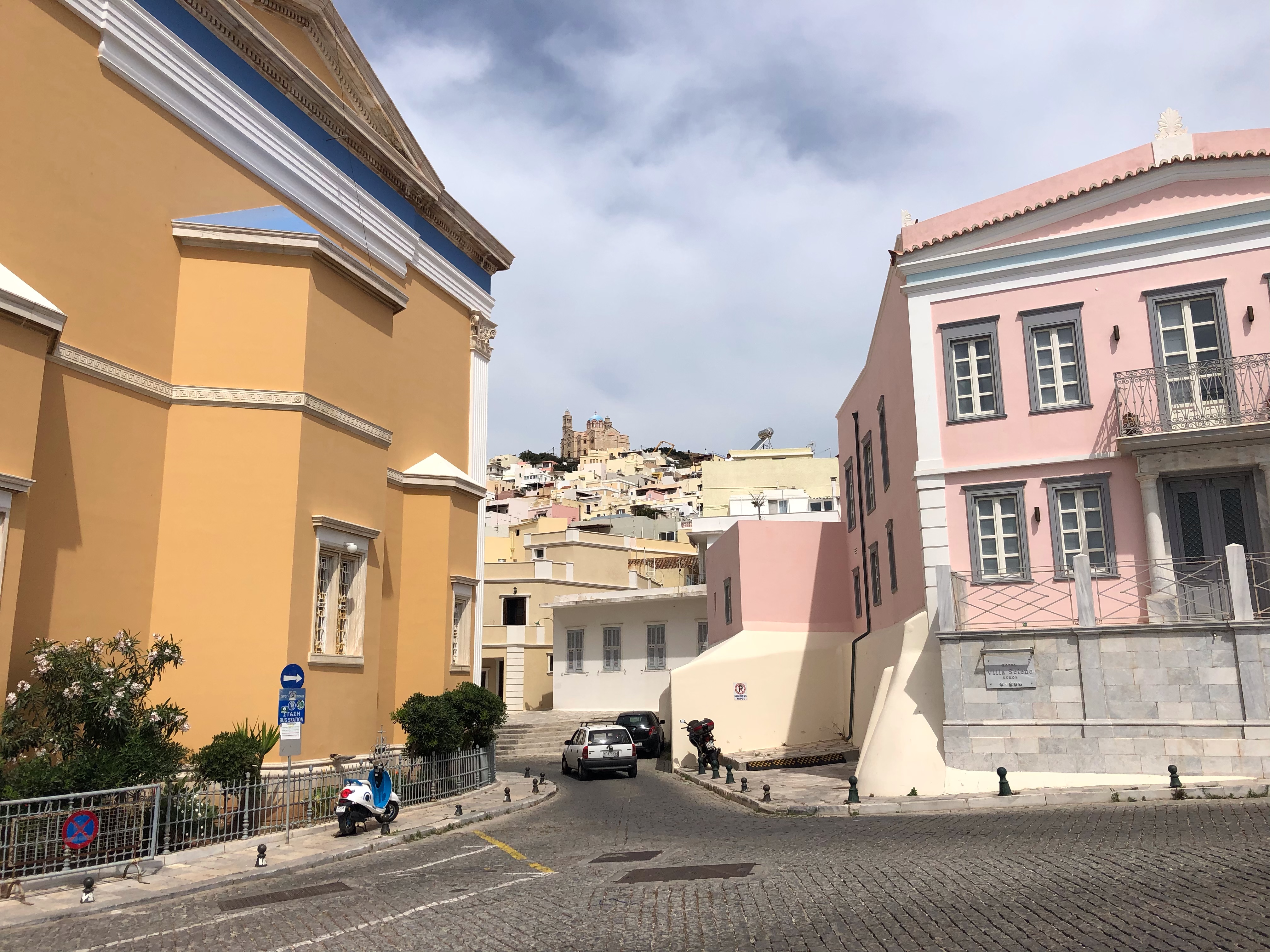
And now, as I write this we are on Syros. And I can’t make up my mind if Syros is my favourite island or Folegandros.

Syros is quite different to the other islands we have visited. The main town of Hermoupolis is huge compared to other island towns but it still has a relaxed feel to it. Syros is the administrative centre of the Cyclades and also has a couple of universities so although there is tourism here the island doesn’t rely on it quite like the other islands and this gives it a very different vibe. The architecture here is also quite different. Sure there are a few blue domes, but there is a lot more colour here other than blue and white and in fact Hermoupolis actually looks a bit like a Croatian beach side town. There is a medieval old town on the hill overlooking the port with a great view from the top which is pretty cool.
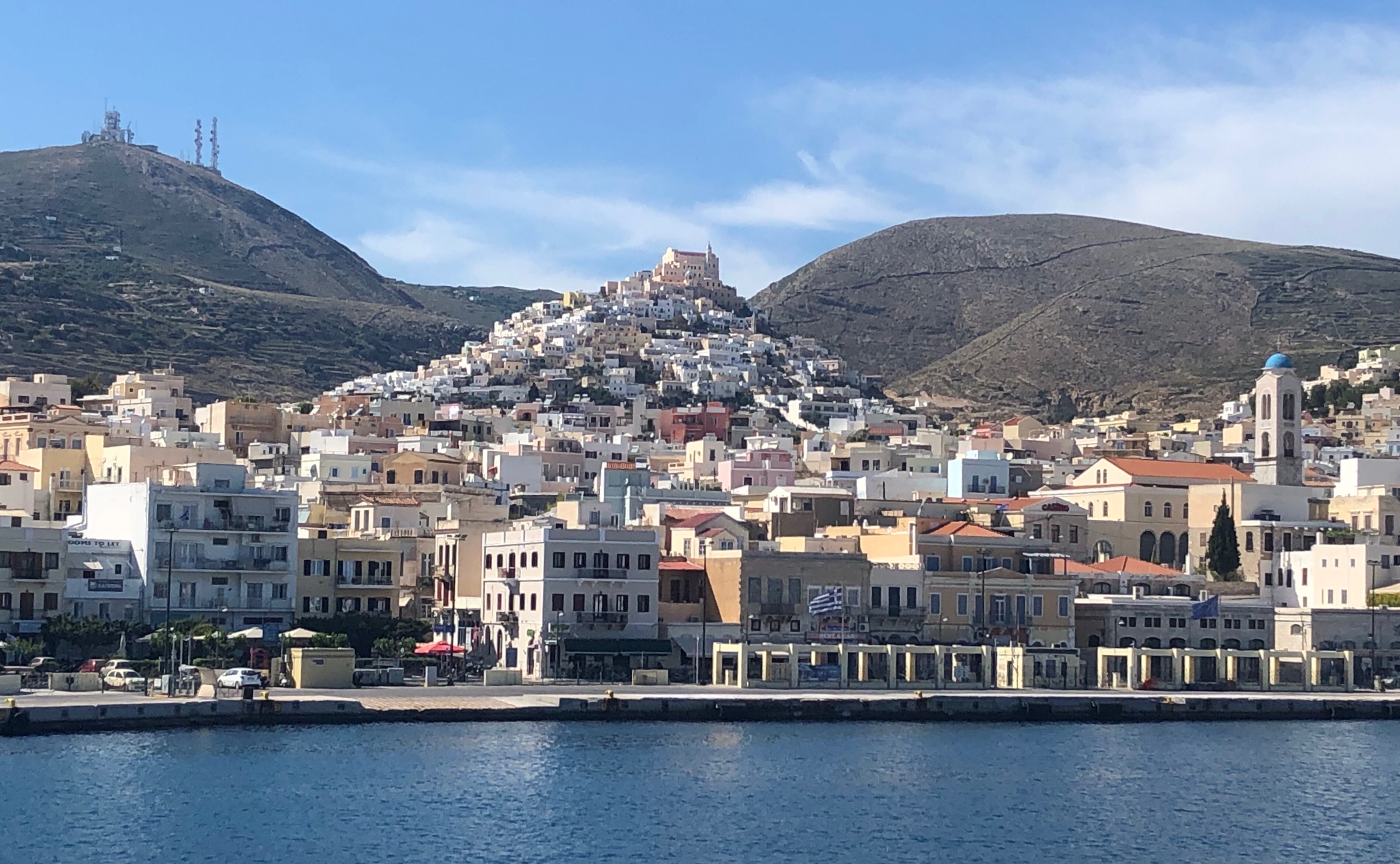
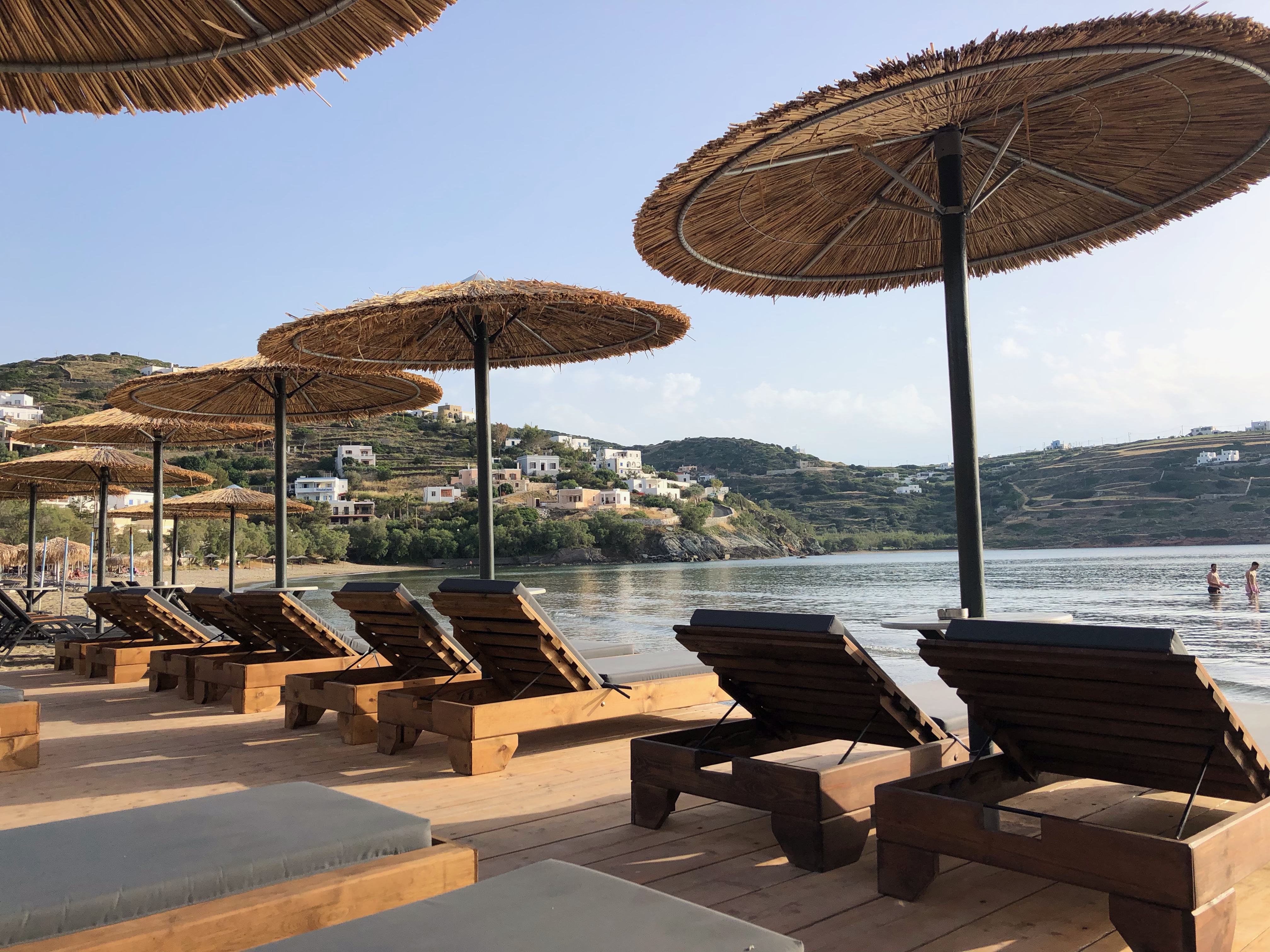
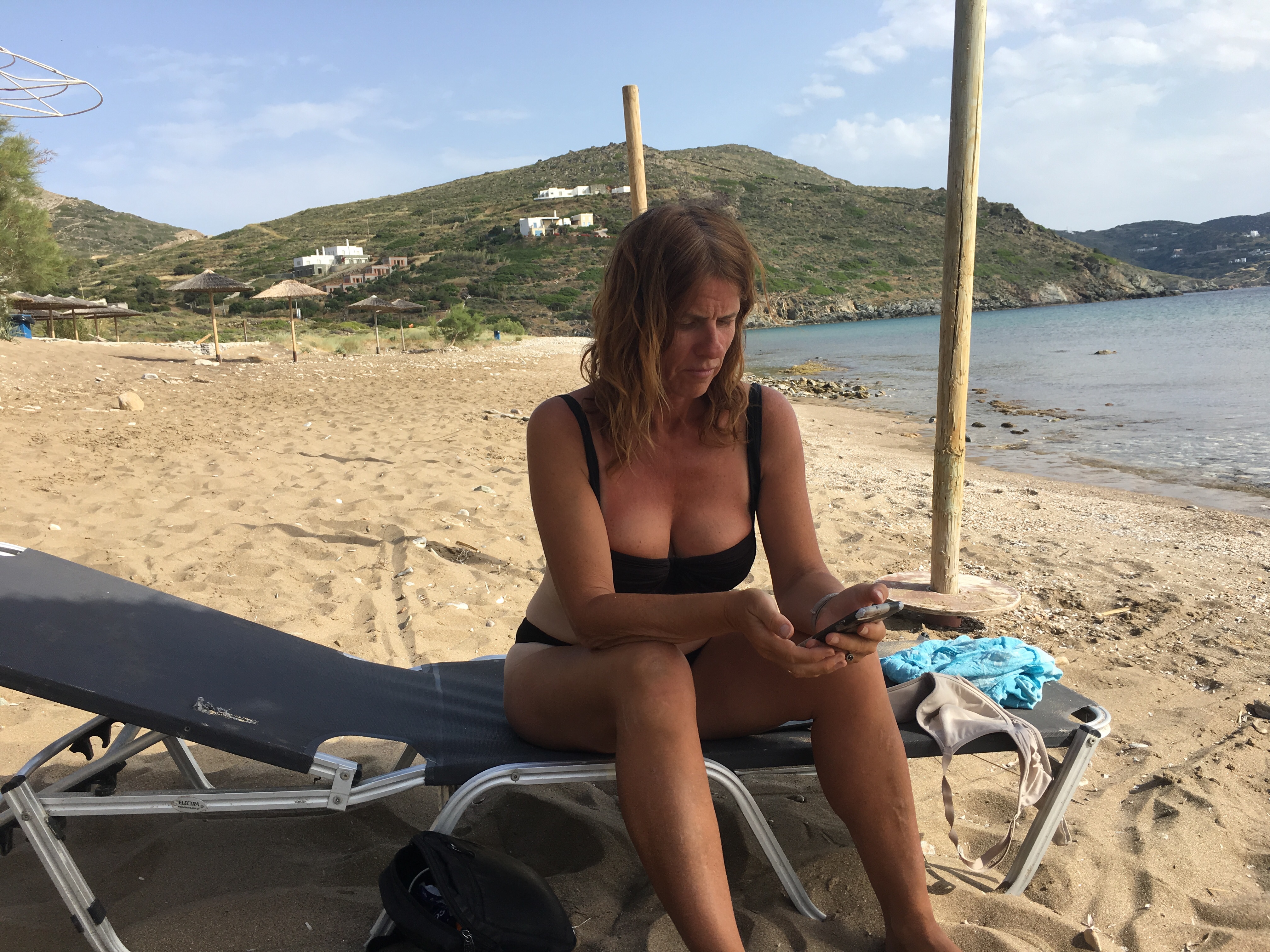
The beaches here on Syros are the best we have seen since Portugal and there are plenty to choose from. Some secluded ones that you need to hike to, and others with beachside bars and sun loungers where you can relax with a cold beer.

The scenery on the interior on the island is stunning too. The hills rise up pretty steeply from the coast and once you get up the top there isn’t much there other than a few goats and donkeys and the views are well worth the effort of getting there.
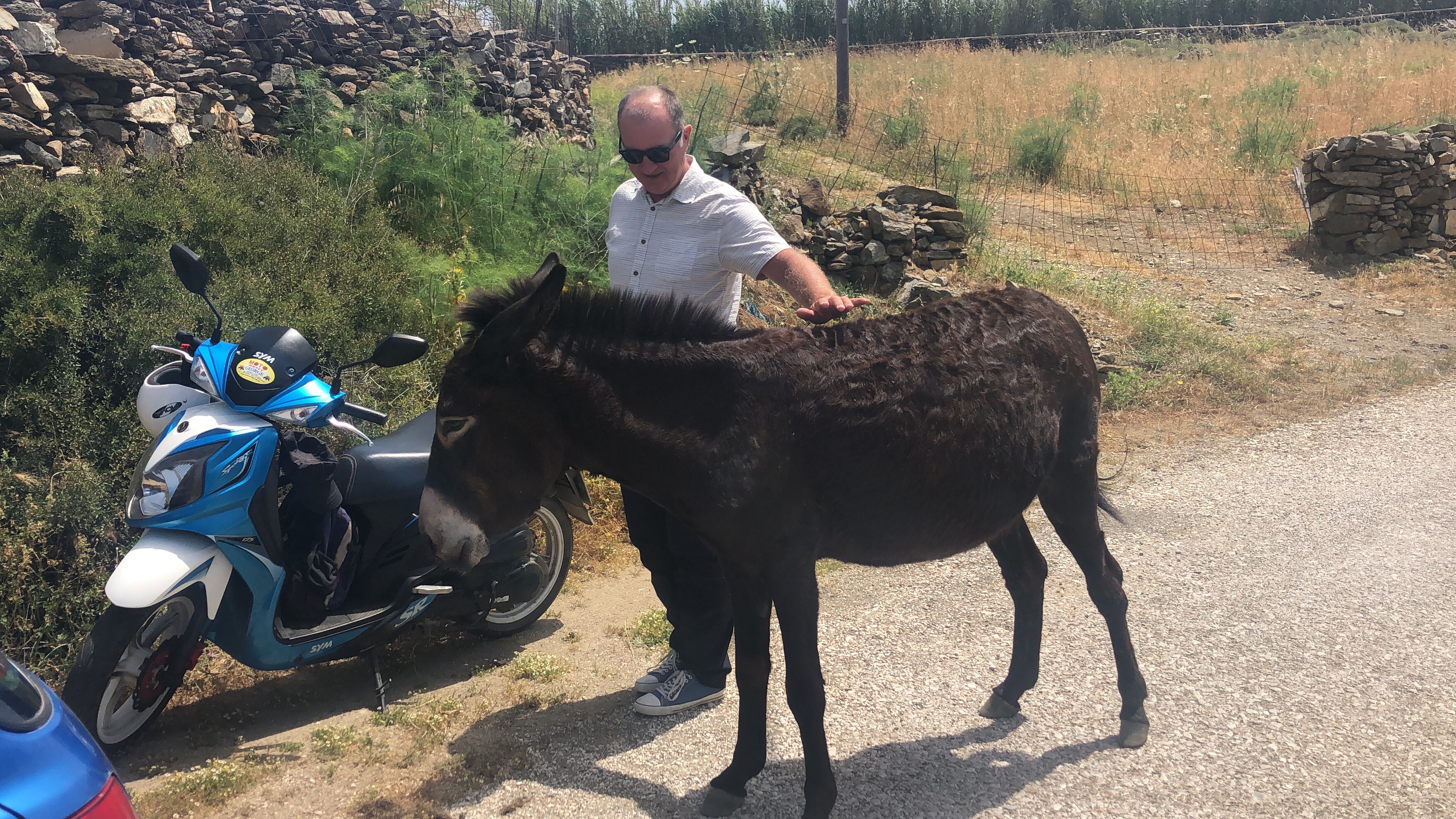
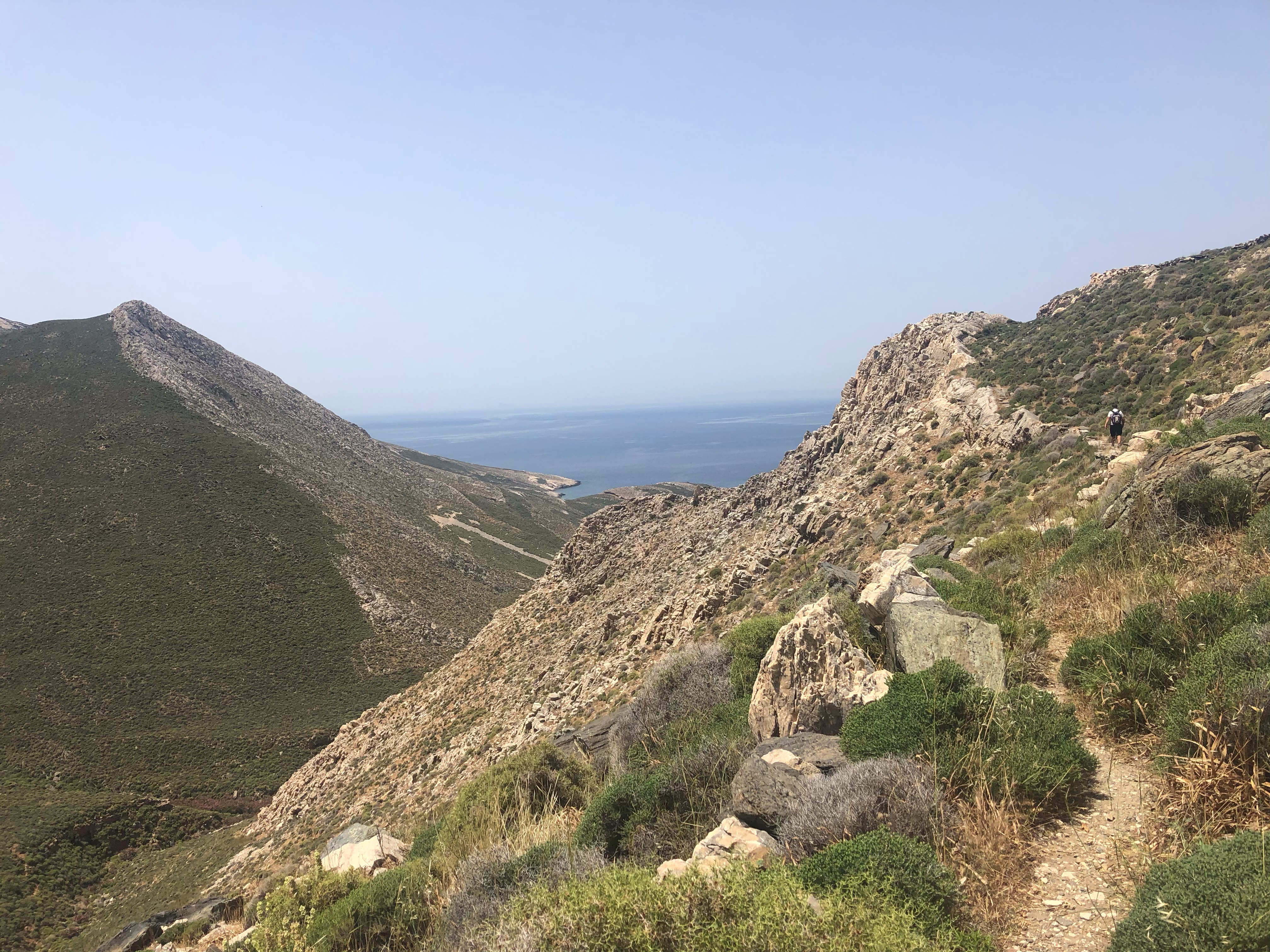
Of the five islands that we have been to the only one I wouldn’t rush back to would be Santorini. Not because it isn’t beautiful, it certainly is, but anyway, there are 195 more that I haven’t explored, not even counting the 300 or so uninhabited ones, so next time we come to Greece I think we’ll try somewhere new.

Yugoslavia!?

Yeah, I know, Yugoslavia doesn’t exist anymore, but we spent three weeks exploring part of what used to be Yugoslavia. Slovenia, Croatia, Montenegro, Republika Srpska, Bosnia and Herzegovina seemed like a rather long winded title.

Our original intention in Europe was to hire a car in Portugal (which we did), and drive it all the way to Greece (which we didn’t). Turns out that none of the hire car companies are keen on letting you take their cars either into or out of Greece, so that idea all became a bit too hard. As a compromise we decided to fly from Portugal to Zagreb in Croatia, hire a car there, see how much we could see in three weeks or so and then fly from Zagreb to Athens. Our car hire in Portugal was ridiculously cheap. We managed to get one for less that €10 a week there. Unfortunately Croatia wasn’t quite that cheap, in fact it was more like €10 per day, but that still isn’t too bad. The paperwork said international drivers licence required, but I was never asked for it, my Aussie licence seemed to be enough.

We had a bit of an itinerary to follow for Croatia thanks to a Croatian friend in Australia (thanks Marina). So after a couple of days exploring Zagreb we headed north towards a little town by the name of Varazdin that looks like it just stepped from the pages of a kids fairytale book. The first of many as it turned out. From there we turned west crossing into Slovenia heading to the capital Ljubljana.

It’s been a long time since I have had to show a passport at a border crossing in the EU and I really thought this was a thing of the past, so I was surprised to see there is still a border between Croatia and Slovenia with immigration and customs control. At least it was faster and more efficient than the last land border I had crossed between Cambodia and Vietnam back in February. That would all change when we got to Bosnia though which is still not part of the EU, but more on that later.

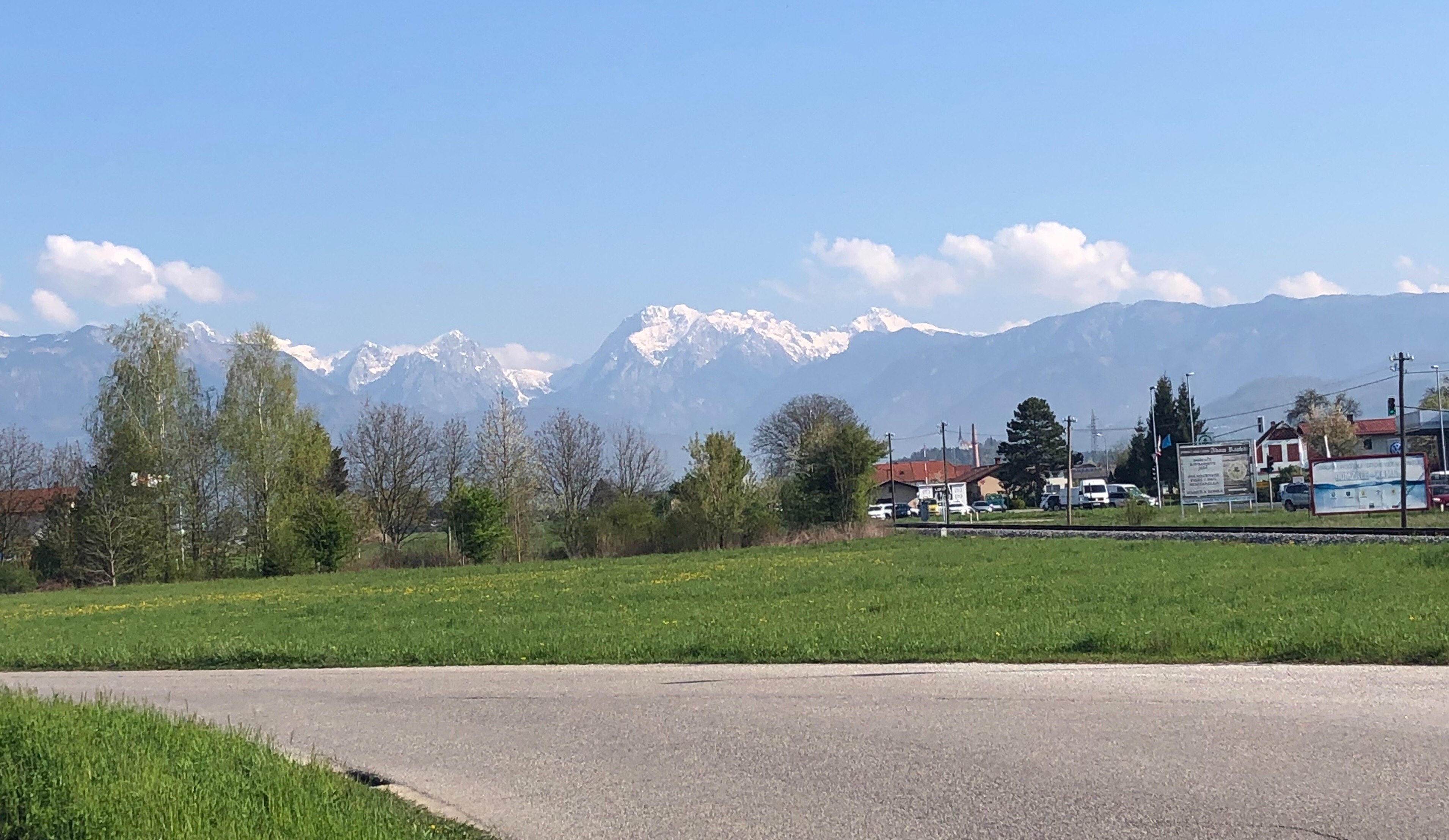
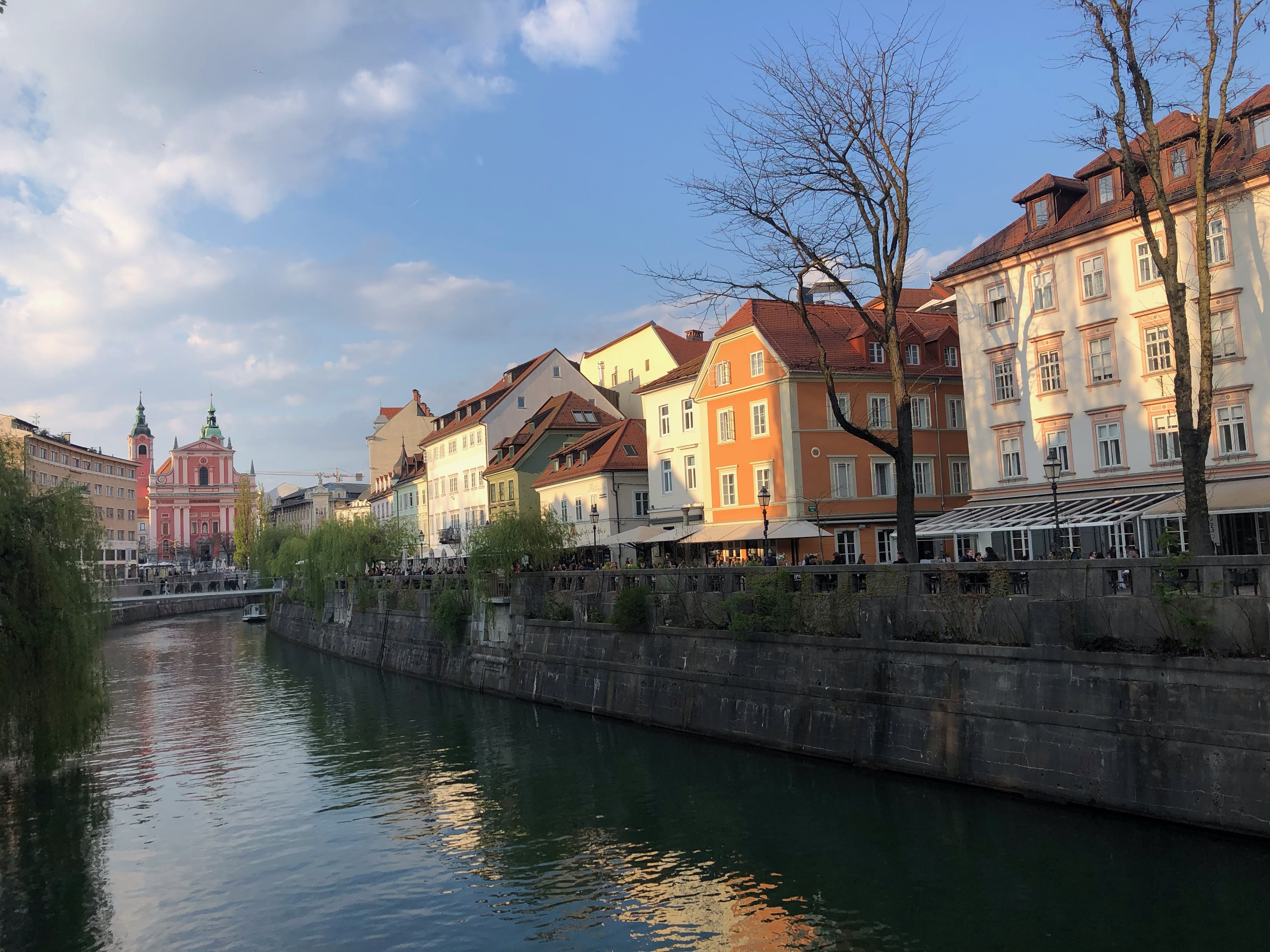
I knew nothing about Ljubljana before we arrived other than the fact that it is the capital of Slovenia. So glad that we made the effort to go there though. Our accommodation was out of town a bit but it was basically a beautiful little wooden ski chalet at the bottom of a snow capped mountain. The view was awesome. Ljubljana itself is another fairytale town with cafes and restaurants alongside a river that runs right through the middle of town with squares and medieval churches all topped off with a castle overlooking the city and snow capped mountains all around. Well worth a side trip to see that.

From there we headed towards the Istrian peninsular back in Croatia with a side trip to Trieste in Italy for a Campari Soda and some lunch. No passports required on that crossing.

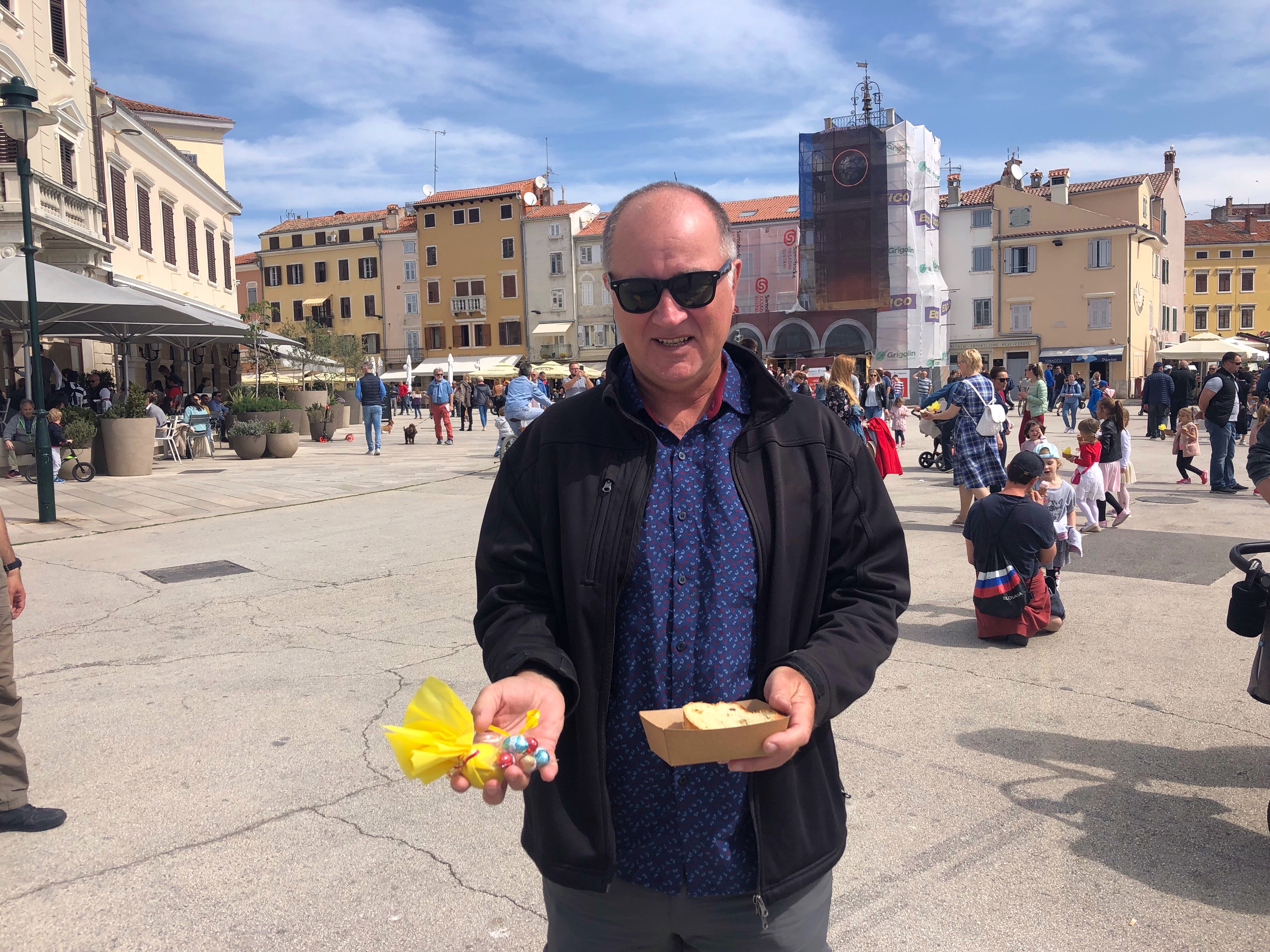
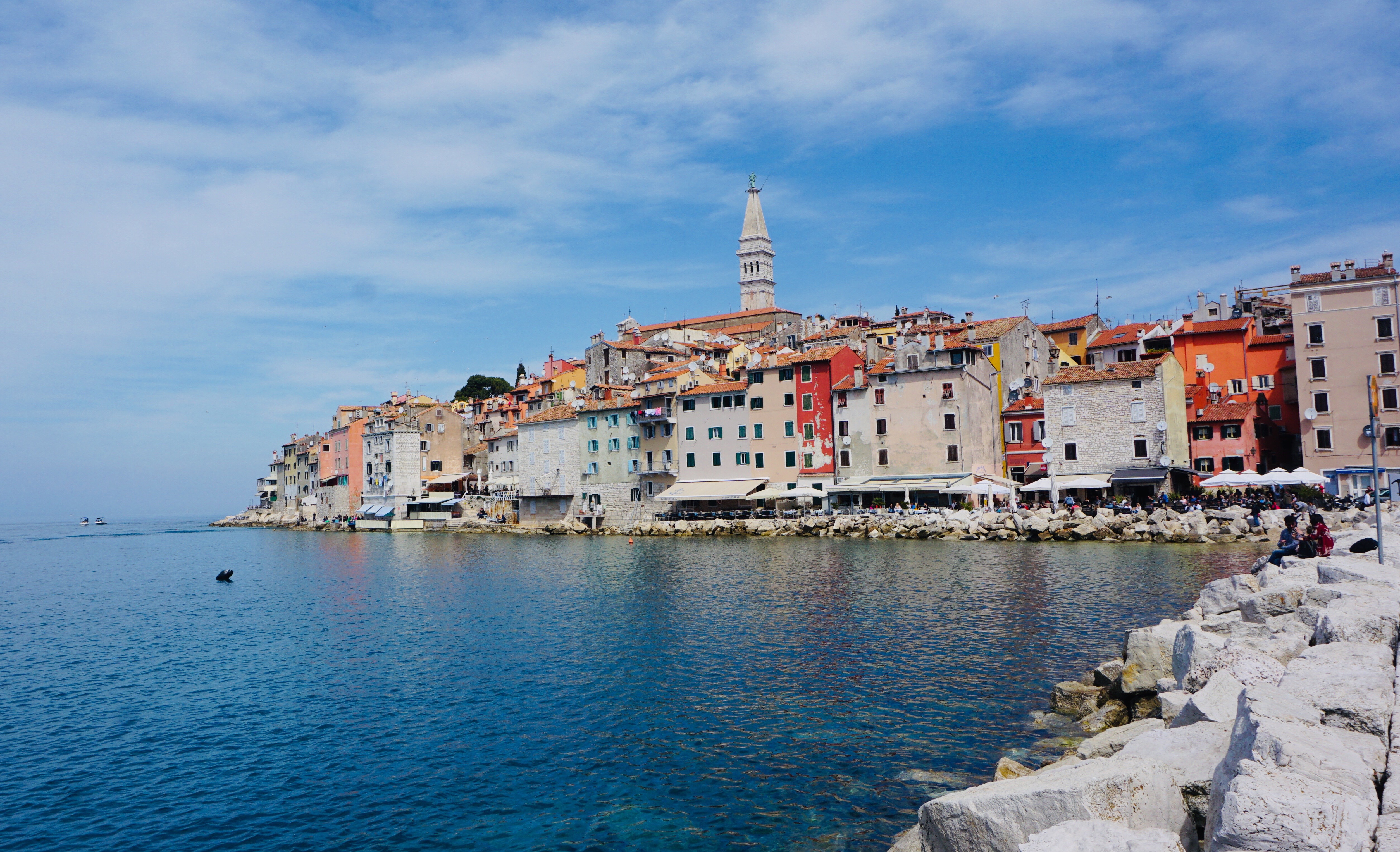
In my humble opinion, Istria has the best that Croatia has to offer. Sure Split and Dubrovnik are must see cities, but Istria has it all. Rovinj was probably my favourite Croatian town. A very cool medieval city on a little peninsula surrounded by the crystal clear waters of the Adriatic, a beautiful little boat harbour, a castle on the hill. We were there on Easter Sunday so there was a pretty a good atmosphere what with a band playing in the main square and free cake and eggs being given out to anyone. Real eggs as well as chocolate ones.

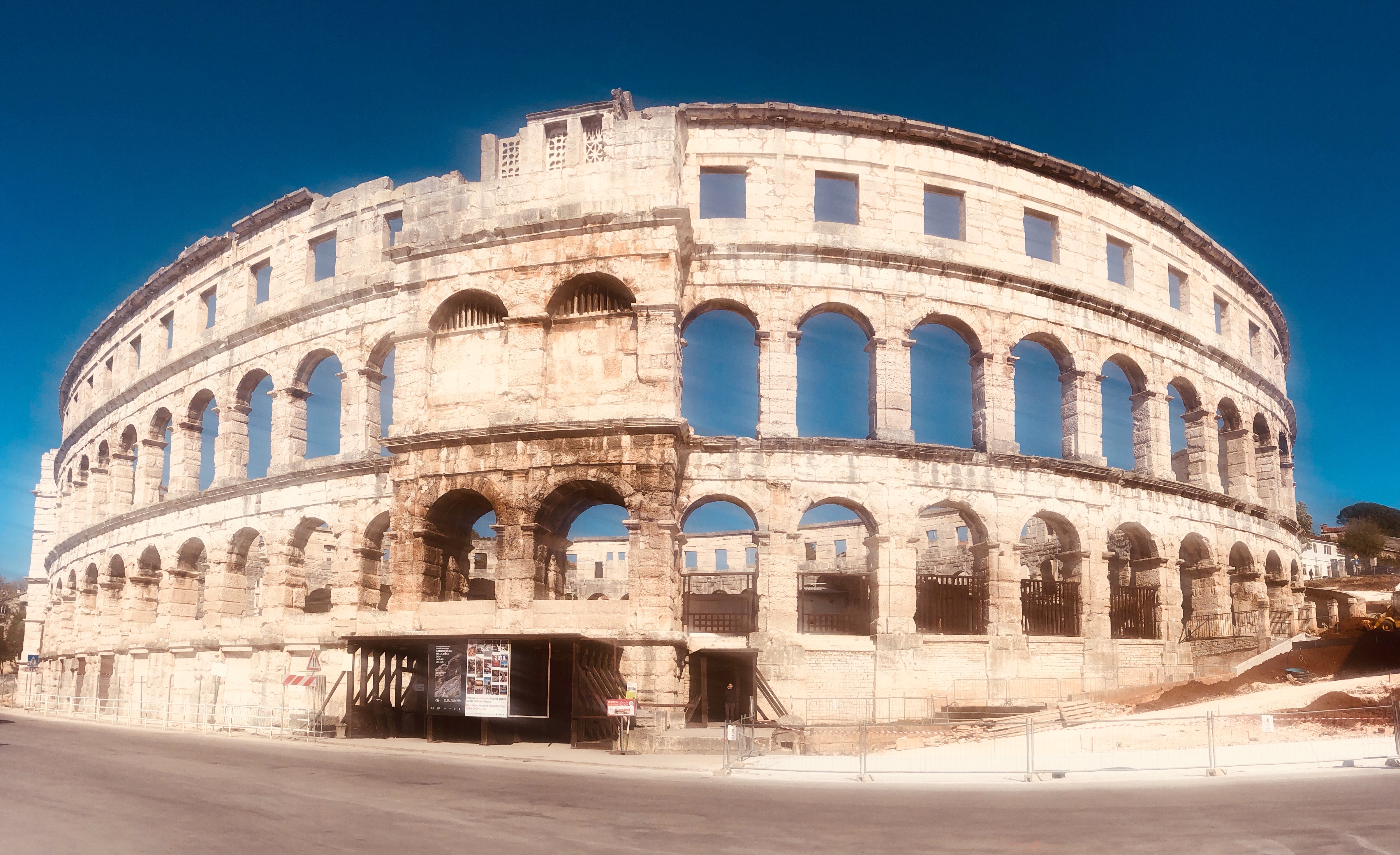
And then there is Pula, with its very own Roman Arena, temple of Augustus and a number of other remarkably well preserved and impressive Roman ruins. Istria has plenty of beaches too, and they are as good as any you will find down on the Dalmatian coast where most of the tourists seem to favour. I have to say though that Croatian beaches are not beautiful stretches of golden sand. They basically come in three varieties: pebble, gravel or concrete. Doesn’t sound too appealing, but the clear calm water and beautiful secluded coves kind of makes up for it.

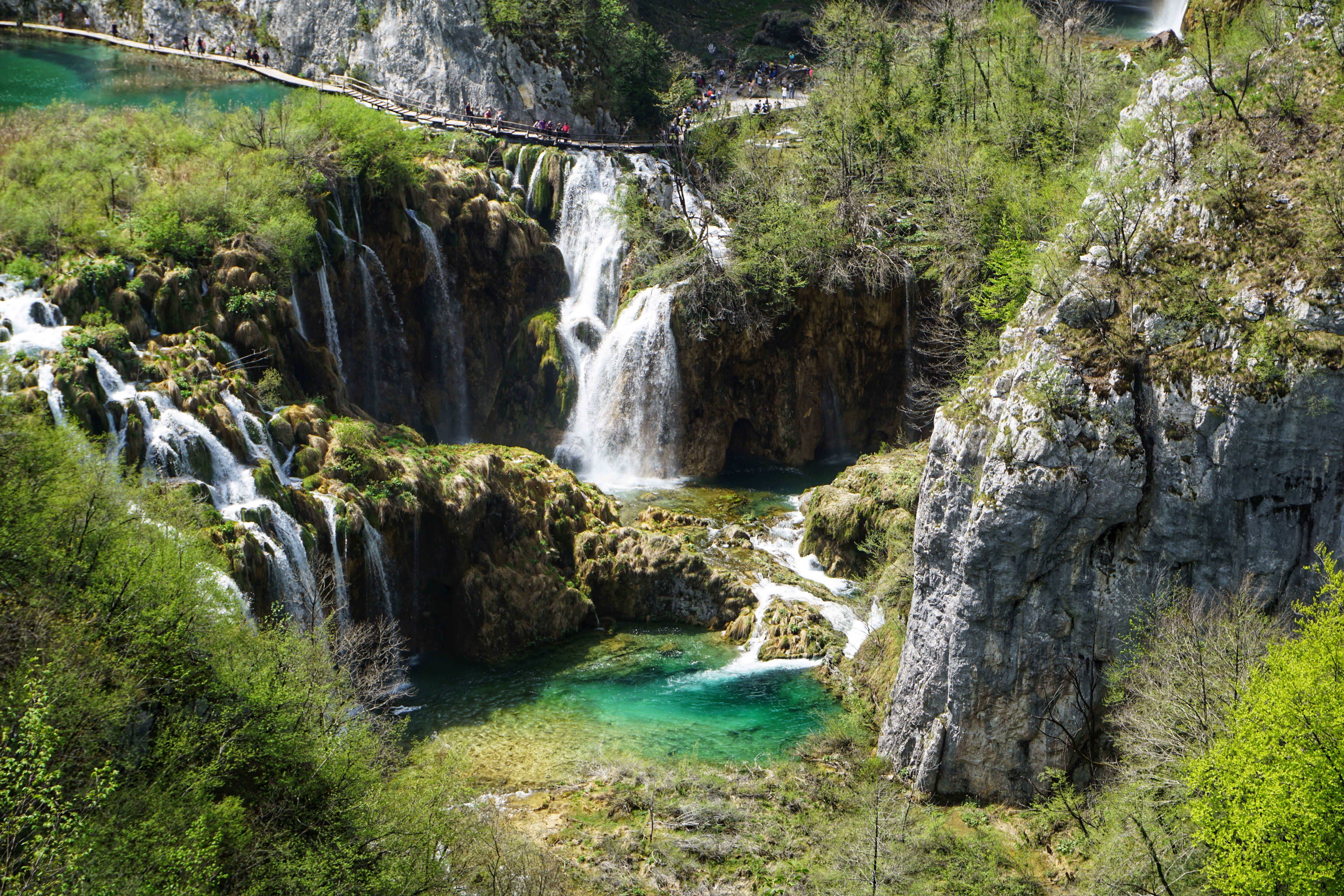
Plitvice Lakes National Park was our next stop after Istria. This beautiful park is well worth a visit, but get there early as it is a very different place by 10.00am when tourists start arriving by the bus load from Zagreb. We arrived at about 7.30am and pretty much had the walking trails to ourselves for the first couple of hours, but by the time we left the car parks were full. Can’t imagine what it’s like in July and August.

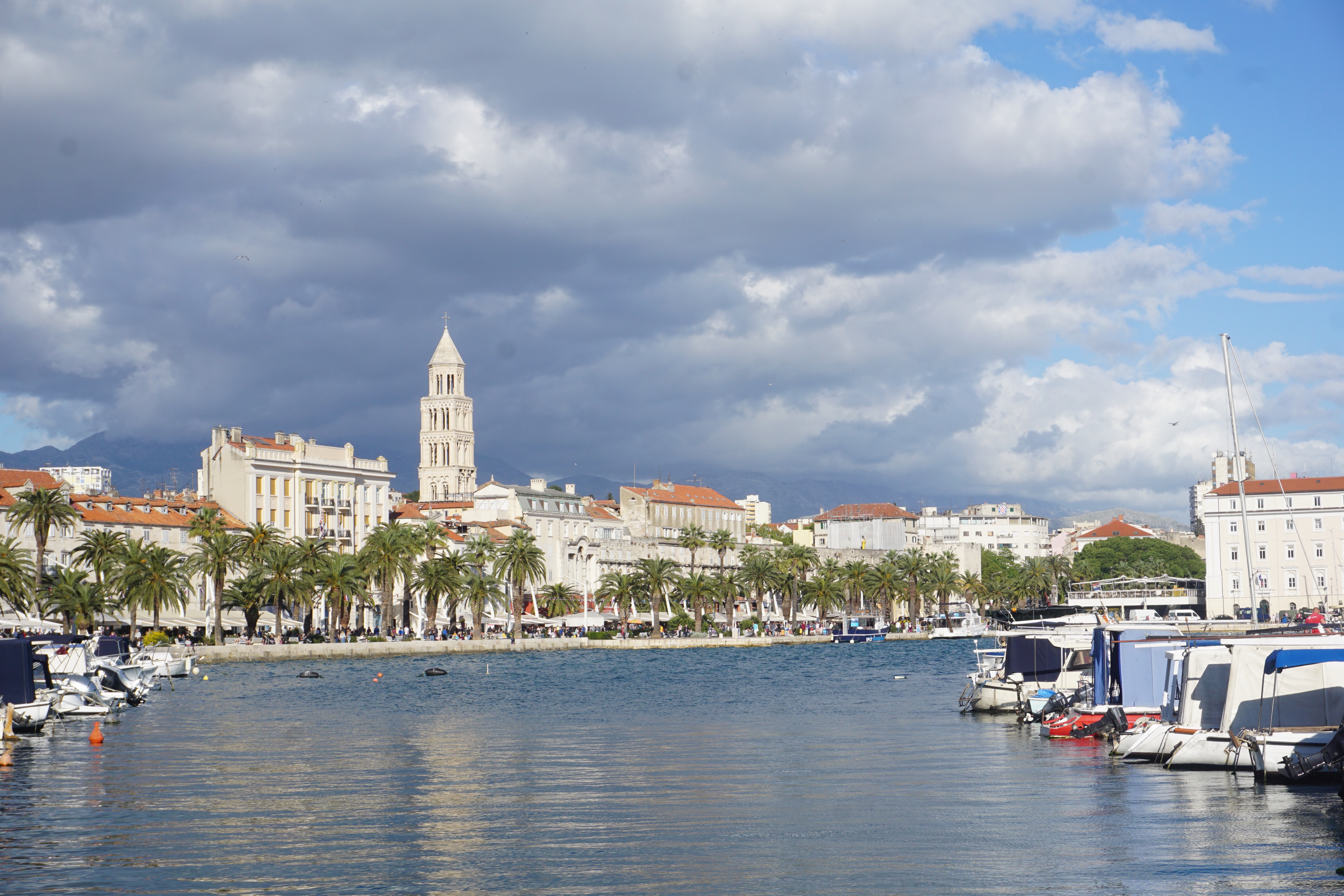
The same could be said for Spilt and Dubrovnik. If you are going to explore the old towns in these two cities, start early, and try to time your visit on a day when there are no cruise ships in town. When the cruise ship hits town in Split take a walk up to the top of Marjan Park on the edge of town. The views over the city are fabulous and if you walk down the other side there is a nice sheltered gravel beach with a cafe. We walked all the way back into town via Bene beach and this is obviously where the locals go walking on a Sunday afternoon as the park was buzzing with families walking, cycling, skating etc.

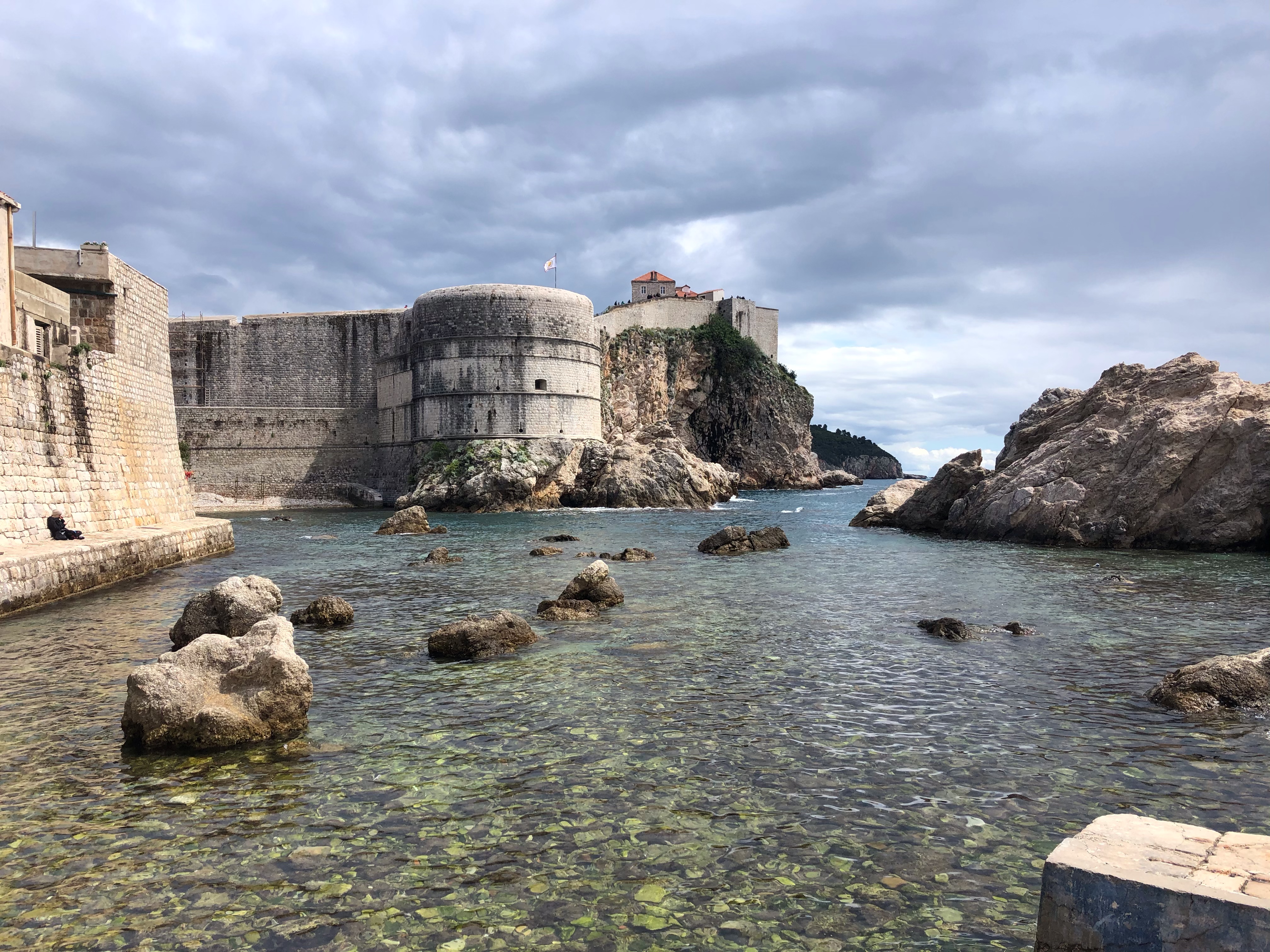
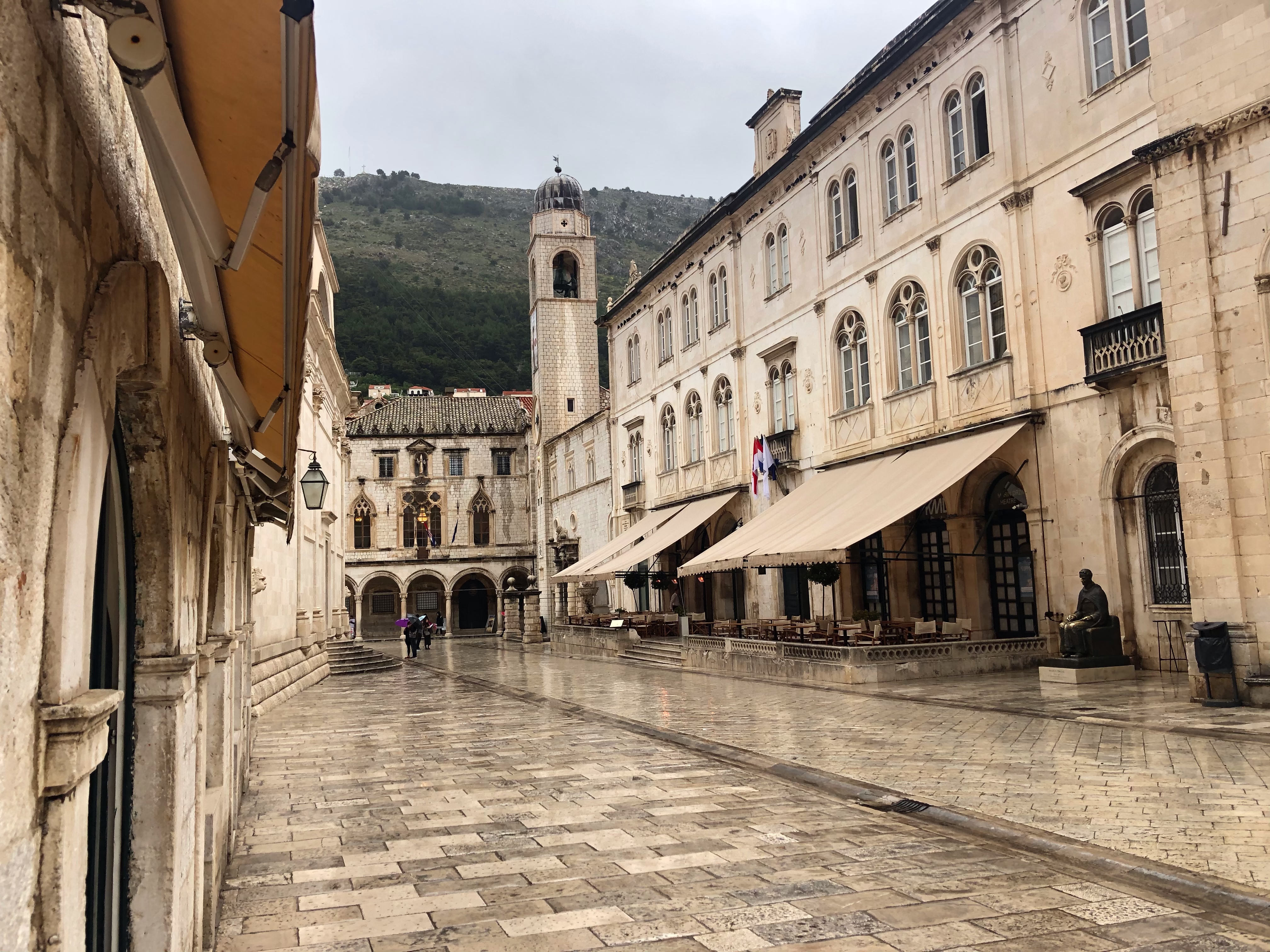
When the cruise ship hits town in Dubrovnik get up to the cliffs above the city. There is a cable car, which wasn’t running when we were there, but you can drive up there and it is an awesome drive. At the top there is an old fort which was the scene of much of the fighting during the siege of Dubrovnik back in 1991/92 and is now a museum telling the story of the siege in photographs and video clips. This is well worth a visit. Oh, and of course, if you are a Game of Thrones fan you can’t miss the fact that Dubrovnik is Kings Landing and from the top of the hill where you can’t see all the cafes, restaurants and souvenir shops, you actually can imagine it as so.

Croatians are very friendly, hospitable and also very proud of their country and its culture. One of the places we experienced this most was in Zadar, where we happened to be on the final day of the flower festival. Along the waterfront, tables were set and food and wine was being served from an open air ‘kitchen’. At first we thought it was a private function until we were offered a bowl of hearty Croatian soup and fresh bread. So soup in hand we found a table and sat next to two local ladies who began telling us about Zadar, the festival, the food etc. The soup was followed by a Croatian dish called Bakalar. Salted cod with potatoes which was delicious. Best Croatian dining experience we had, no charge.

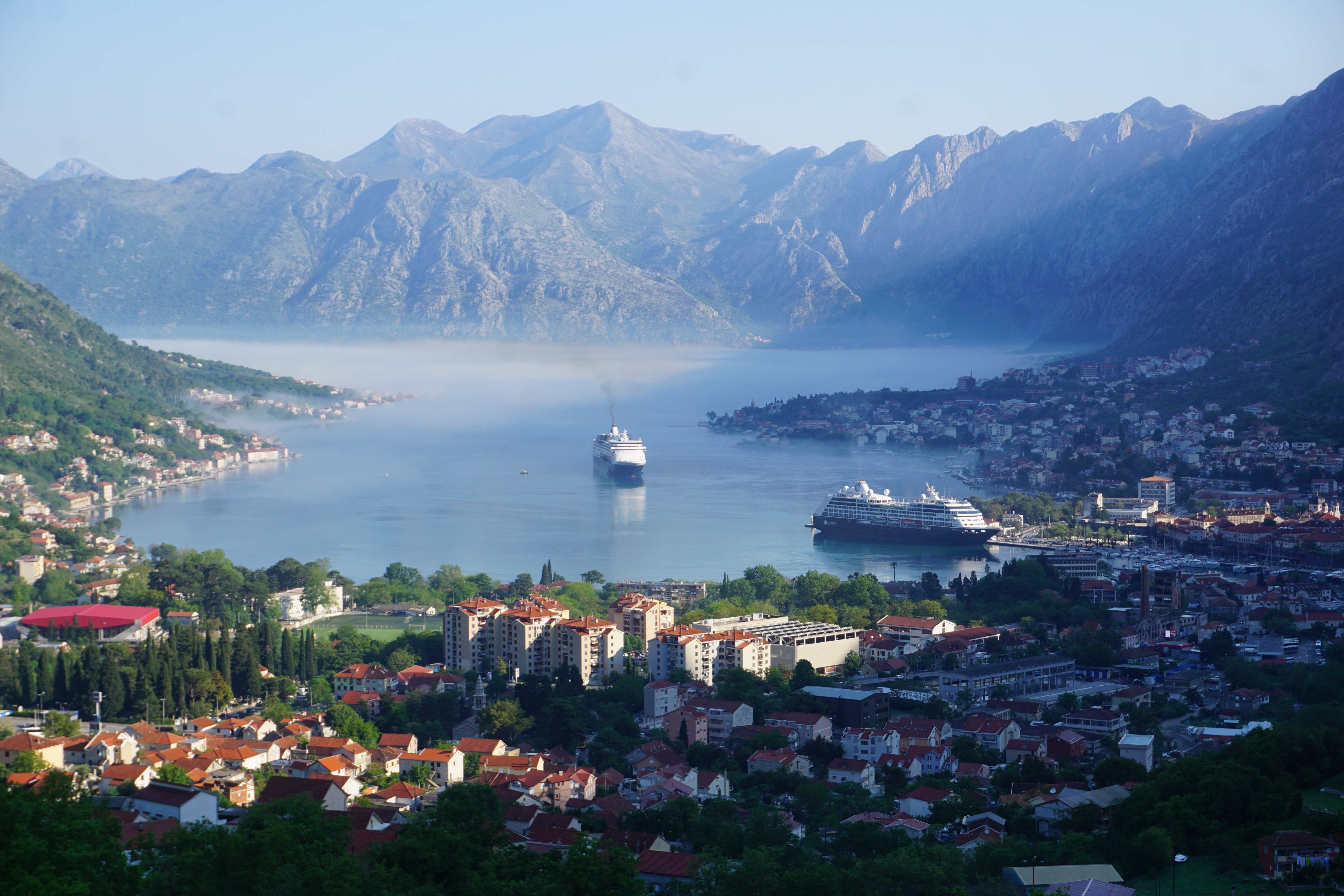
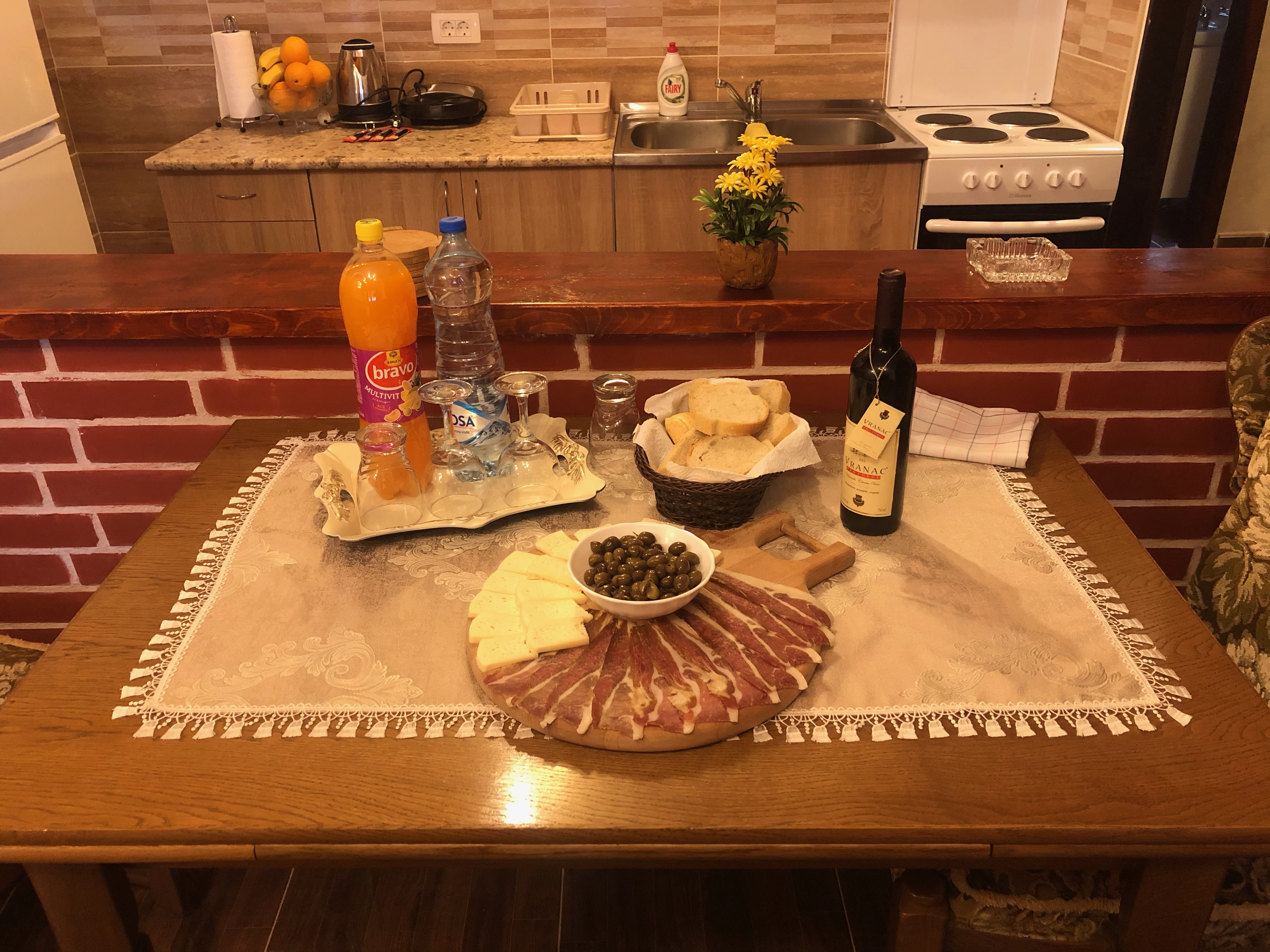
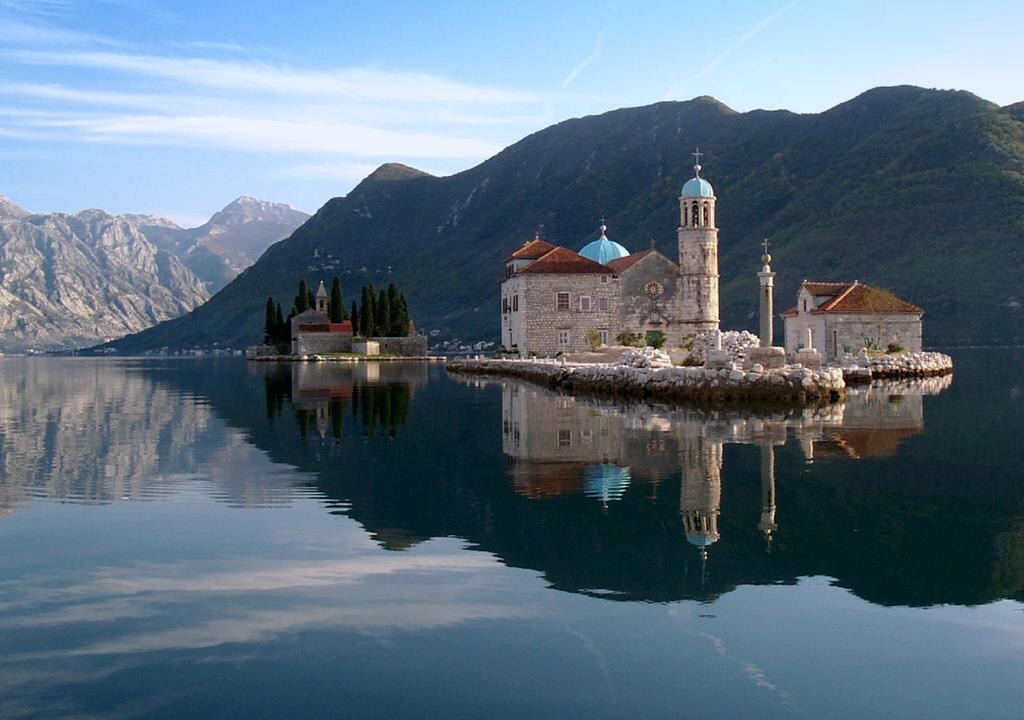
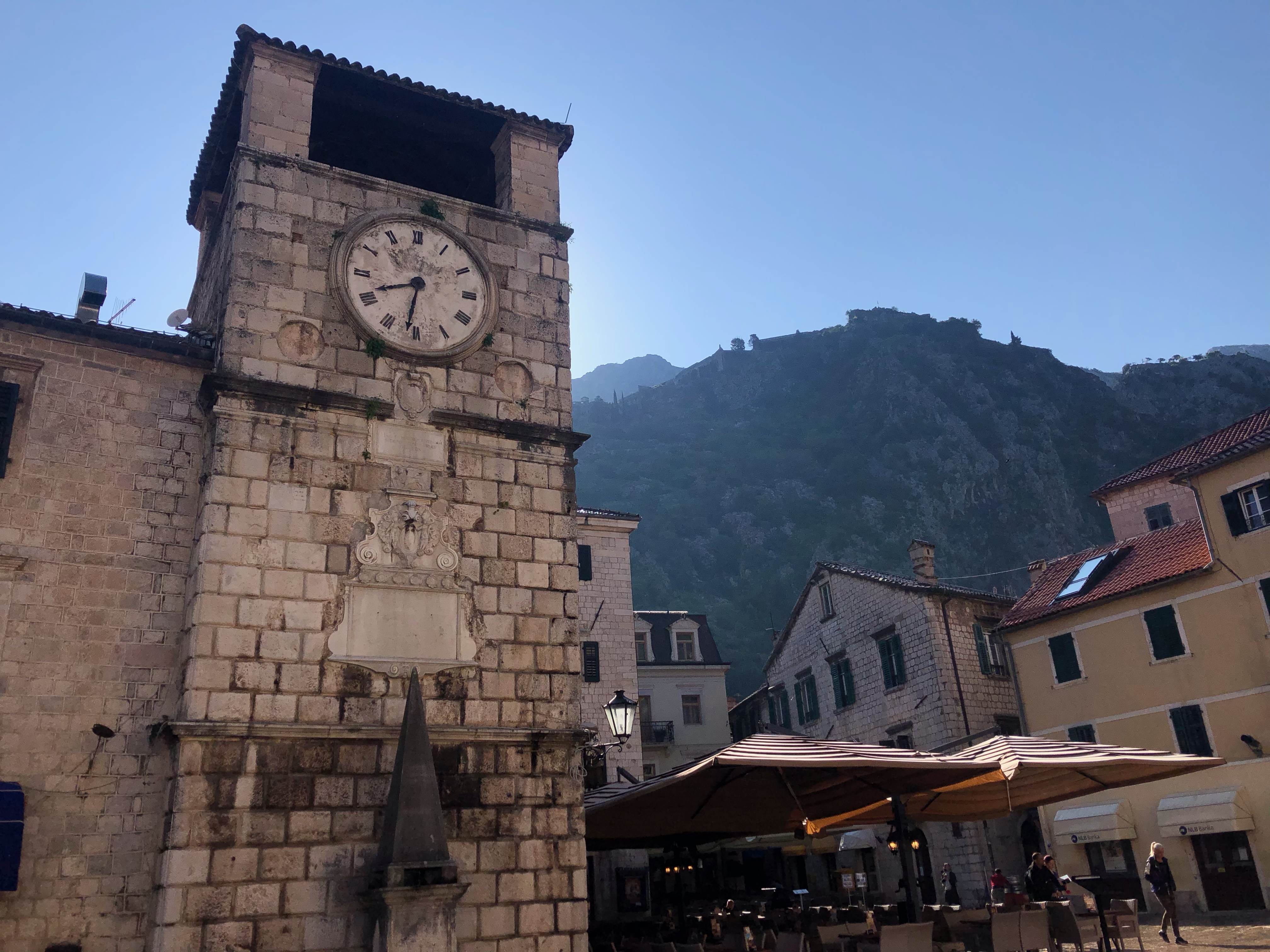
When we got to the bottom of Croatia we carried on into Montenegro. Incidentally to get to the bottom of Croatia you actually have to drive through about 20ks of Bosnia. Dubrovnik and the surrounding area actually isn’t connected by land to the rest of Croatia. This means that the relatively short drive from Split to Dubrovnik is made much longer by a frustratingly long wait to cross the border into Bosnia, and then 15 minutes down the road you have to queue to get back into Croatia. Anyway, the drive into Kotor in Montenegro is breathtaking. The road winds into the bay with the water on one side and the mountains on the other, reminiscent of a fjord in New Zealand or Norway. The climb up the walls of the old city gives a fabulous view of the bay, the city and the surrounding mountains. Breathtaking. We found an apartment that had views of the bay and the mountains and if Croatian hospitality was good, Montenegrin is even better. We were welcomed into our apartment with a bottle of local wine, a platter of local cheeses and cured meats and a loaf of freshly baked bread.

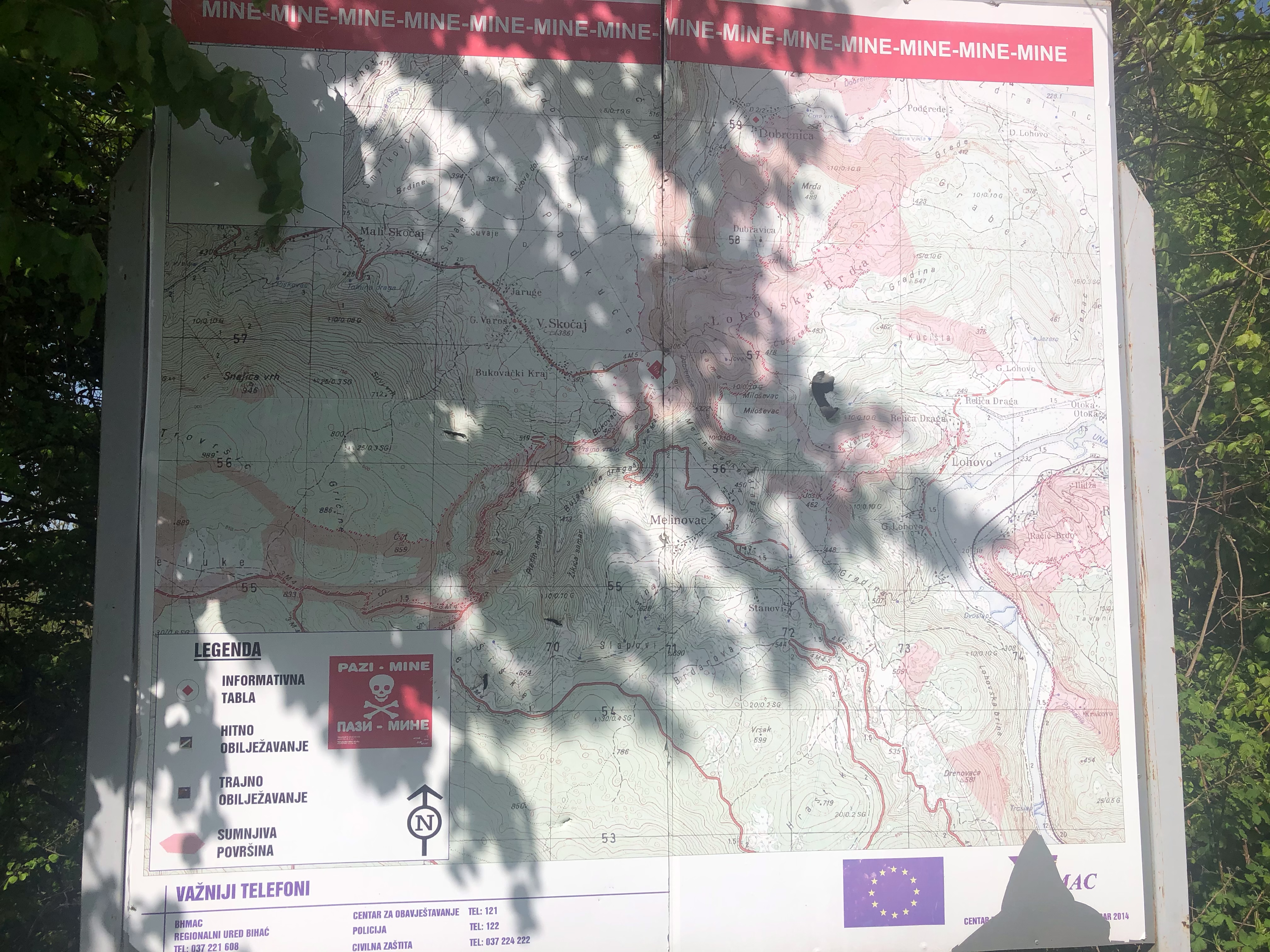
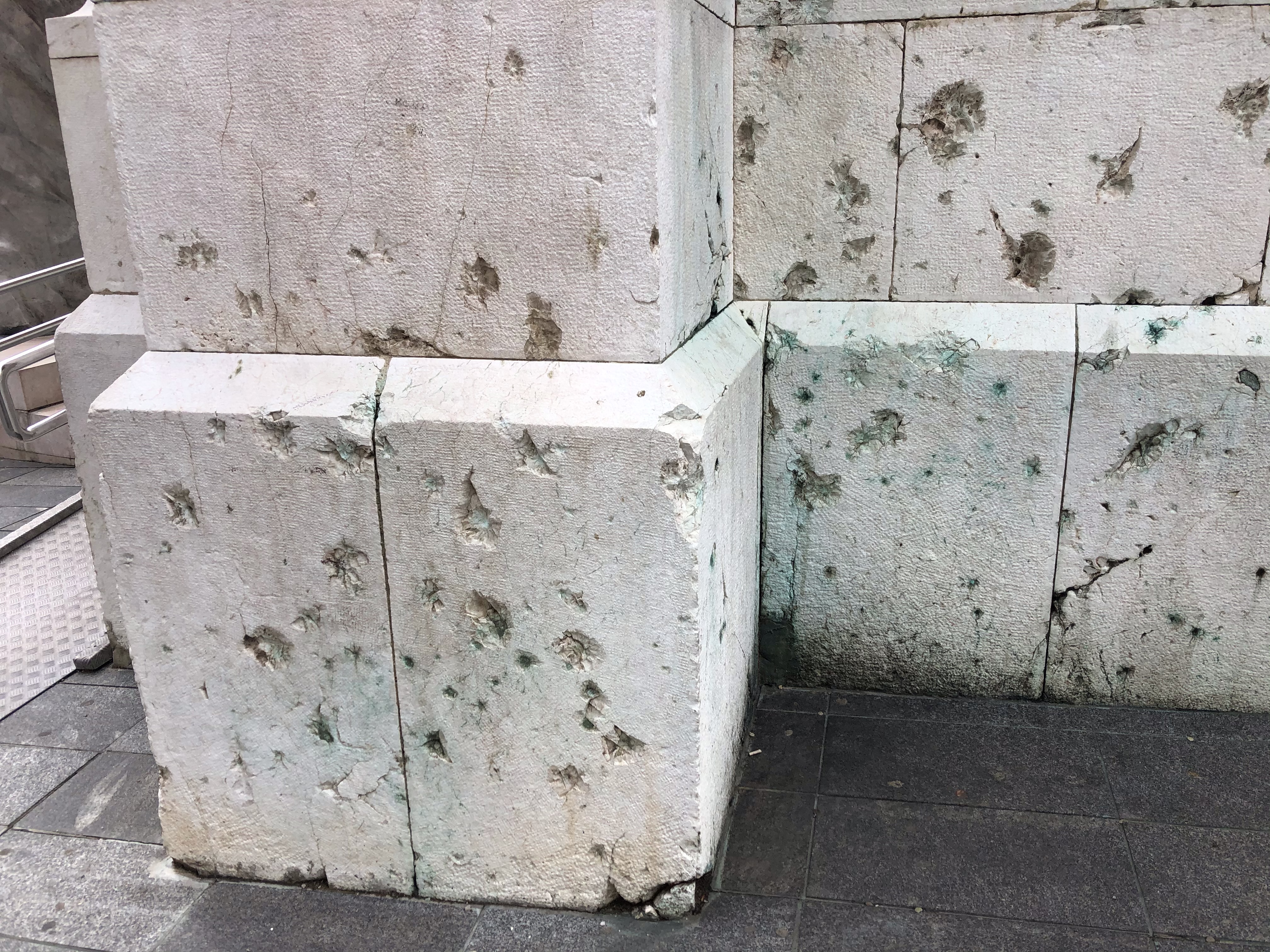
After a few days exploring the coast and the mountains of Montenegro we headed back into Bosnia for the third time. We had already been to Bihac which is just over the border near Plitvice Lakes. Here we first saw evidence of the wars that occurred in the former Yugoslavian states in the 90’s. Buildings with bullet marks and shell holes were abundant on both sides of the border and there were warnings of land mines in the hills, but this was nothing compared to what we would see later in Mostar and Sarajevo. We also saw refugees here from Pakistan trying to cross over the hills into Croatia. Bihac seems to be like a way station for them, which explains the heavy police presence on the Croatian side and the frustrating border crossings.

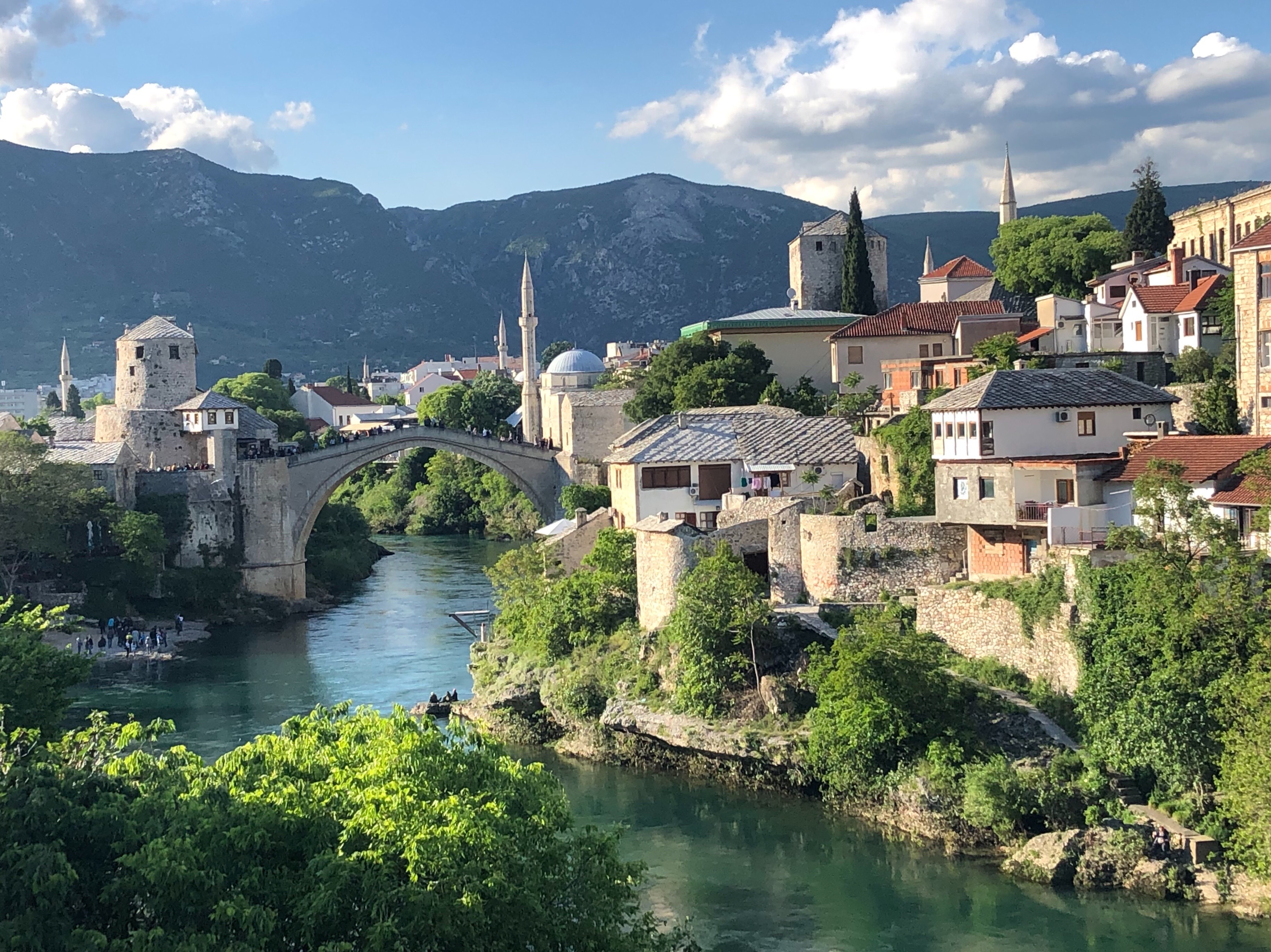
Mostar is a very interesting town. The old town feels more Asian than European, and again evidence of the war in the 90’s is everywhere as if it only happened a year or so ago and they haven’t got round to clearing up the mess yet. A local told me that it isn’t as simple us just demolishing or fixing up damaged buildings though. There is still disputed ownership over some buildings, and as for public buildings, the government doesn’t have the funds. The old bridge, originally built in 1557 has been rebuilt after it collapsed in 1993 after being shelled. The funding for this came internationally though and original stones were recovered from the riverbed and it was rebuilt to its original form. It is pretty impressive.

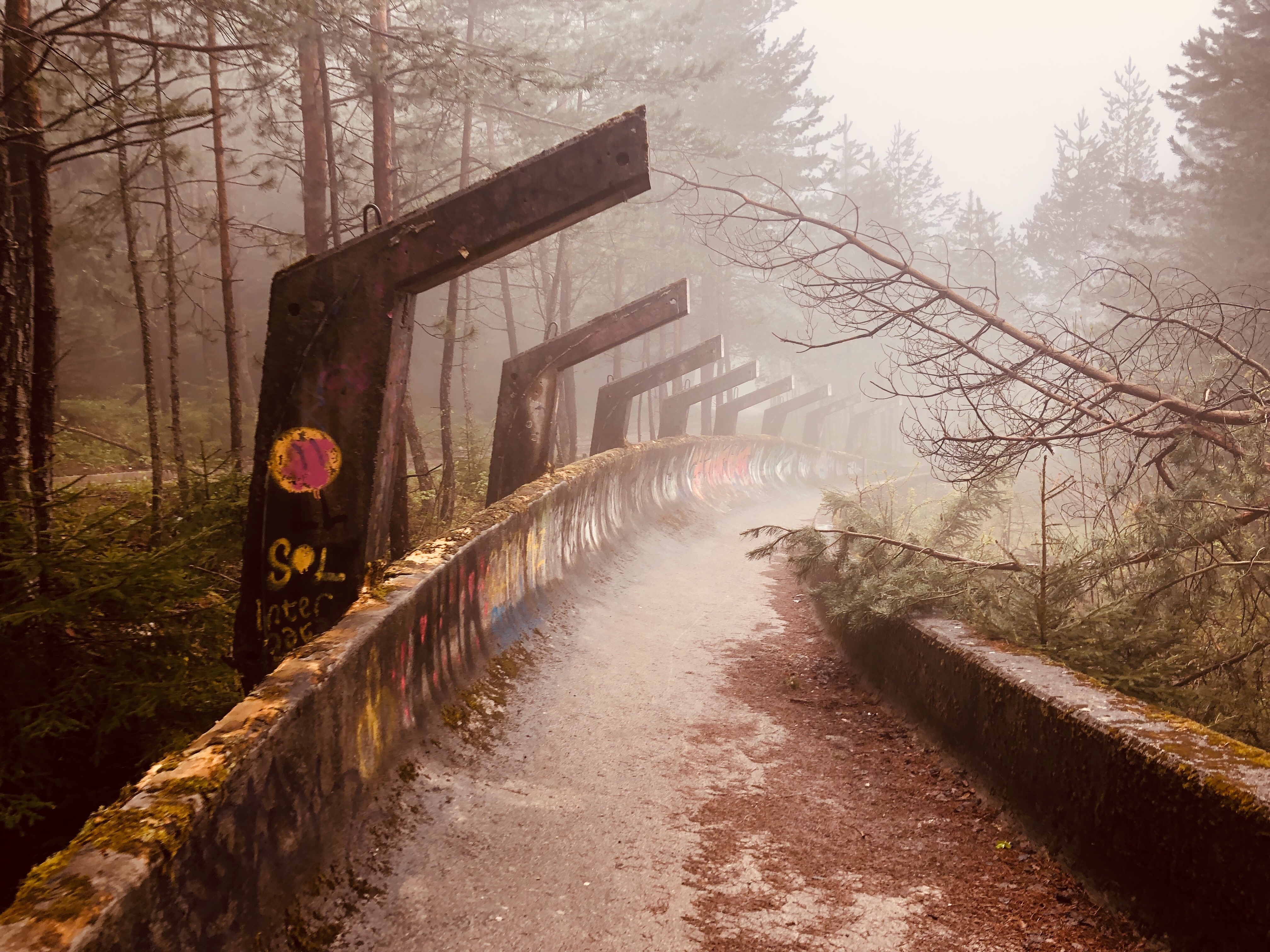
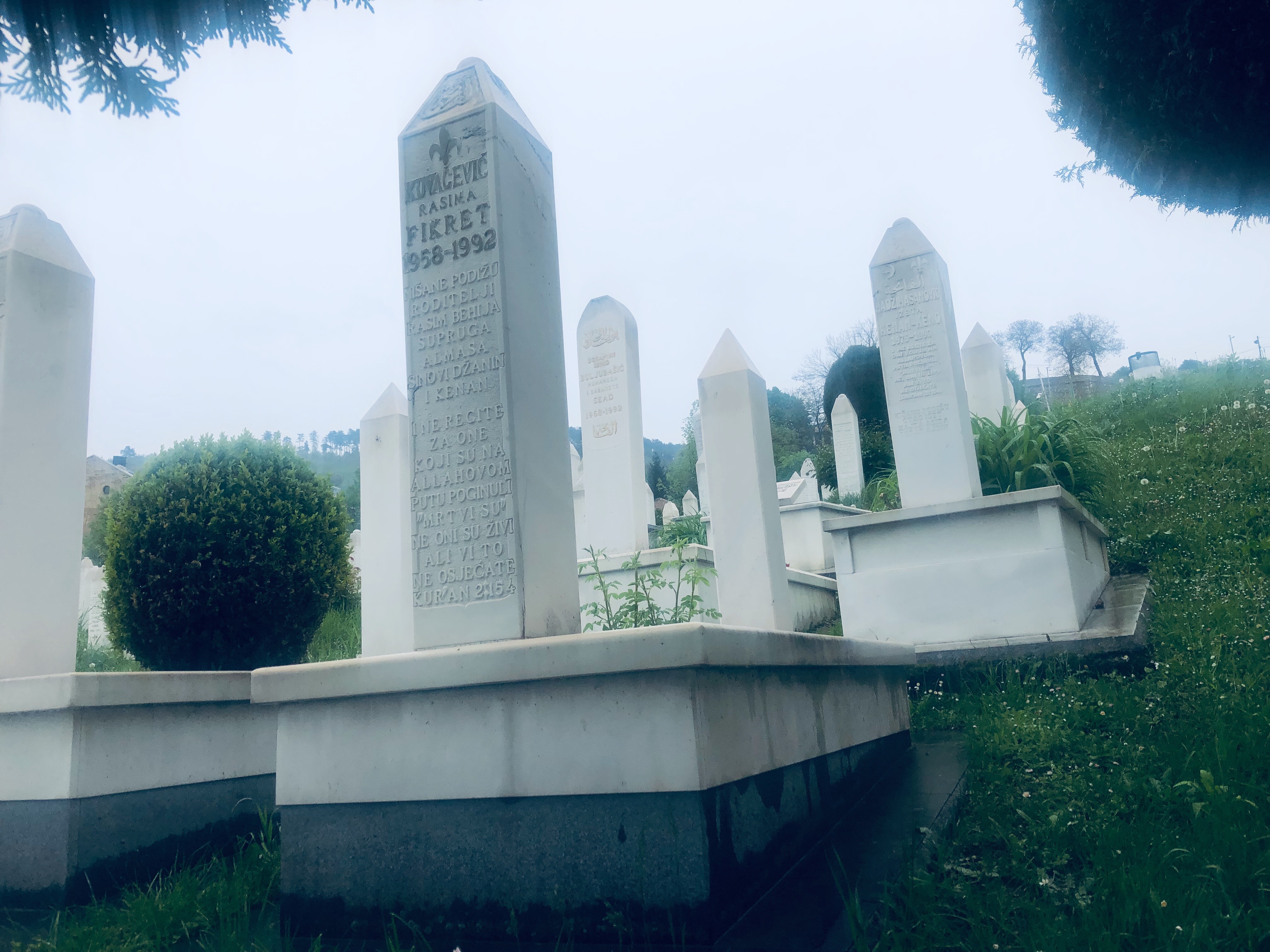
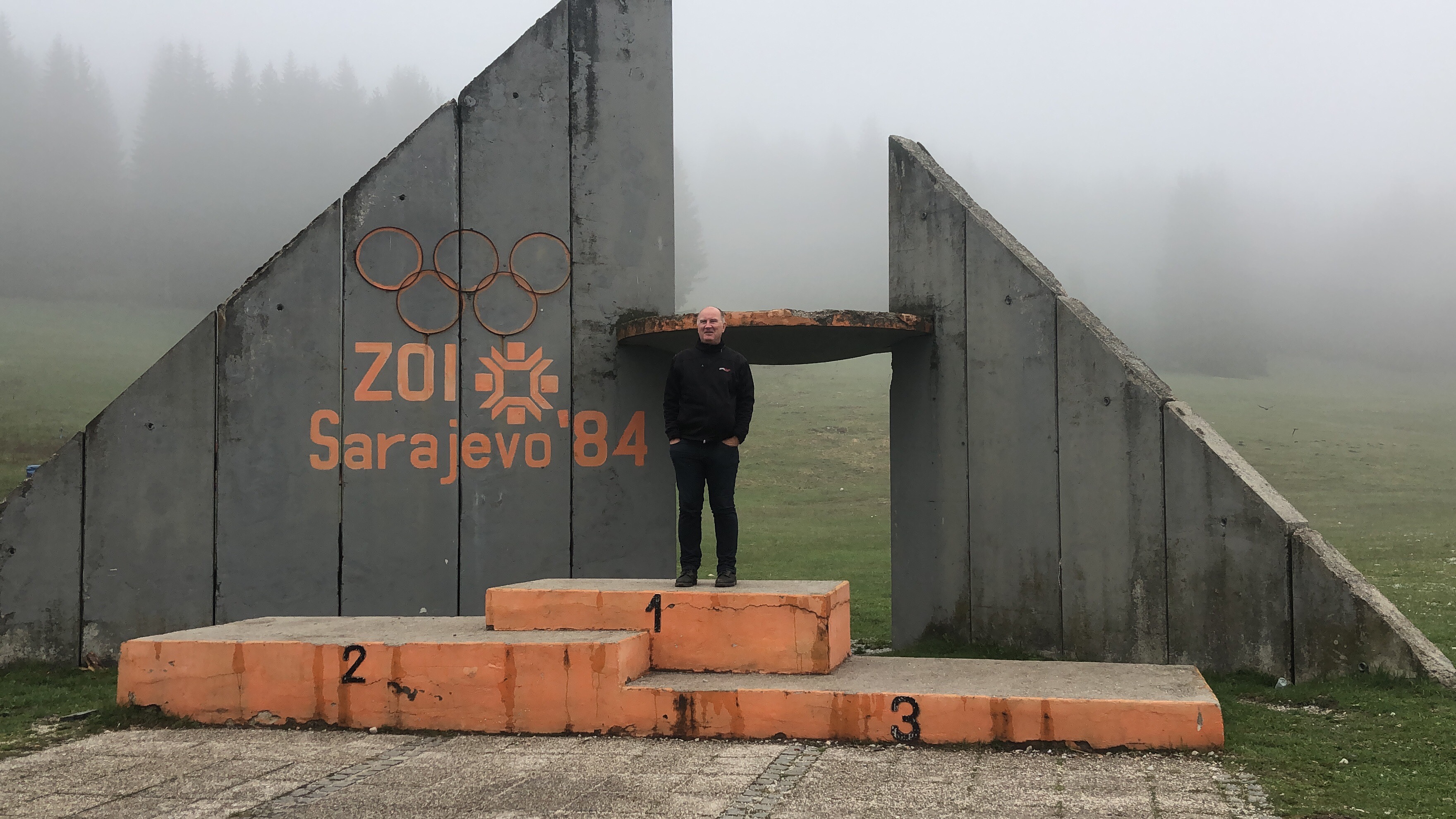
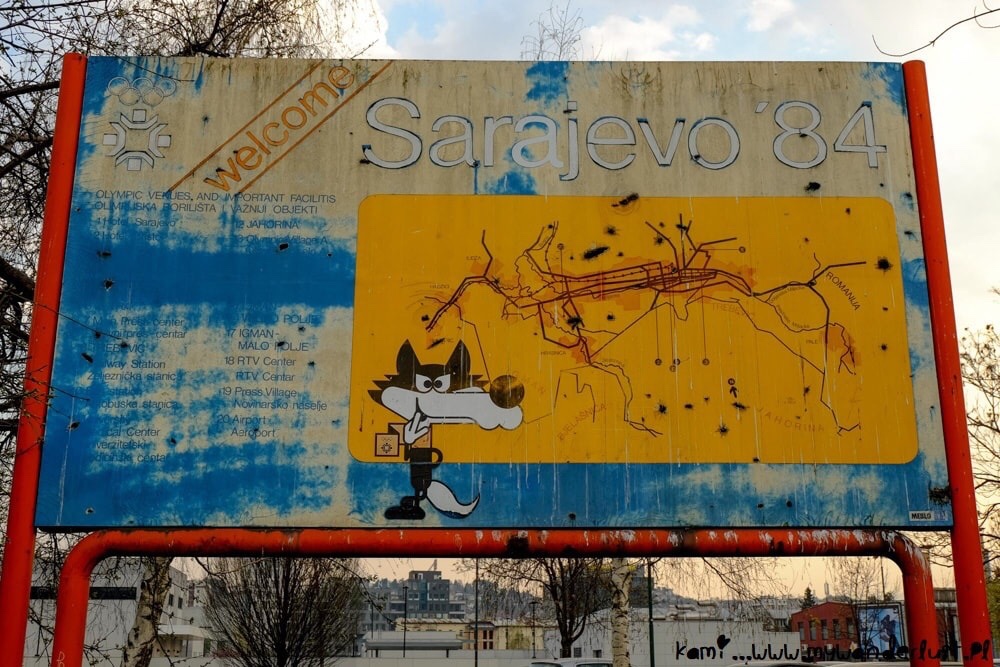
Of all the cities that we visited on this leg of the trip, I think that Sarajevo will have the most lasting impact on me. To me, Sarajevo is famous for three events. It’s where the event that started World War I happened, the assassination of Archduke Franz Ferdinand. It is the home of the 84 Winter Olympics where Torvill and Dean famously won gold in the ice dancing with a perfect score. And it is the site of a siege that lasted for almost four years between 1992 and 1996. What a history. The last two I remember very clearly. The evidence of all of these events is very easy to find. The site where Gavrillo Princip was standing when he fired the shots that killed Ferdinand and his wife Sofie is clearly marked with a plaque and a collection of photographs on the outside of the museum on the corner of the street. Most of the Olympic venues are still there and there is an Olympic museum full of memorabilia at the ice area which was rebuilt after being destroyed in the war. We also visited the old bob sleigh track, ski jump venue and stadium while we were there. And as for the siege, well the evidence of this is very moving and even quite distressing. The bob sleigh track was used as a sniper hang out and artillery position.

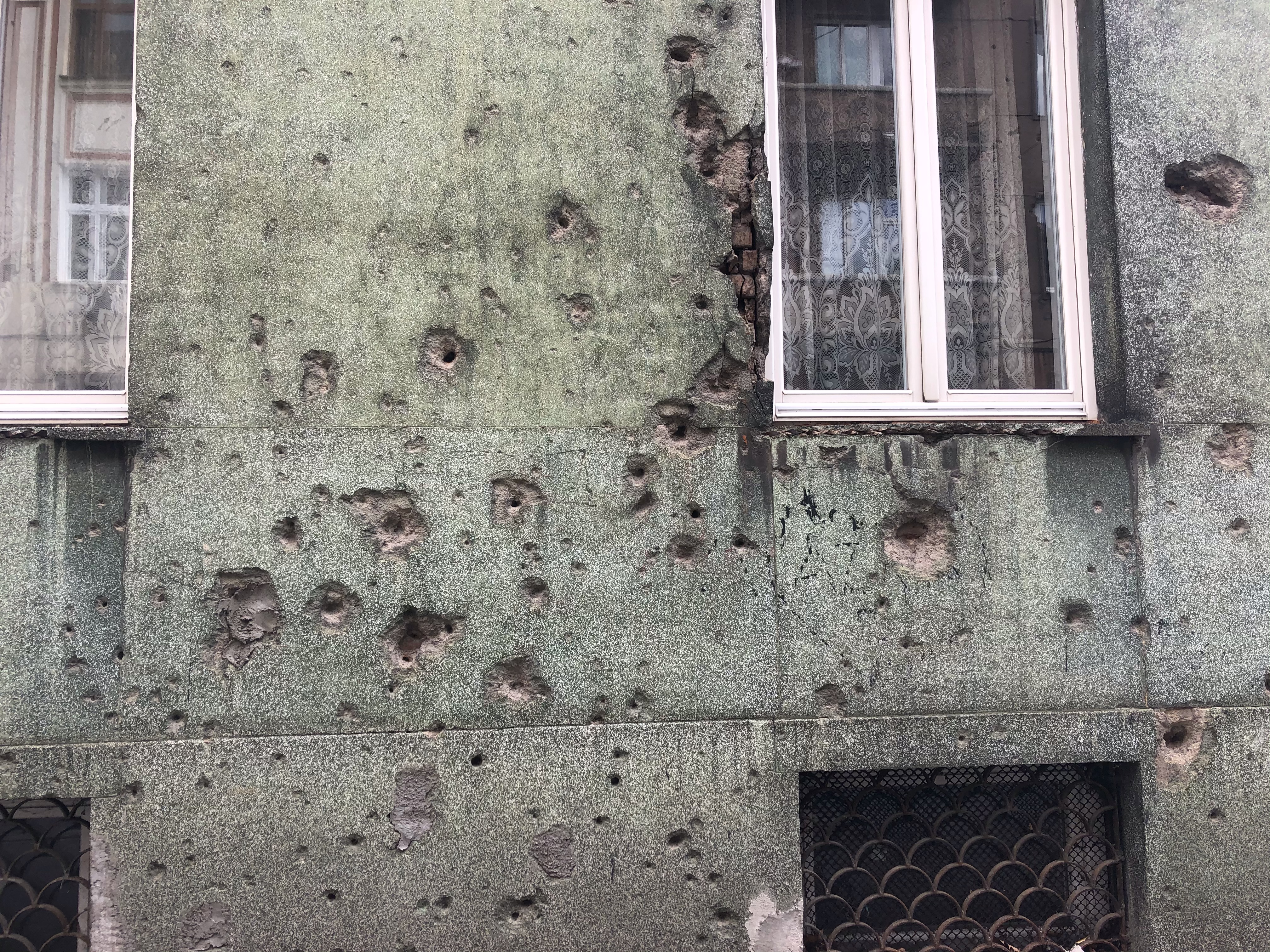
We visited one of the many museums in town that tell the story of the siege. Because this happened in the 90’s the photographs and video clips are clear and colour and very real, unlike exhibits from WWII. You can then walk the same streets and see the evidence of where these events occurred. Bullet holes in buildings, grave markers, damage on the pavements where shells landed. Many of these have been filled with red resin as a permanent reminder of those that were killed when that shell landed. They are known as the Sarajevo Roses. Such a beautiful city with such a sad history.

Greece next, there a bit of history there too I think, but perhaps a bit less recent that Sarajevo’s.

The Kerala Express

It’s early morning on the Kerala Express and the train is just starting to come to life. I can hear people around me stirring from their bunks and the chaiwala has already been past twice softly calling ‘chai, chai,’. Later in the day this will become a shout, along with the shouts from all the food sellers walking the train. I think I will stop him on his next pass for a cup. I’m not a tea drinker at home but chai here in India is delicious. Steaming hot, sweet and fragrant. I love the way they do it on the street corners. The steaming hot milk gets ladled into a jug, a bit of the boiling spiced tea is added, sugar is added to the glass and then the mixture is poured from jug to glass, glass to jug a few times in a very flamboyant way to mix everything up and take a bit of the heat out so that you can hold it. A bit of showmanship and a nice hot cup of chai all for the equivalent of about $0.20.
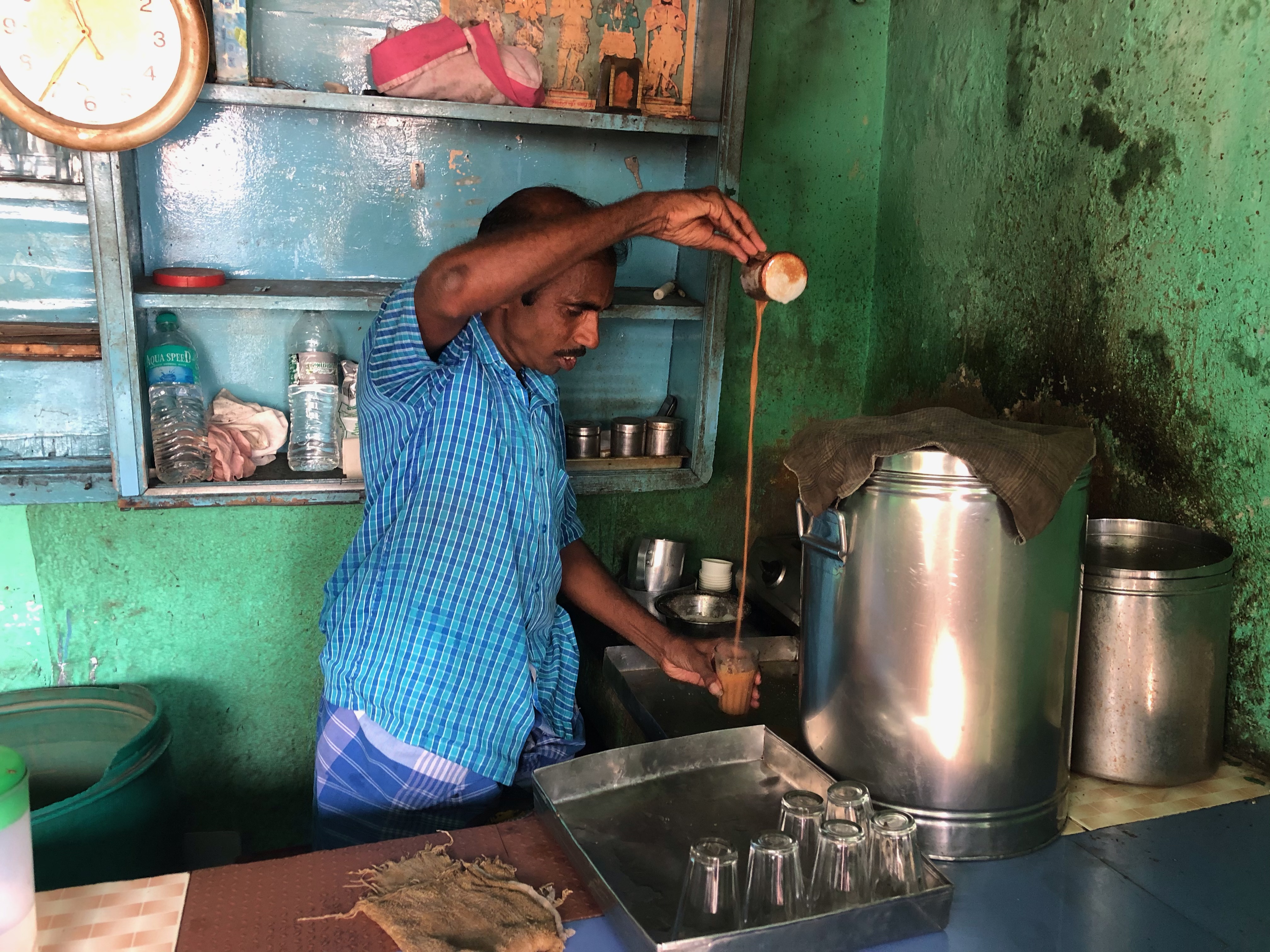
It’s not quite like that on the train obviously. It comes pre mixed in an urn and the chaiwala gives it to you in a paper cup. Some things have changed since I was last in India. It used to be a clay cup that you tossed out the window when you finished. Perhaps paper is more environmentally friendly but considering the meals still come in foil dishes that get tossed out the window I am guessing that a little paper cup is cheaper than a clay one.

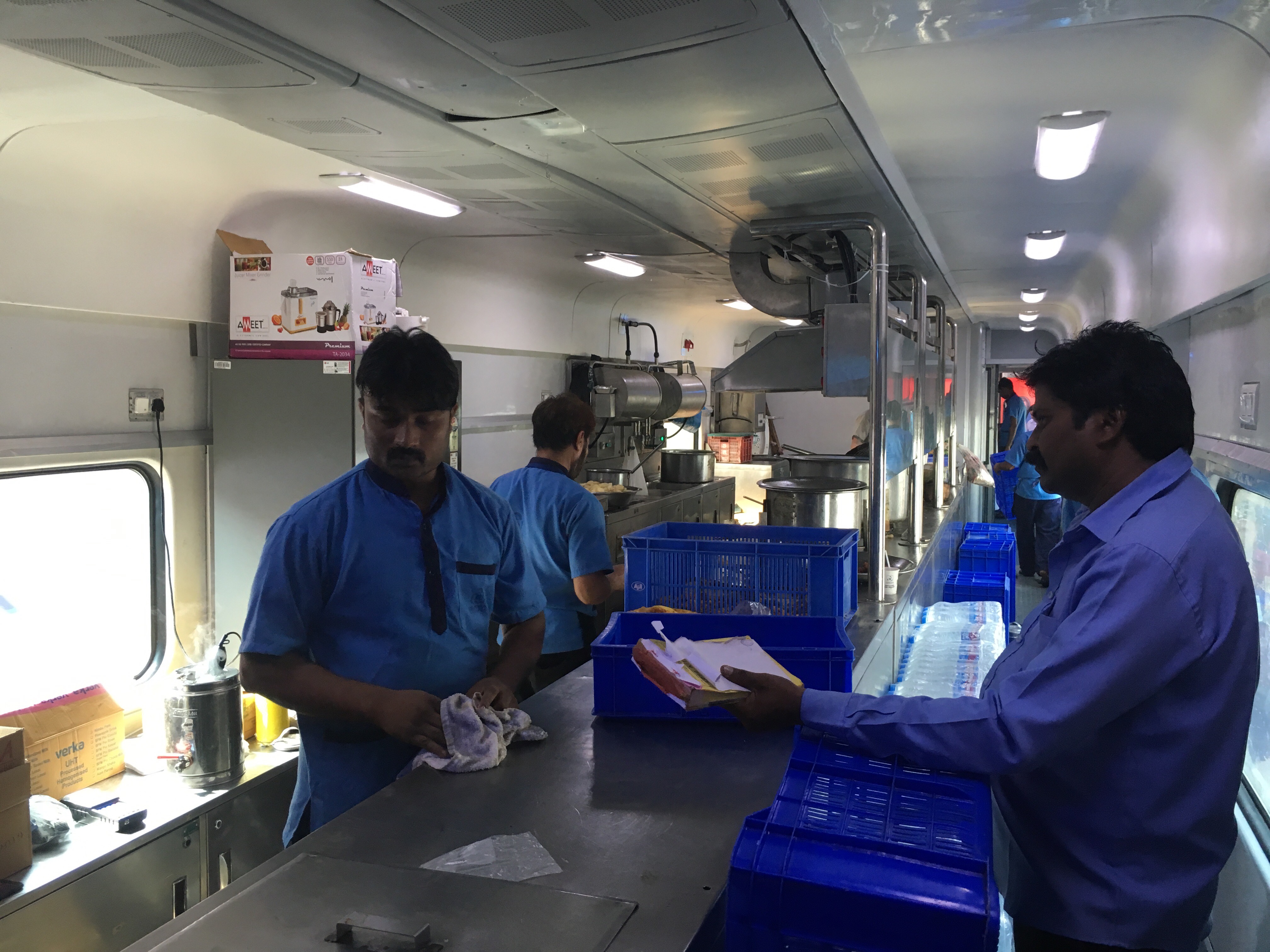
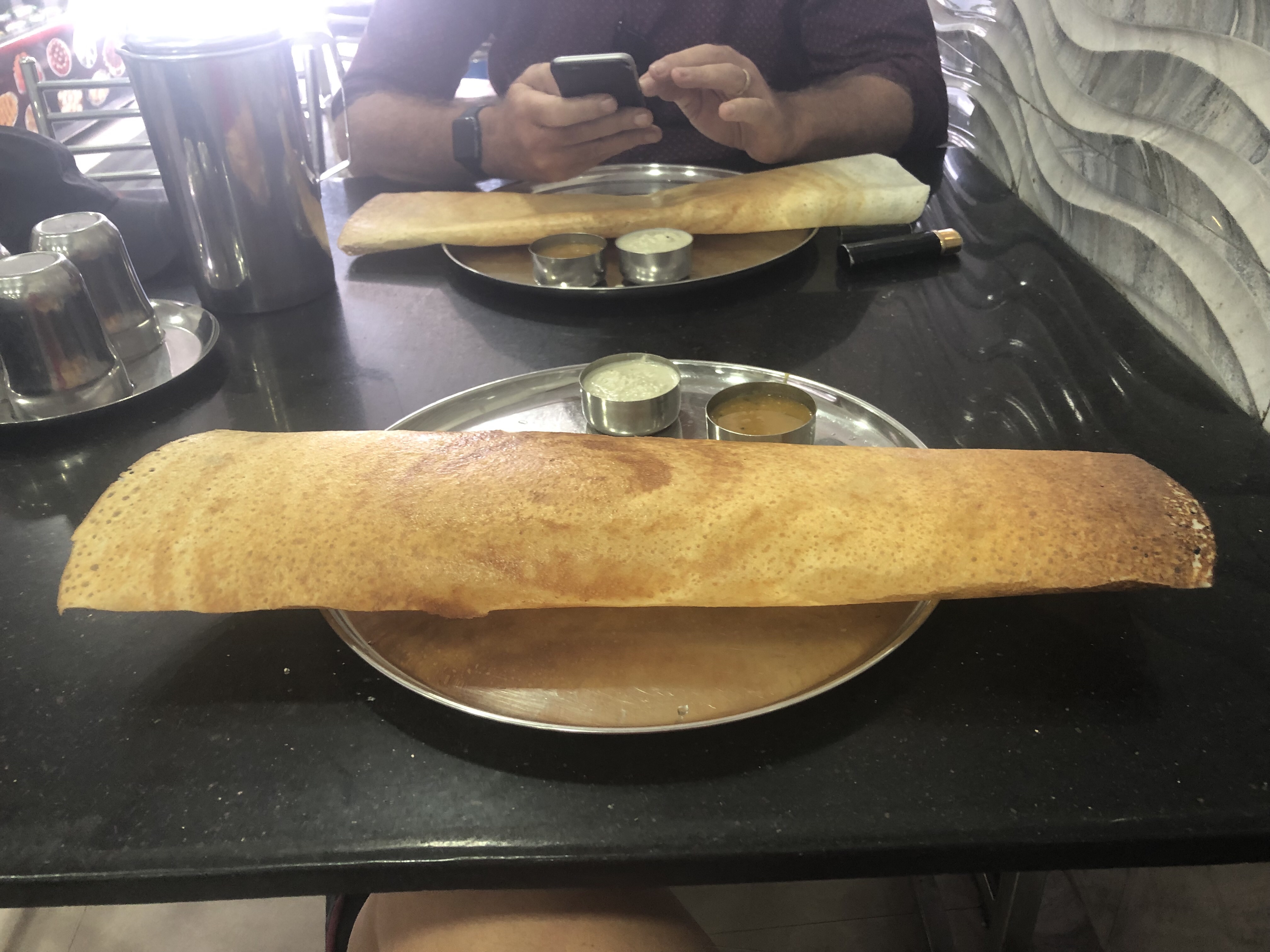
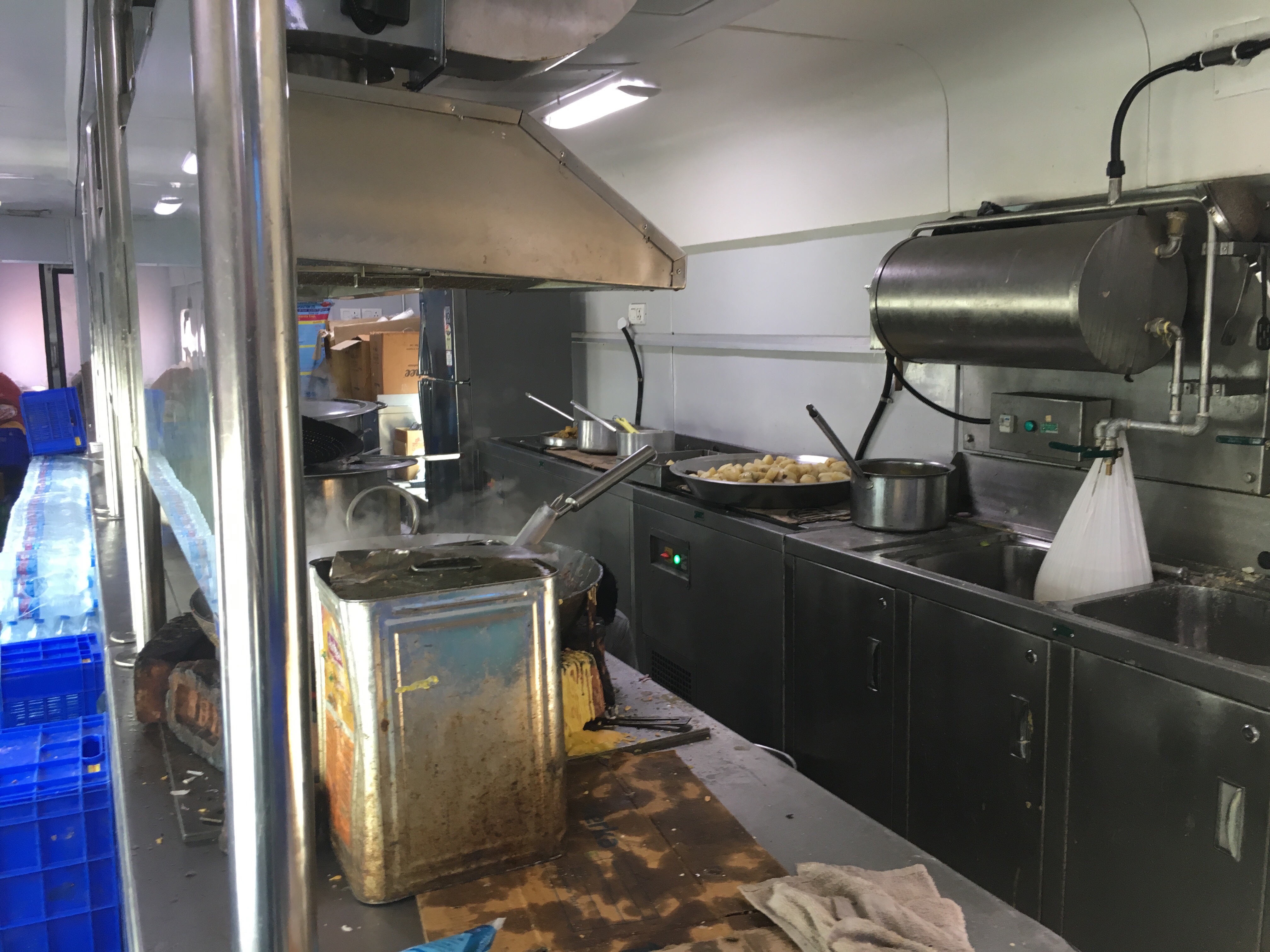
Last nights meal was awesome. For 100 rupees each (abut $2.00), we got rice, dhal, veggie curry, paneer, a couple of parottas, mango pickle and fresh yoghurt. Hot and tasty. I hope breakfast is as good but I doubt that they can do a dosa anywhere near as nice as some we have had for breakfast in Kerala. It is actually pretty impressive what does come out of the buffet car on the trains though. On this one you can actually walk past the open kitchen and see it all going on. Everything is made from scratch and you have to step over bags of potatoes, rice and other provisions to get to the next car. They need a lot of stuff to keep everyone fed and watered. This train has 24 carriages, all sleepers, and takes more than two days and two nights days to get from source to destination.
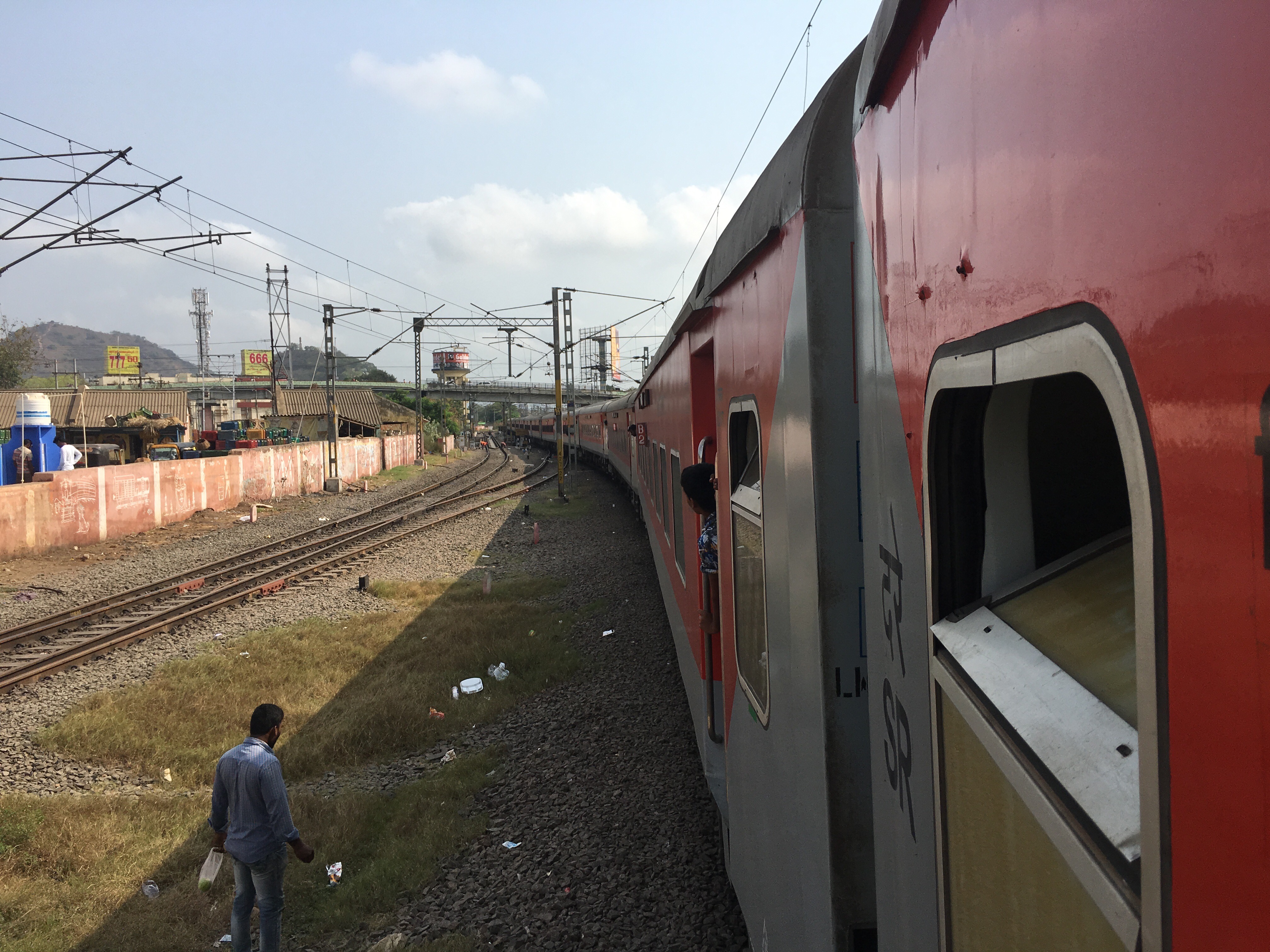
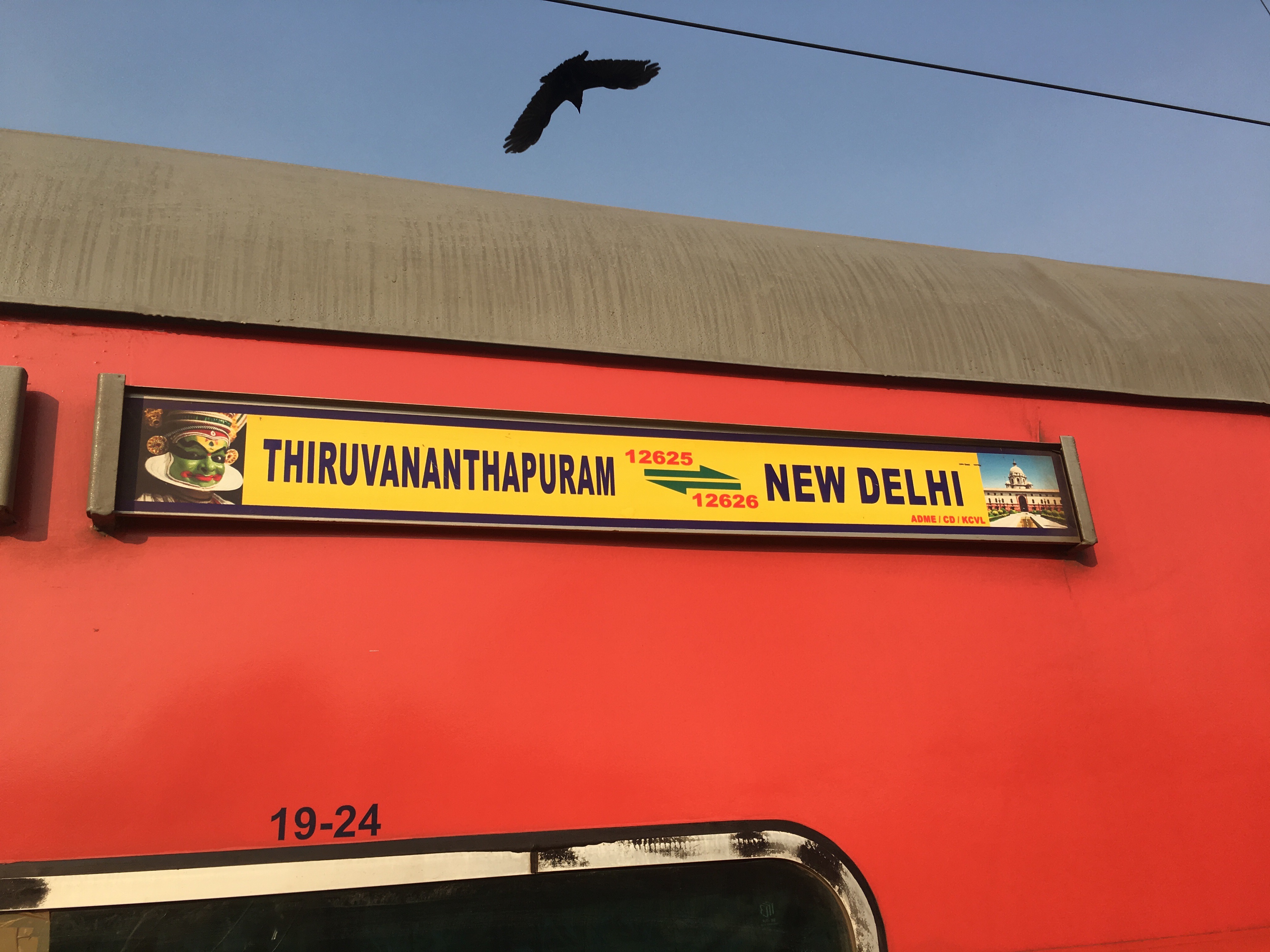
The Kerala Express runs from Thiruvananthapuram all the way to New Delhi in northern India (and vice versa). A journey of some 3,028 kilometres taking over 50 hours. Thiruvananthapuram, fortunately also known as Trivandrum (I can’t even say Thiruvananthapuram), is pretty much right on the southern tip of India in the beautiful state of Kerala, which the Indians like to call ‘ Gods own country’. This could be slightly confusing in a country with multiple gods, but you get the idea. The scenery is different to the rest of India. Kerala has beautiful palm fringed beaches, mountains, national parks harbouring tigers and elephants and beautiful backwaters that stretch for a few hundred kilometres.
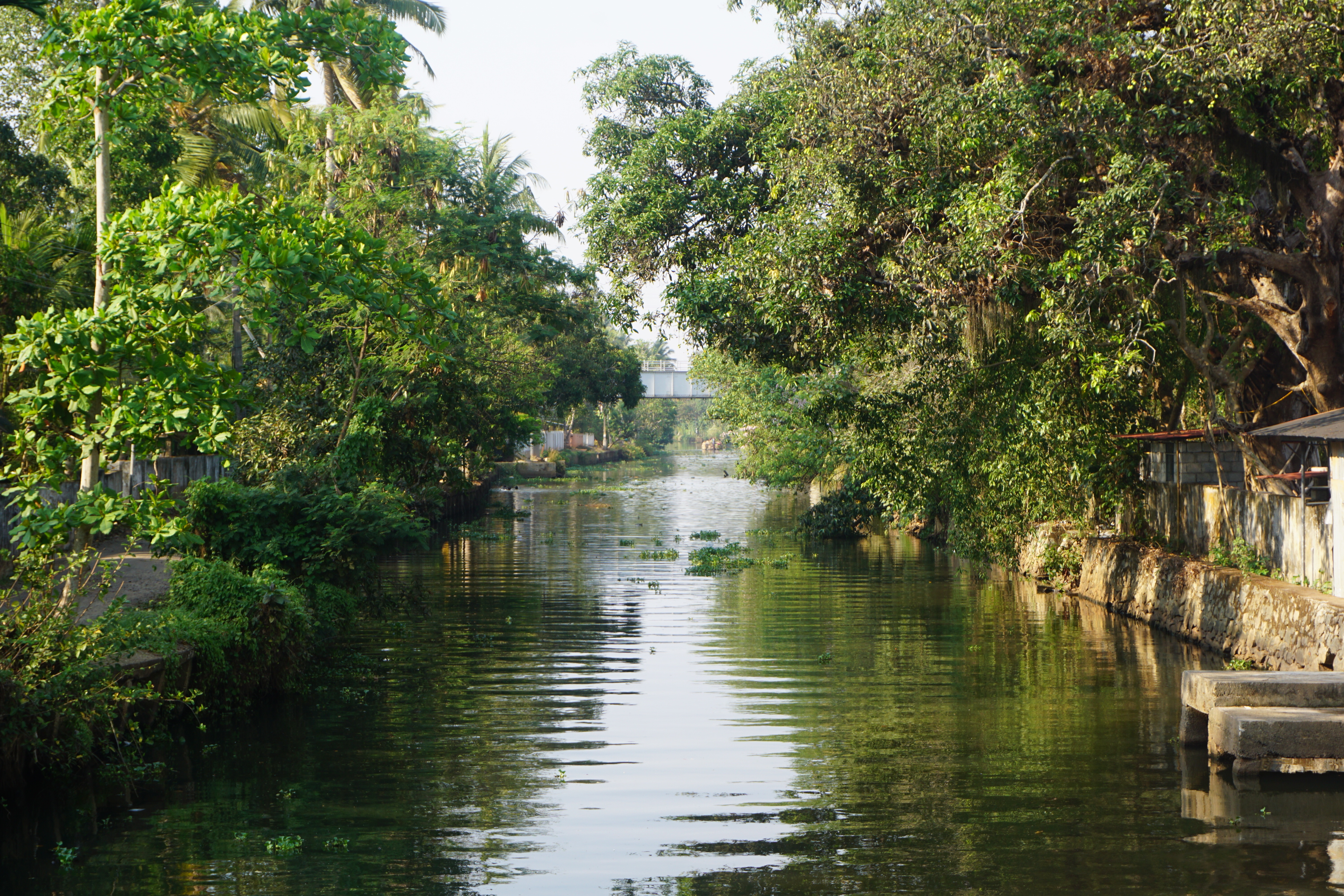
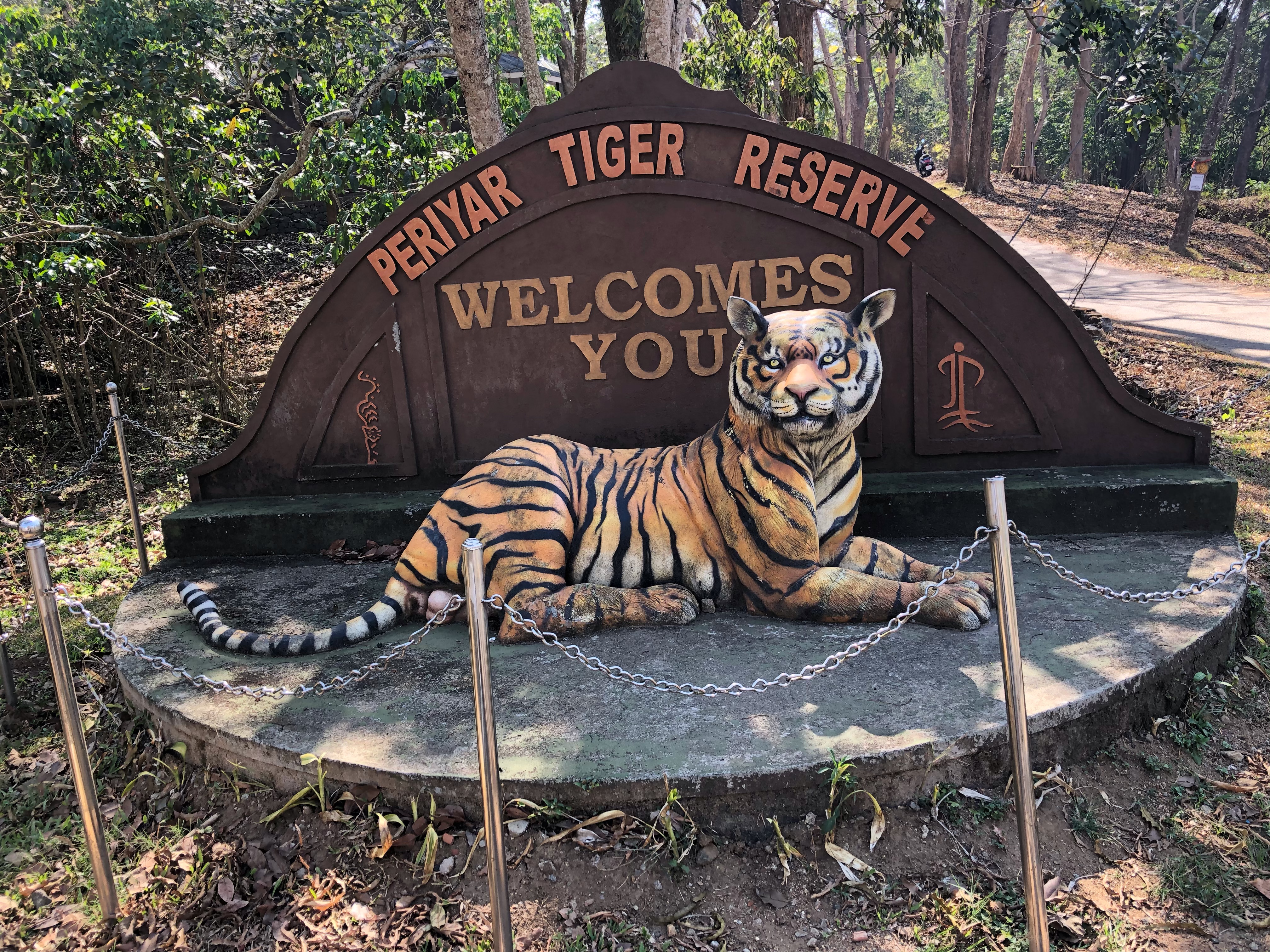
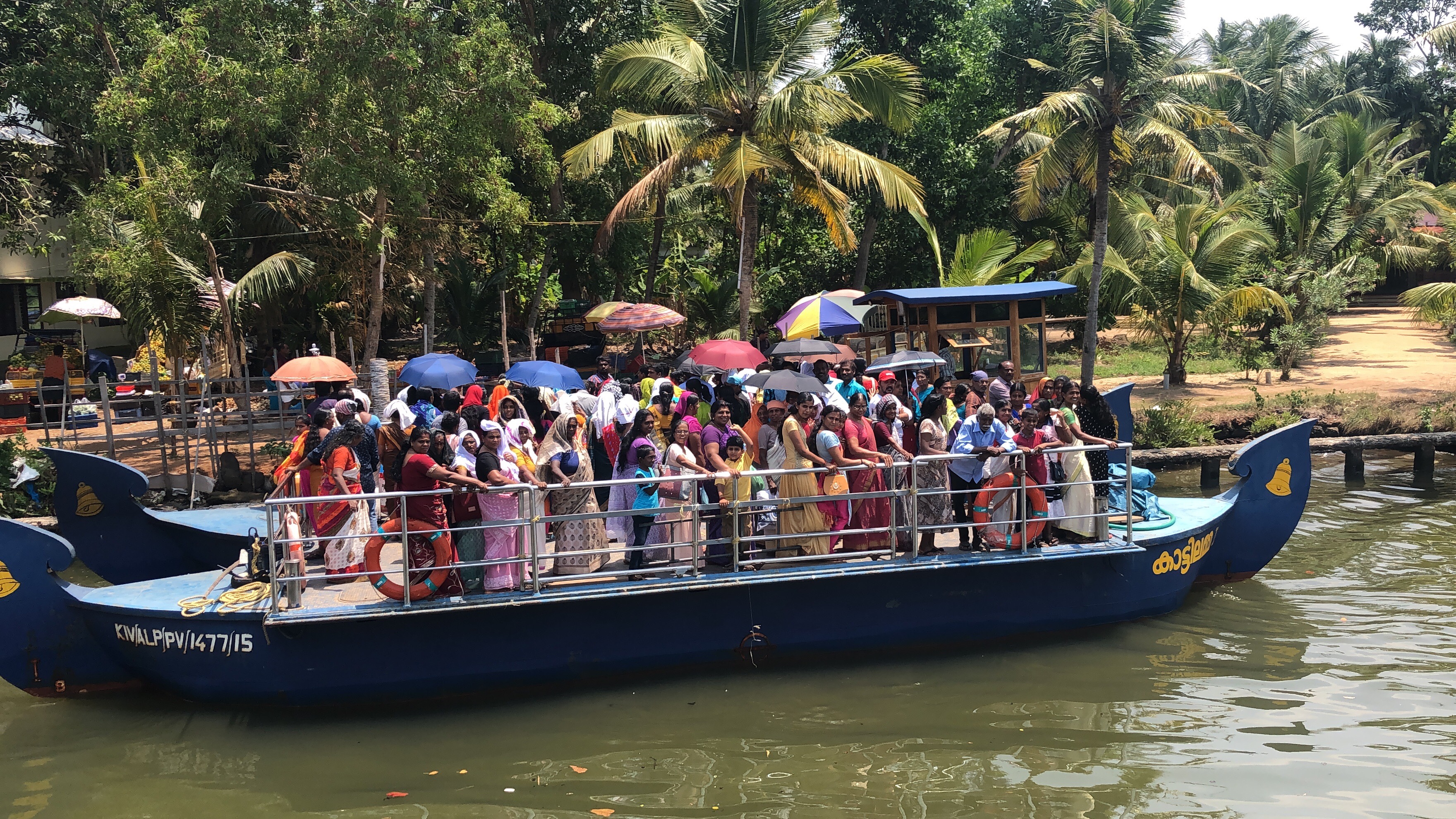
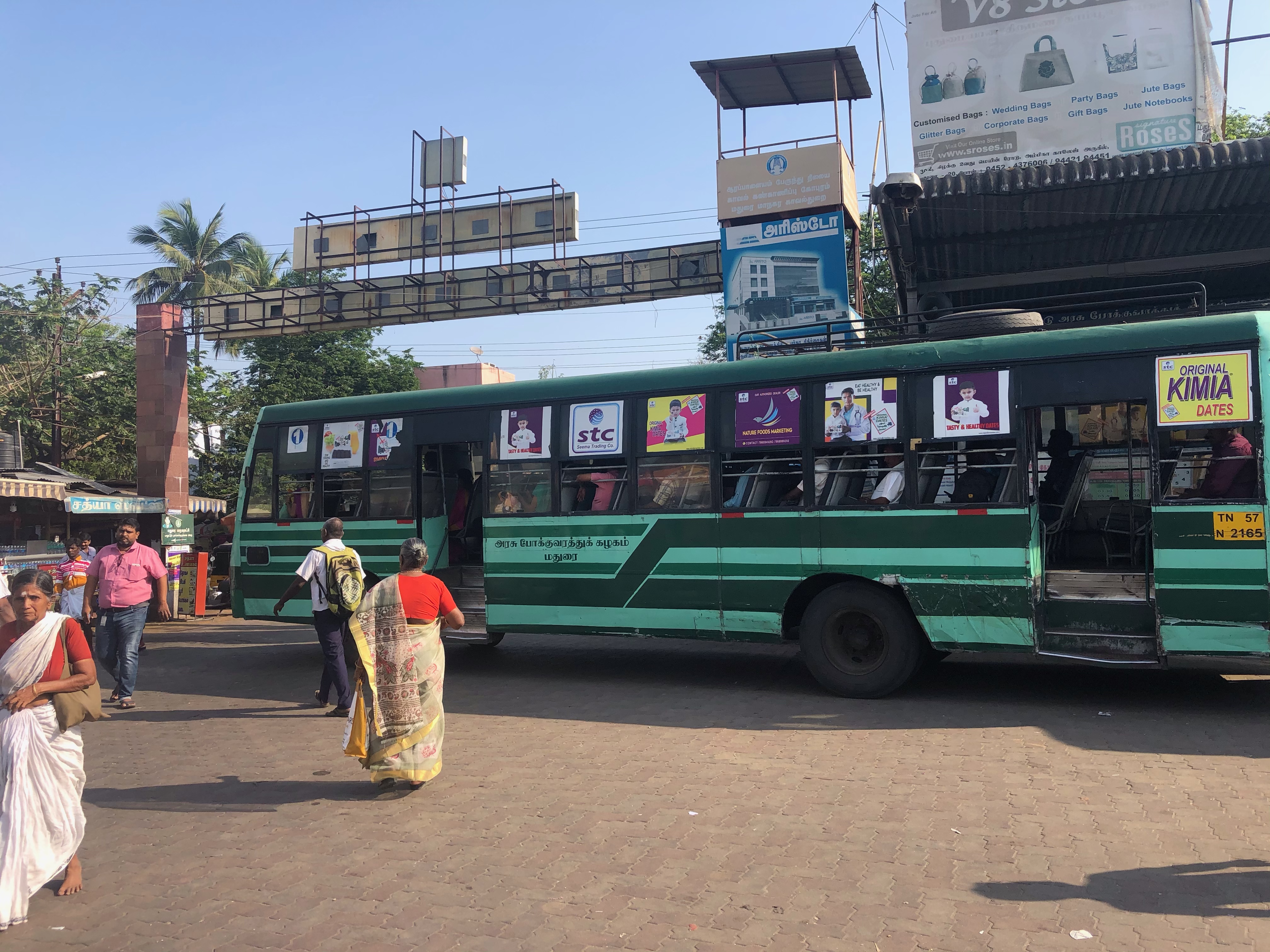
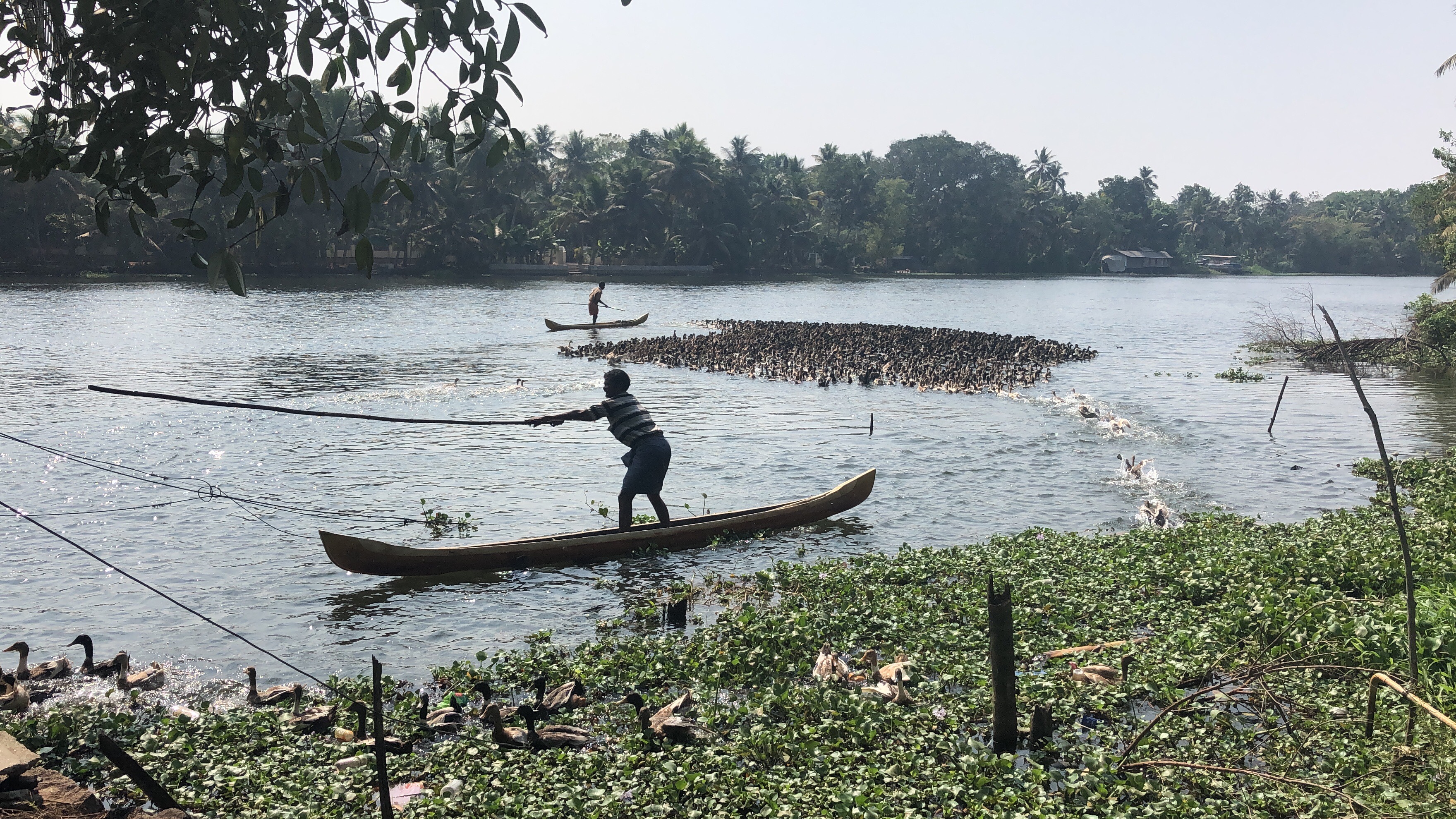
We took a break from trains and buses to travel from Kollam to Alleppey by boat along the backwaters. An eight hour journey covering about 100ks which was far more relaxing than any bus in India could possibly be, although you do start to get used to the latest Bollywood tunes distortedly blaring from crappy speakers whilst sitting on an uncomfortable seat in 35 degree heat with no aircon. Still, what do you expect for the equivalent of about $3.00 for an eight hour bus ride through the winding roads of the Western Ghats? That was almost as beautiful as the scenery on the backwaters boat trip, a far more relaxed side of India that you don’t see in the north. And you don’t get to see ducks being herded everyday. I kid you not, duck herding. Photographic evidence to prove it.
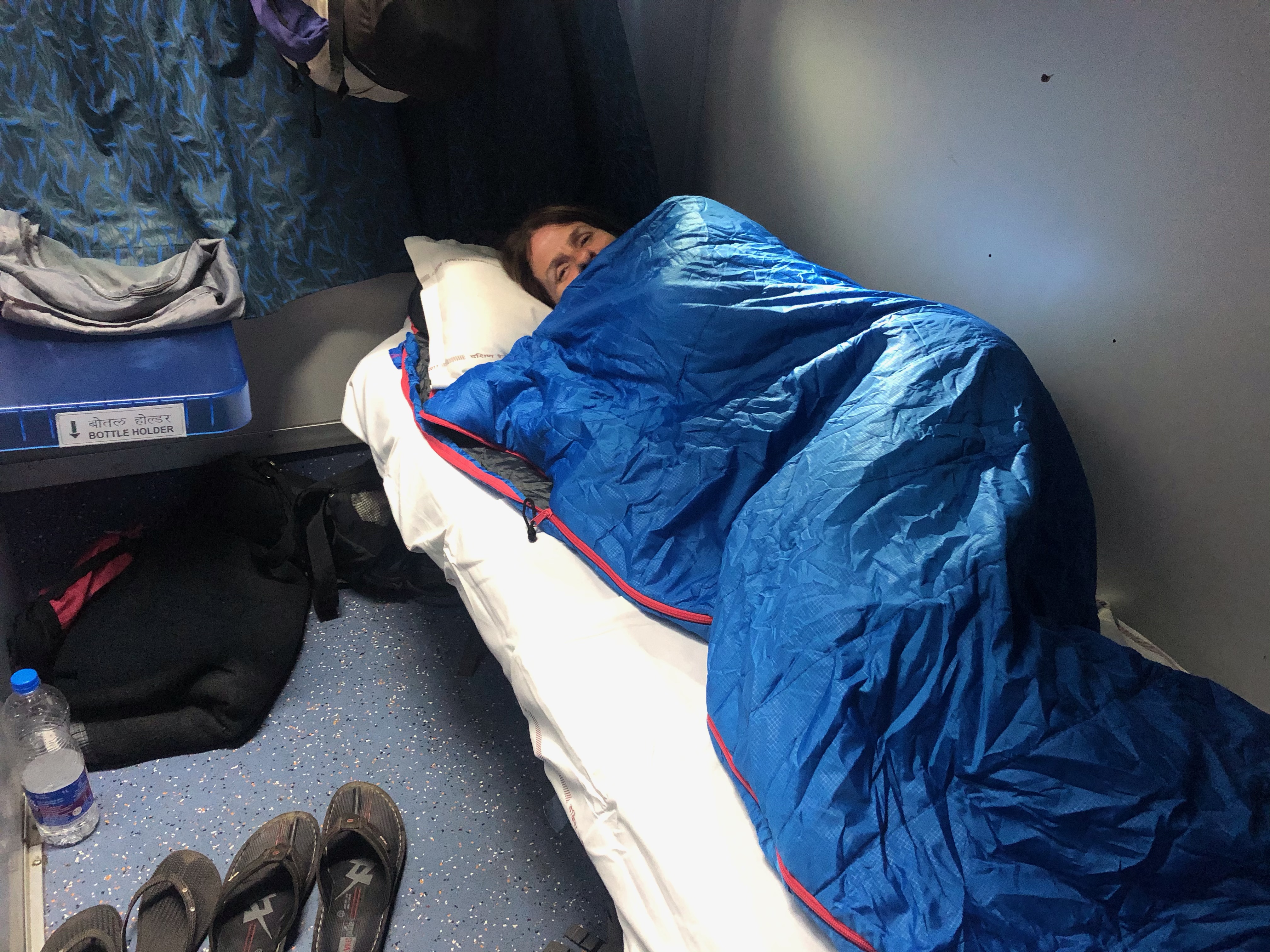
Back to the Kerala express. Ali has now stirred and risen from her lower bunk, so I have been able to climb down from the top to sit with her. For such a long trip we decided to travel in ‘luxury’, and went for the ‘AC 2 tier sleeper’ option. This means that we have our own little area that we can pull a curtain across for some privacy. There is a top bunk and a bottom bunk which doubles as our seat during the day. The other options were the slightly cheaper AC 3 tier sleepers, the much cheaper non aircon 3 tier sleepers (been there, done that, not doing it again), which makes up the majority of the train or the dirt cheap two unreserved carriages. These are still sleeper cars but you don’t get an allocation. First in best dressed with the floor as a second option. These cars are locked off from the rest of the train to prevent the ‘overflow’ spilling into the ‘luxury’ carriages.
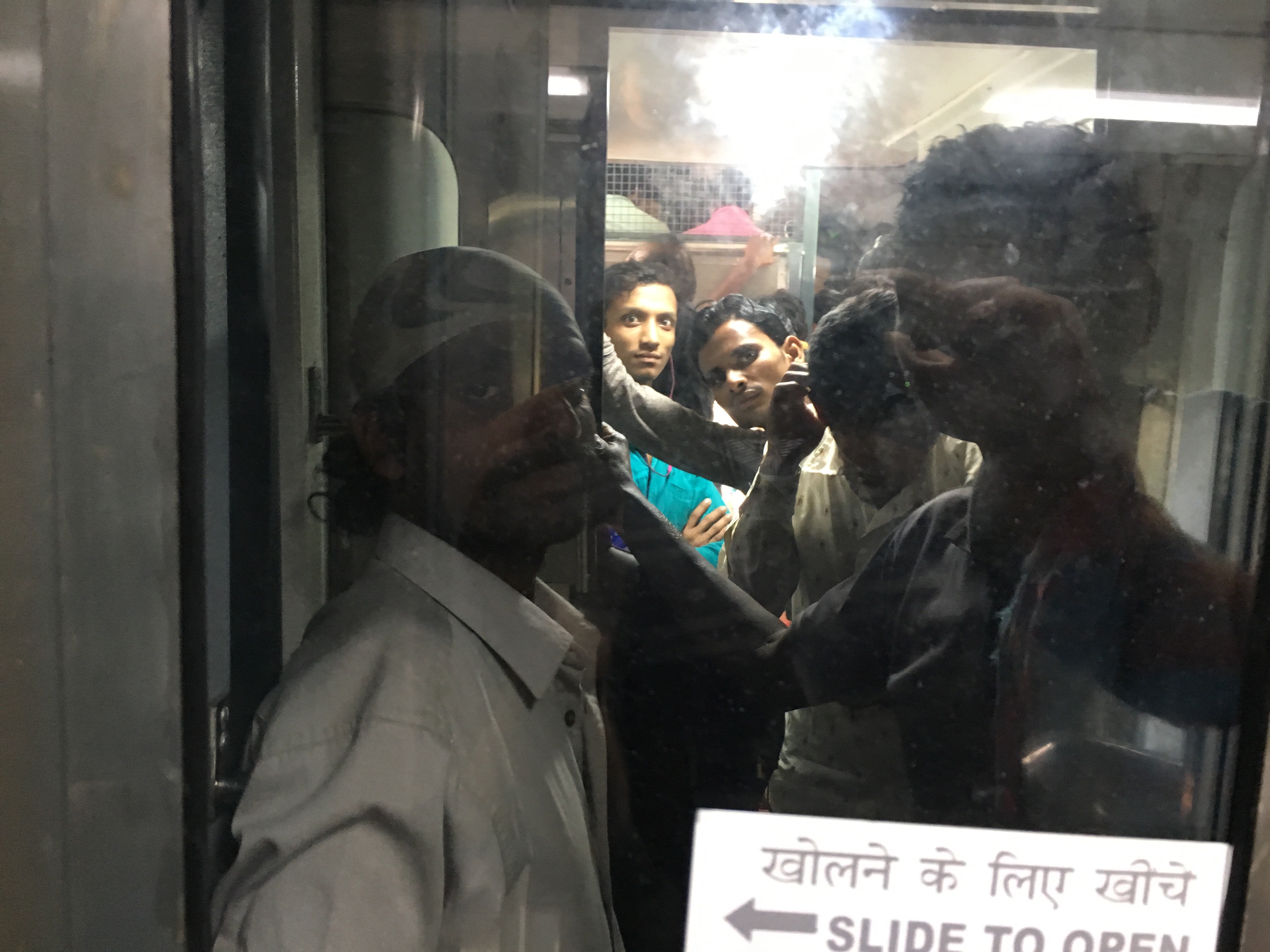
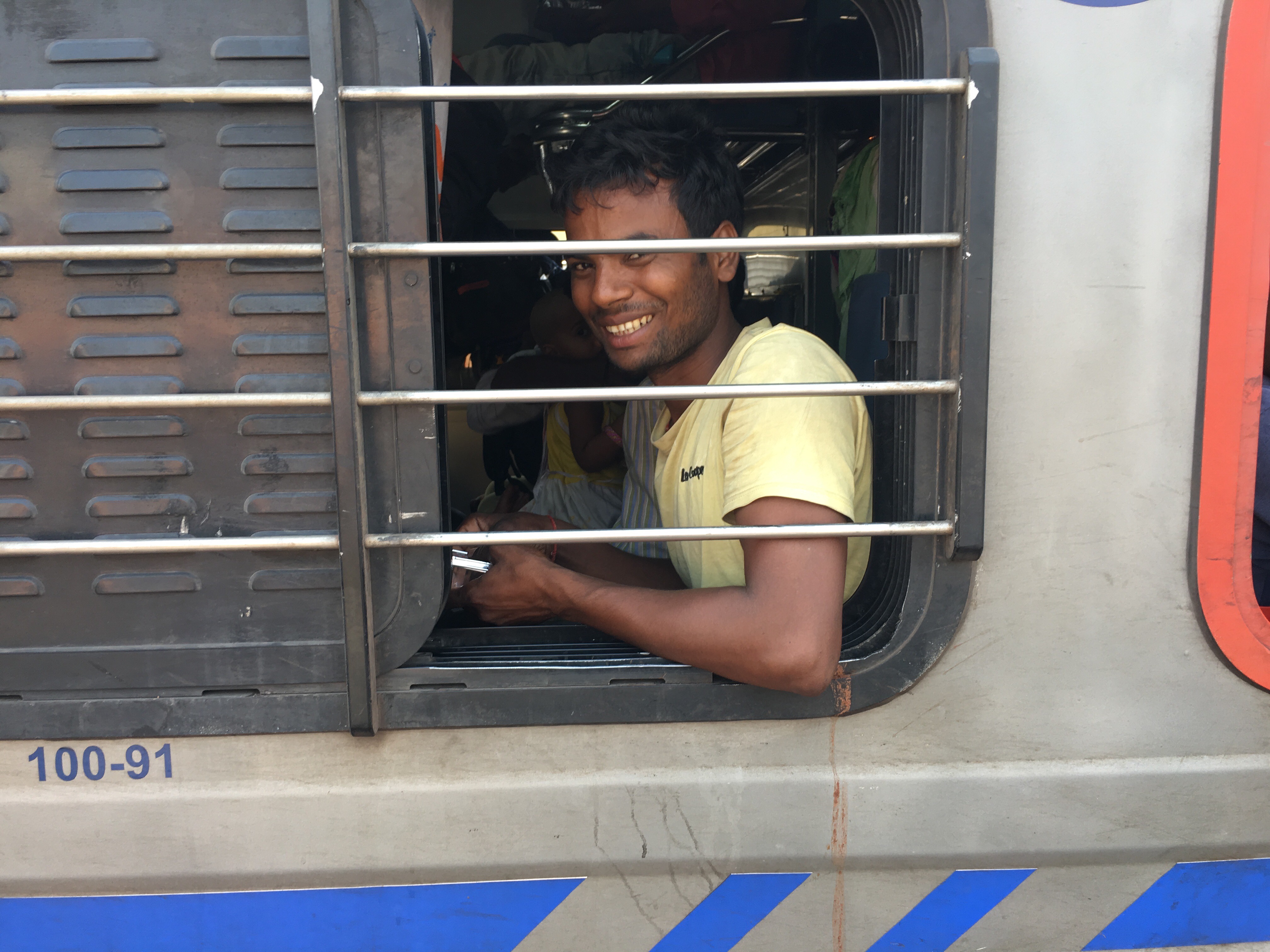
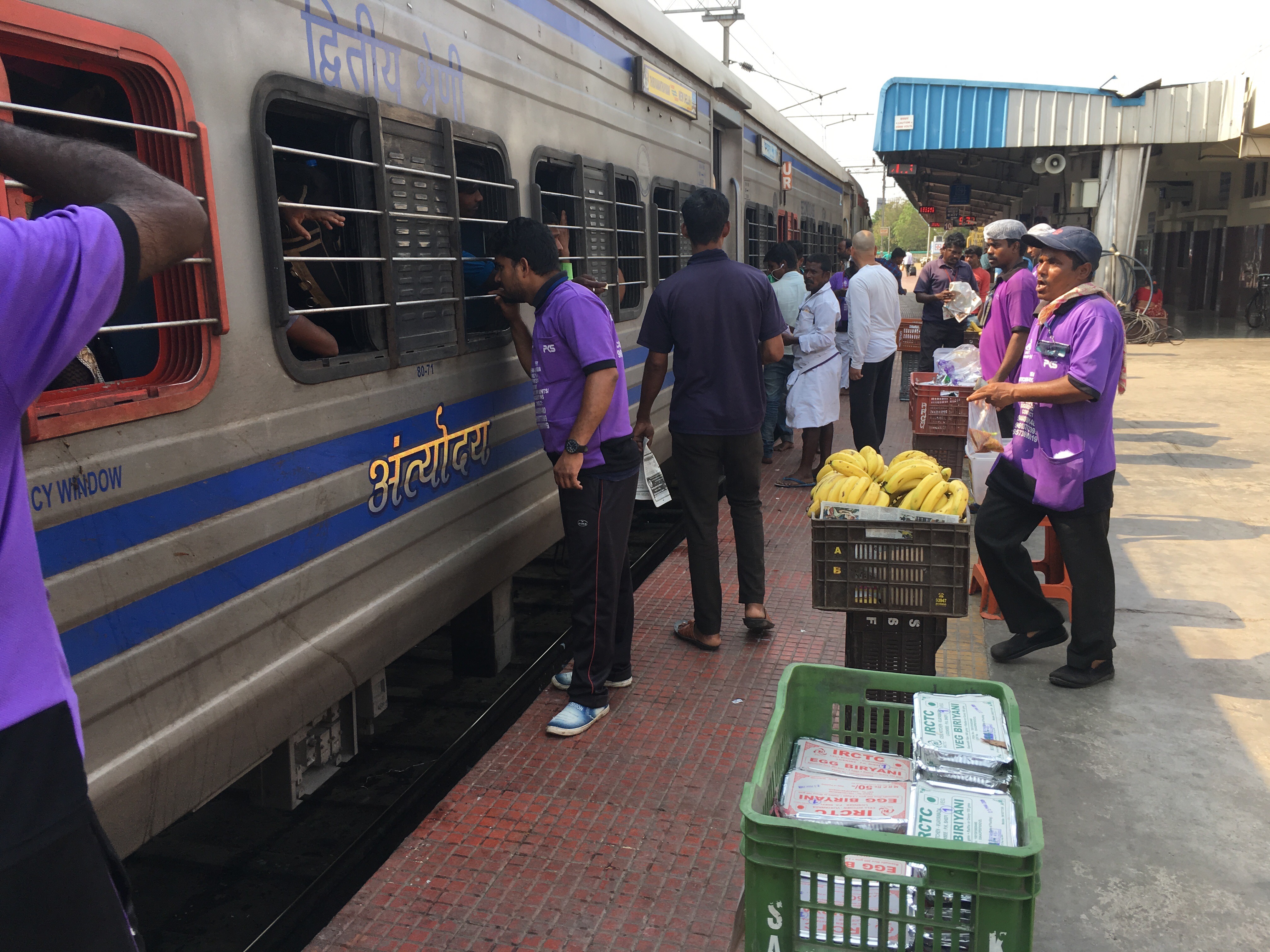
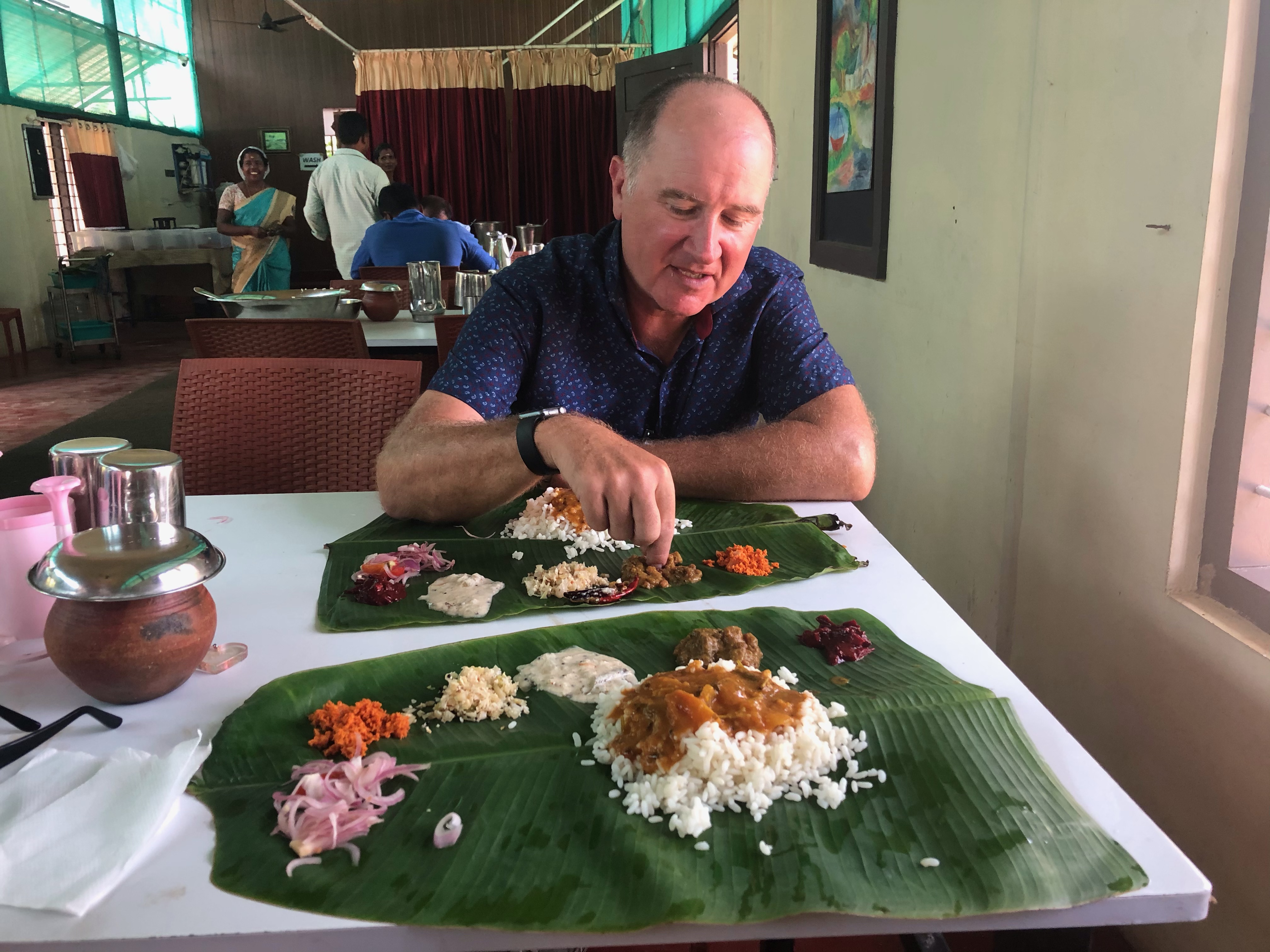
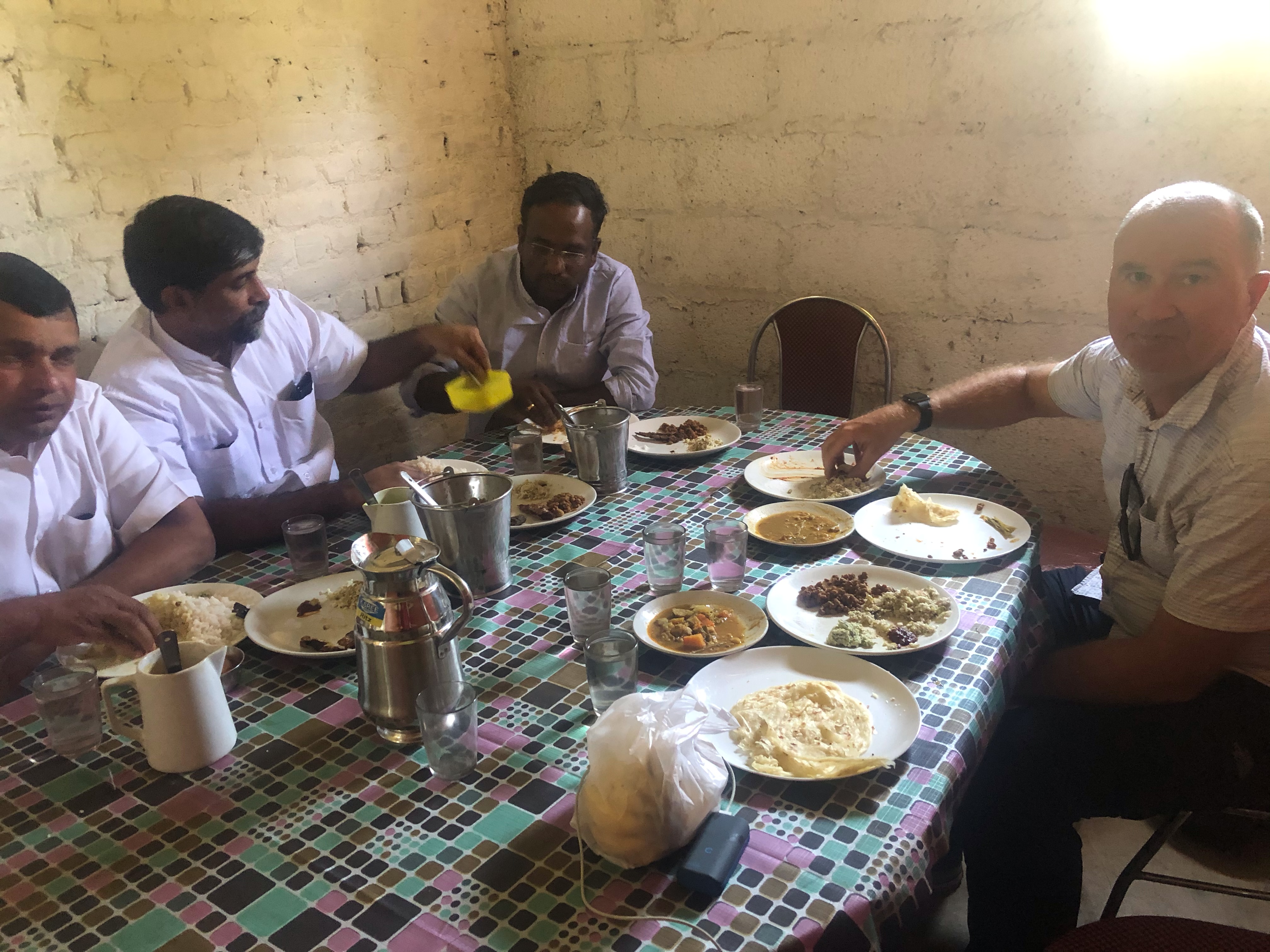
Just had breakfast and a second cup of chai now. Chilli omelette from me and Ali had some iddlys and a vada with curry sauce. Not as good as dinner but for less than $1.00 each you can’t expect gourmet. We have gone vego whilst in southern India. Not for any noble reason really but simply because vegetarian food here is more abundant, tastier, safer and cheaper, and I always believe that eating like the locals do is the way to go when travelling. With a few sensible precautions of course, such as avoiding the tap water and anything that isn’t freshly prepared or served nice and hot. I think my favourite dining experience so far is when we found where the locals eat whilst passing through a little village on a rented scooter. We went in, got served a ‘South Indian meal’ on a banana leaf, got treated like celebrities including having to do selfies with the locals, and got charged 50 rupees ($1) for a full belly and a wonderful experience.
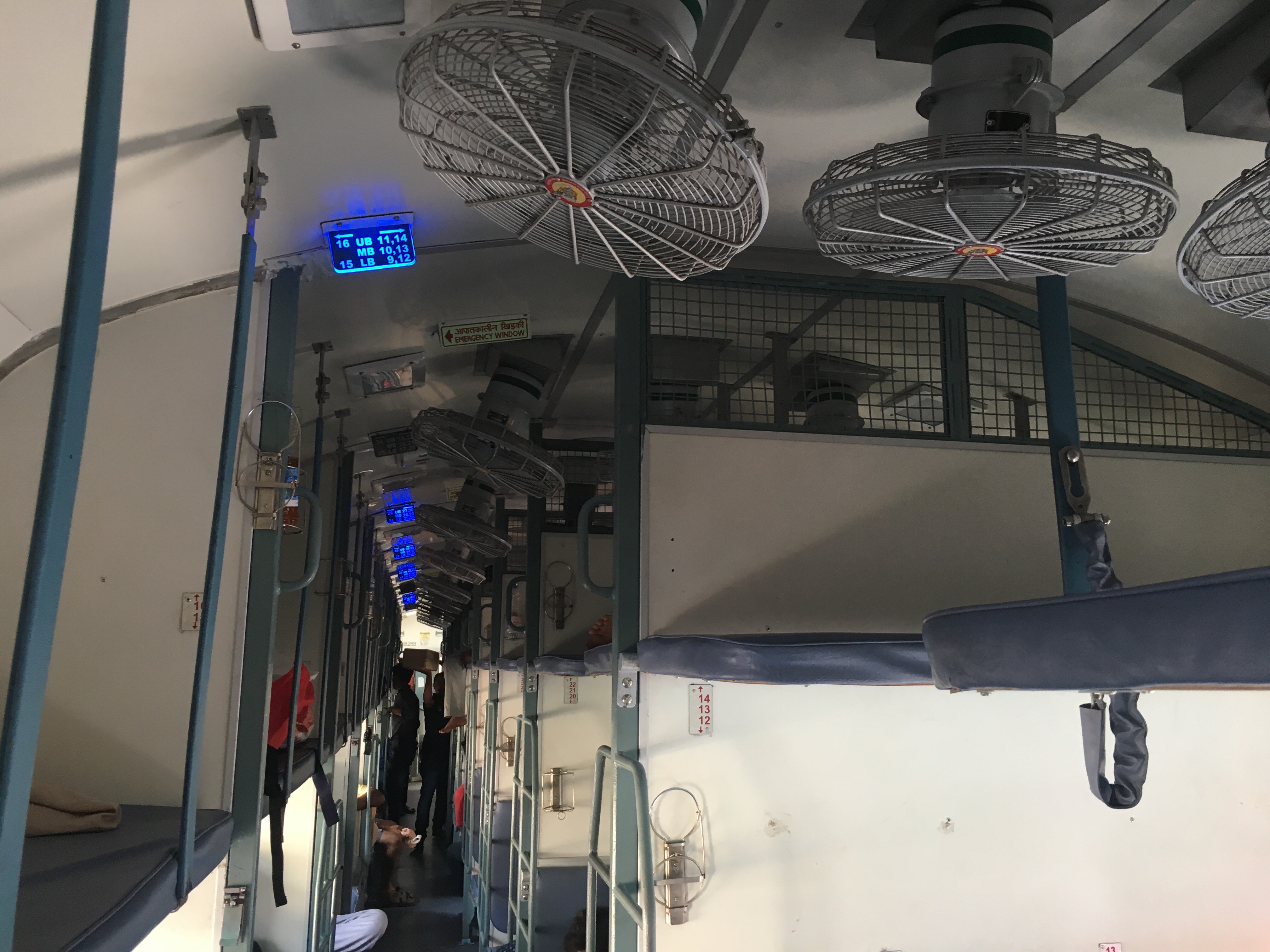
Back on the Kerala express, only another 28 hours to Delhi. We boarded yesterday afternoon at Kochi which is a few hours north of Trivandrum, so for us the trip is only about 45 hours. The first nights sleep was actually pretty good. Much more restful than my previous experiences on the top bunk of a non air con 3 tier sleeper with the fans clattering away a few inches from my face. I was younger then though and I’m far too old for that now. Not that I would describe our current accomodation as first class but it is the highest class on offer on this train and so far, so good.
Getting on towards lunchtime now on day 2 and we are a fair way up the country already. We have travelled out of Kerala, across Tamil Nadu and Andhra Pradesh and we are just coming into Telangana, with the sights, sounds and smells of India passing by the window.

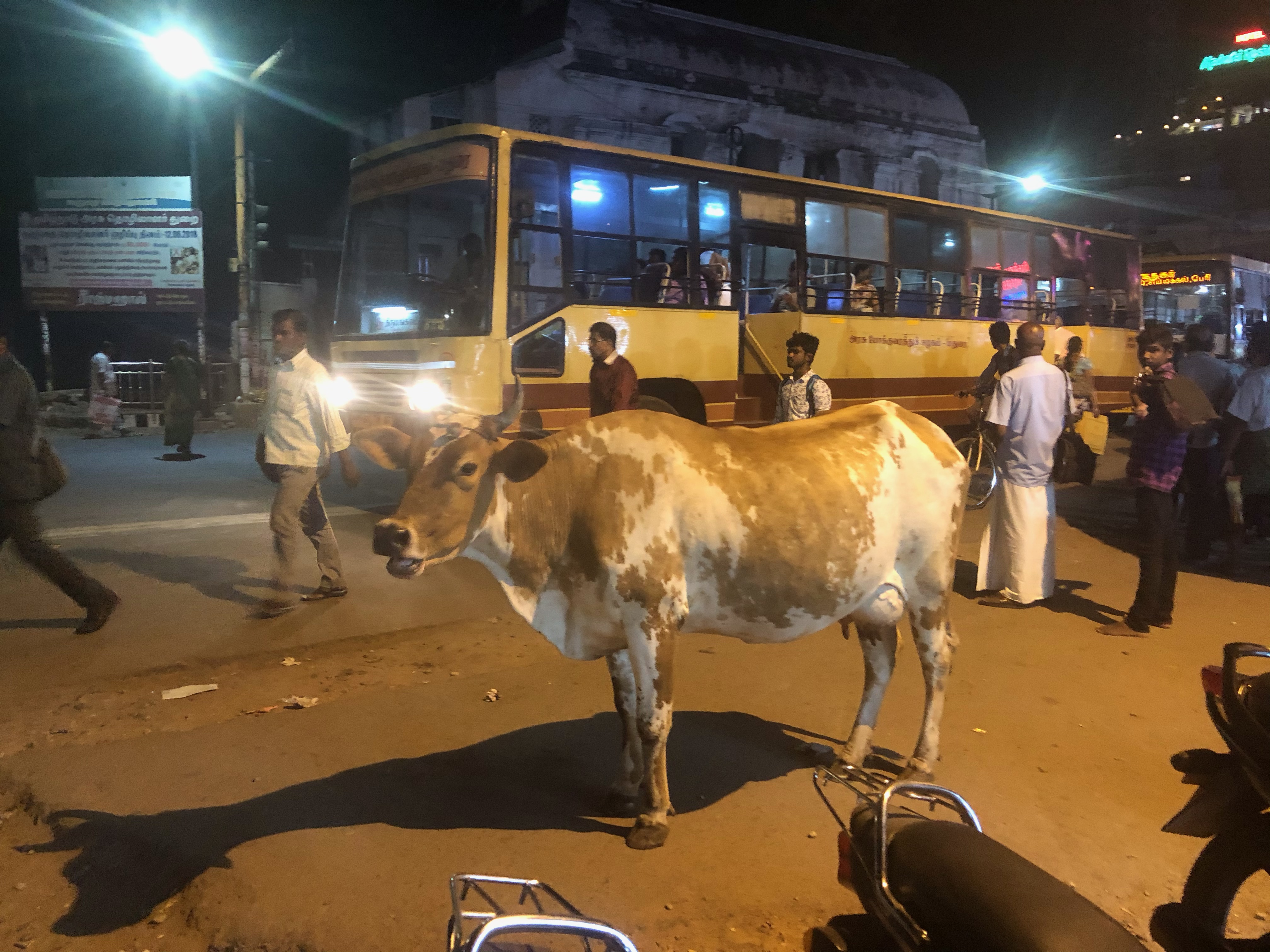
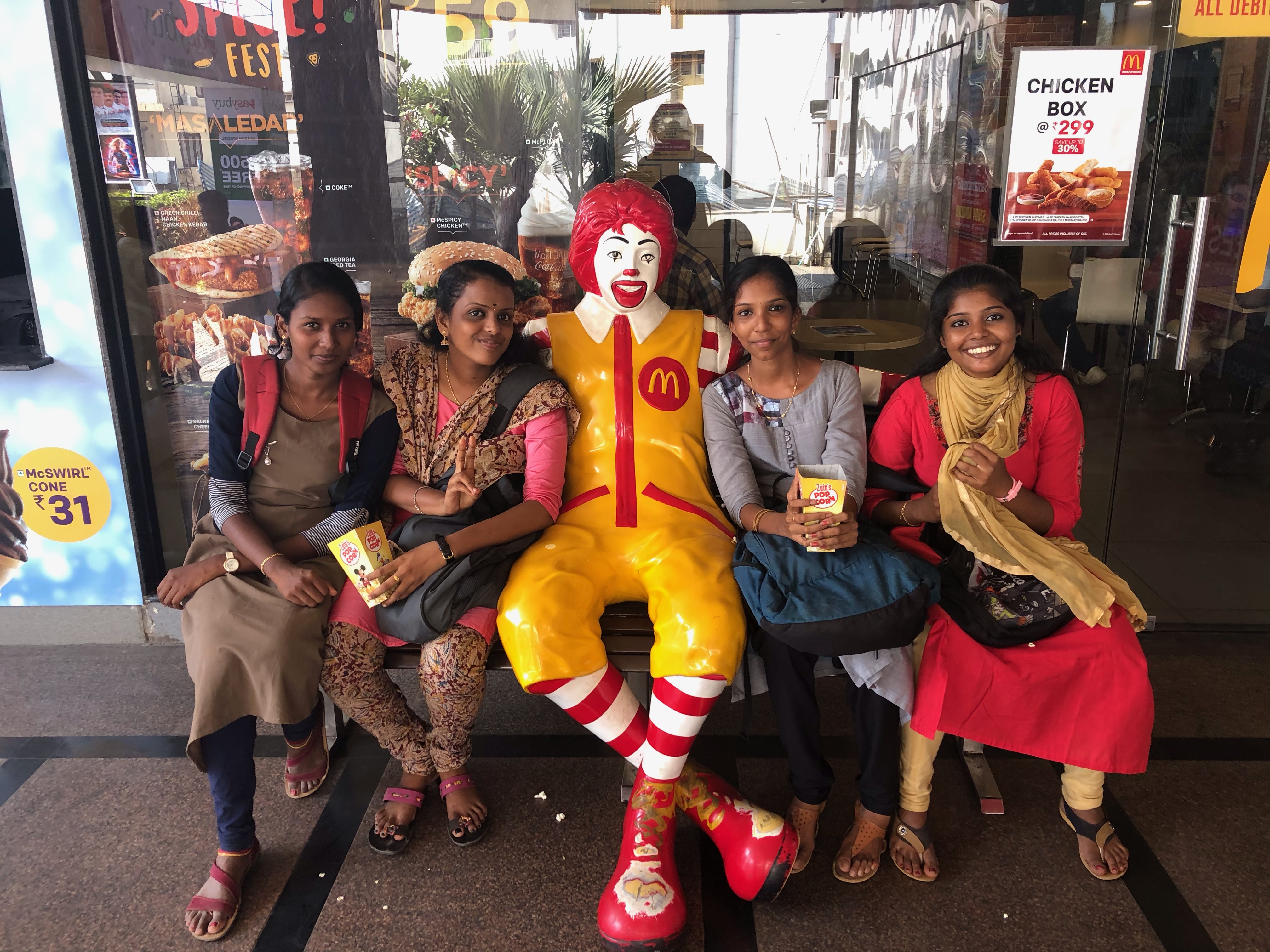
India really is a beautiful place. Sure it has its not so pretty side such as the poverty that can still be found quite easily despite India being quite modern and developed in some ways. The rubbish is also still quite disturbing and cows and dogs can still be found wandering many city streets foraging through the rubbish and leaving their mess behind for the unwary walker to step in. But the colours of India are still as vibrant as ever and despite the western influences that are clearly visible (such as McDonalds and KFC, although they are very few and far between), the women still mostly dress traditionally in beautiful colourful saris and other traditional styles of dress. Brightly painted Hindu temples still abound, even in Kerala which is highly Christianised due to the Portuguese and Dutch influences. The smells of spices and incense mostly overpower that of rubbish and cow crap (not always though), and did I mention the food? It’s very easy to see why the British adopted Indian cuisine so readily. And life on the train is just as colourful and full of wonderful smells.
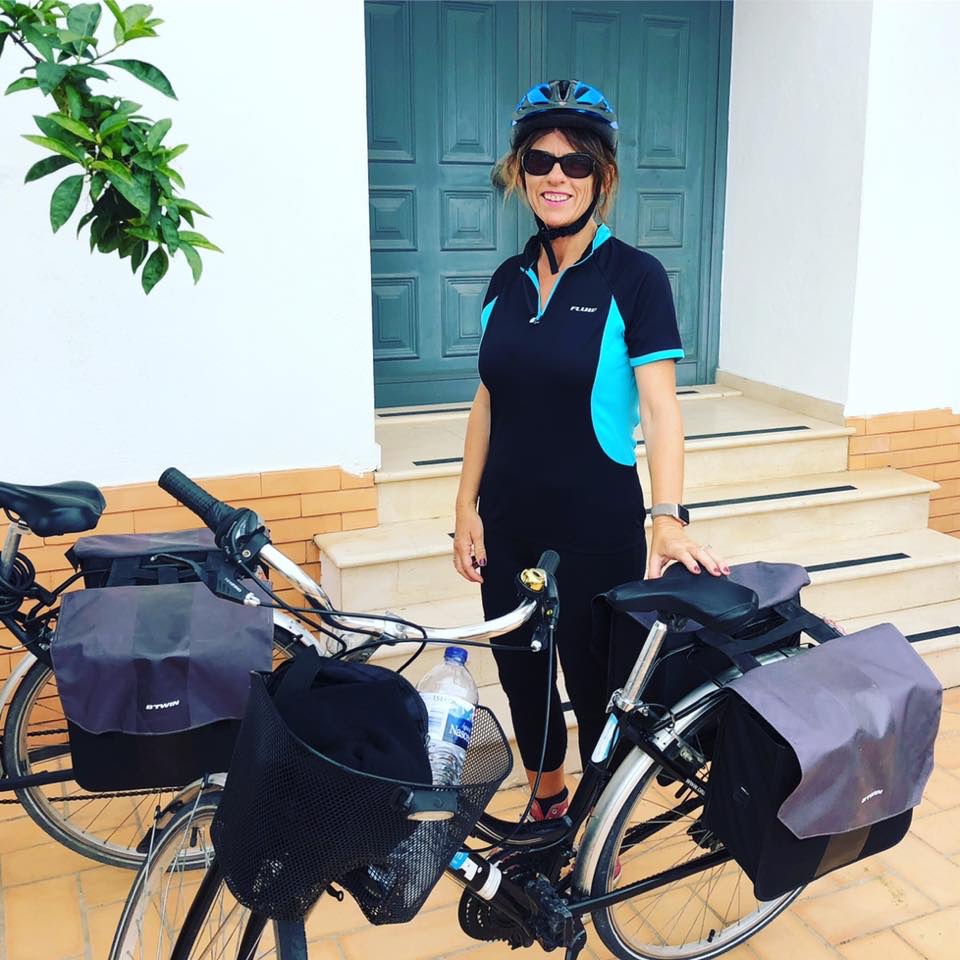
Its my second morning on the train now. Day three in fact as we boarded on Sunday and today is Tuesday. Just got my first chai of the day and we are coming into a station so I will get off and have a wander along the platform while we are stopped. Its a good way to have a stretch and there is usually something interesting going on. Not too far from Delhi now. We are due in at about 2pm so only another 7 hours to go. Should have time for a few more chais.

I have actually been pretty impressed with Indian railways. They have a handy little app that you can use to make your bookings with. You can then track the progress of your train with it and can even order food from your seat with it. The food has been awesome so far, we certainly haven’t gone hungry. The bedding on our bunks is clean and pressed and yesterday morning at one of the longer stops the whole train got a thorough clean, inside and out.

I just had a near miss! I got off the train for a wander and saw there was a guy making fresh omelettes so I ordered one and give him 200 rupees to change. I wasn’t really paying attention and after a couple of minutes just happened to look round and see the train leaving. No time to get my omelette or my change and I actuality had to run to get on the train and even then I only managed to get in the last door before the unreserved carriage at the back. I think I might stay put now until we get to Delhi.

Cycling in the Algarve

It’s been a while since my last post and seeing as the pace of life has slowed dramatically while we are spending a few days on the beautiful Greek island of Folegandros I thought I might catch up on a couple of blogs. Since my last post (The Kerala Express), we have visited Portugal, Croatia, Bosnia, Montenegro, Italy and Slovenia, so there is a bit to catch up on, but one of the highlights was a 5 day cycling trip in Portugal’s Algarve region.

We started our Portuguese leg with a few days in Porto. A very beautiful city that is well worth a visit if you find yourself in that part of the world.

From there Ali headed off to Alicante in Spain to catch up with a couple of girlfriends while I headed to Lisbon to catch up with with some old mates from the UK. When I say old, I don’t mean old, although they are all in their 50’s now, but I mean old in the sense that I have known them since we were 11 years old, or in fact in the case of one of them, since we were 5. As it happens it was when I caught up with these guys a couple of years ago in Budapest that the cycling tour seed was sown for me. Alex, who lives in Fremantle in WA, suggested that if we were going to go all that way to meet the lads in Budapest, then why not make a bit of a trip of it and cycle from Linz in Austria to Budapest in Hungary. So we did. Dan met us halfway, somewhere in Slovakia. Ten days and about 600ks, and despite never having done anything quite like it before I loved it, and now I am always keen to incorporate a bit of cycling into all my trips. So, I convinced Ali that we should do a bit of cycling in Portugal, and hopefully on one of the Greek islands too.

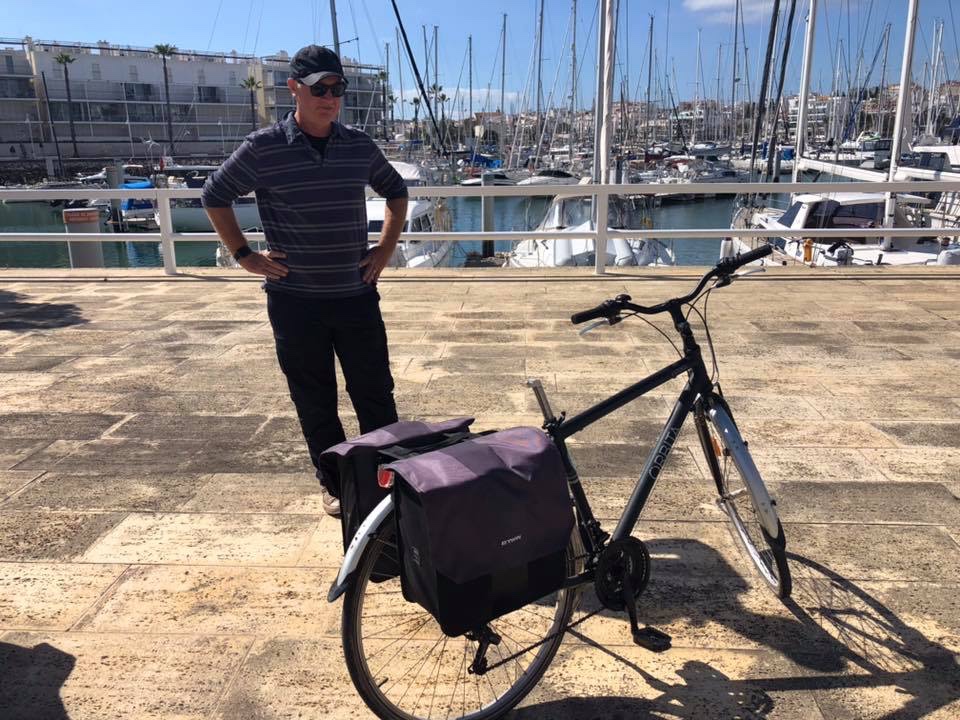
So after a bit of Googling I found a bike hire place in Olhão by the name of Sea Horse Bike Rentals where we could get a couple of touring bikes with panniers for the very reasonable price of €11 per day for 5 days. The fact that there is a train line running along the southern coast of Portugal also helped us decide to cycle here as we could cycle one way and get the train back. We also managed to find an apartment where we could store our luggage in Olhão so we could just take the bare minimum with us on the bikes. So, with all our ducks in a row, we headed down to the Algarve when Ali got back from Spain to saddle up and cycle off into the sunset.

Day 1.

After collecting the bikes in the morning we geared up and started heading west towards Albifuera, about 55ks away. It wasn’t the best start though as we were headed into a headwind, it started raining just after we left Olhão and apart from a couple of ks along the train line we were cycling along the main road for the first 15ks or so until we got past Faro airport. I think the tip here is get the train from Olhão to Faro to miss this bit out. From there the cycling got much better as we cycled some country lanes, plenty of golf courses and a couple of beautiful seaside towns with excellent beaches (too cold for swimming in April though). Unfortunately though Ali booked our accommodation for the night at the top of the highest hill just outside of Albifuera so the last part of the day was spent climbing a hill with burning thighs and a sore bum.

Day 2.

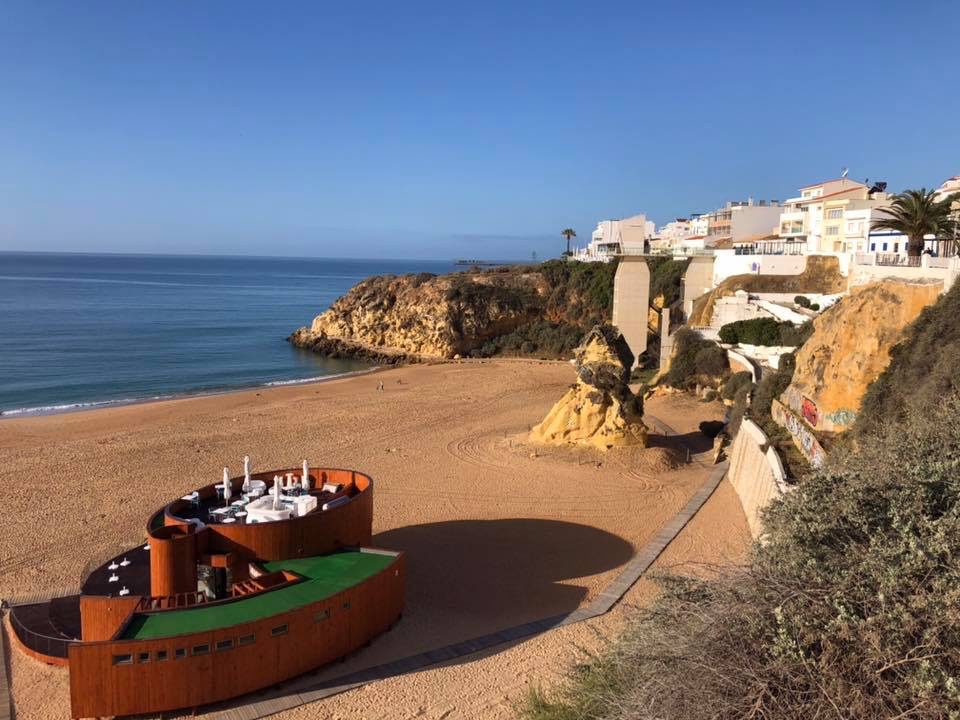
Awesome start to day 2. The sun was shining and it was a downhill run into town. Albifuera itself is a beautiful little Portuguese town with narrow cobbled streets leading down to a pretty good beach.Living in South East Queensland I am pretty hard to impress when it comes to beaches as we do have a pretty high standard at home, but I have to say, some of the beaches that we saw in the Algarve were comparable to our Queensland beaches. Long stretches of golden sand, clear blue water and even a few dramatic cliffs here and there to set them off. Just a shame it was too cold for swimming.
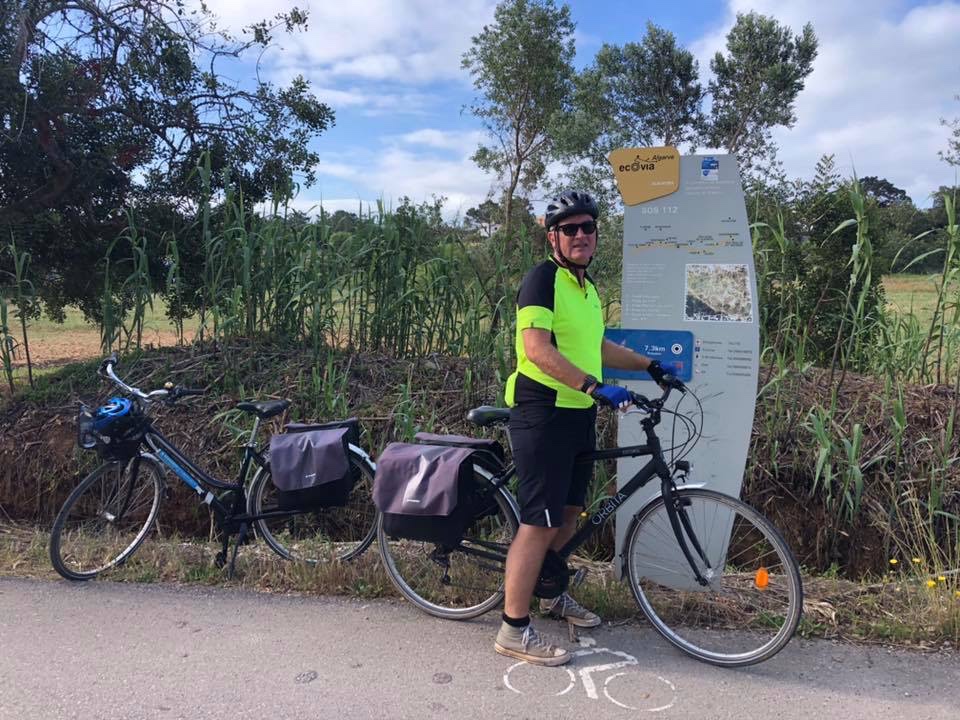
The cycling for the first half of day was pretty good with more beaches, villages and country lanes until we got to Portimao where things went downhill a bit, or rather uphill a lot. The Eurovelo 8 cycle route and the Ecovia supposedly run through the Algarve, and this was the route that we were trying to follow. Unfortunately though, there are no Eurovelo signs at all, and the Ecovia ones are a bit sporadic to say the least. In short, we got lost coming out of Portimao, cycled up some hills that we probably didn’t need to and ended up cycling the last 12ks into Lagos along a main road. Ali wasn’t happy! But fortunately she got over it when we arrived in Lagos as it really is a stunning place.
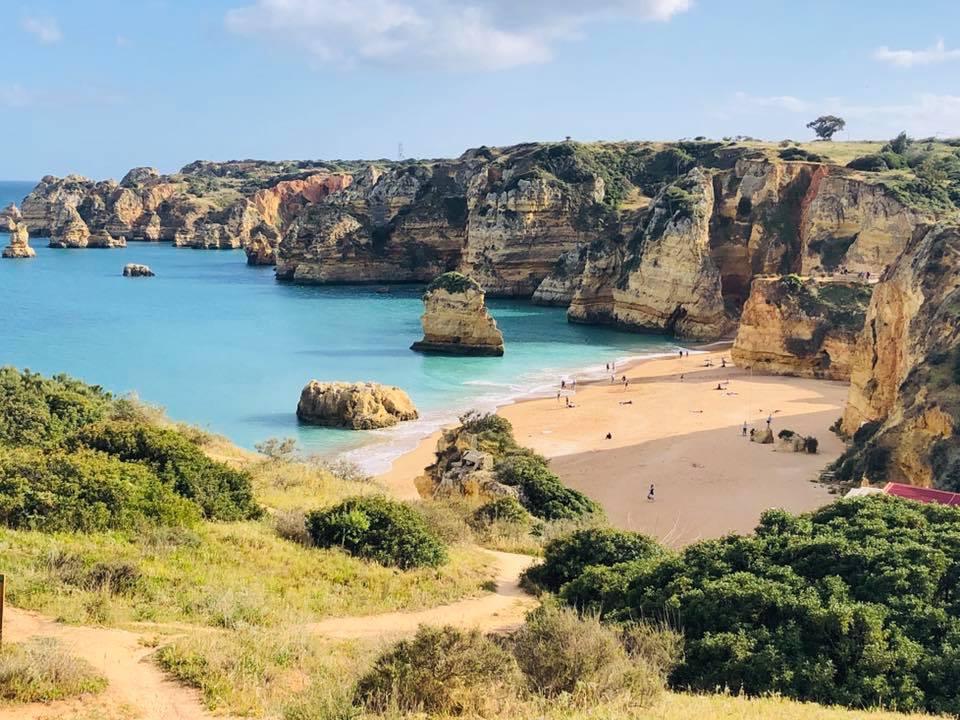
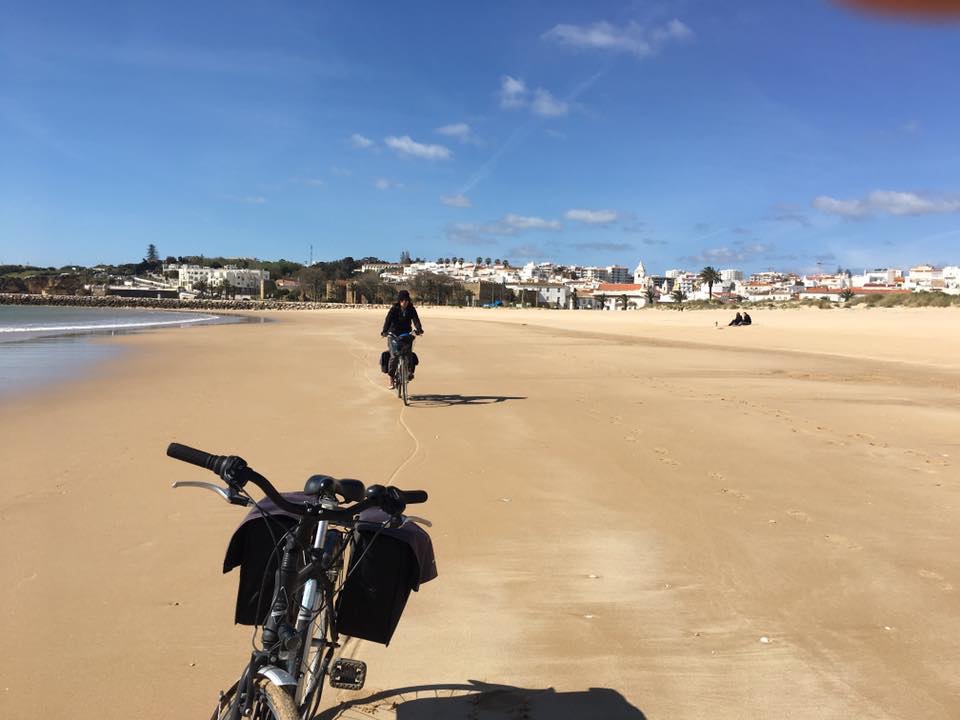
We checked into our room, left the bikes and went walking through the town and around the headland to the lighthouse because after cycling 60ks we felt the need to do some more exercise….really! Anyway, I’m glad we did, as it really was stunning scenery. Loved Lagos. If I were to go back to the Algarve this is where I would hang out next time.

Day 3.

Our original intention had been to keep cycling west until we ran out of road at the most South Westerly point of Europe at Sagres, only another 30ks from Lagos. We checked the elevation though and discovered that although not that far it was very hilly and we had enough hills the day before. The train line also ends at Lagos so we would have had to cycle back again, so we decided on plan B, which was to get on a train and head east to Villa Real de San António on the Spanish border. A very wise decision as it turned out. We went for a ride around the town, the beach and the little harbour before getting the train, and while doing so the bolt holding my saddle on broke. Glad I wasn’t halfway to Sagres when that happened. So we got the train, checked in to our hotel in Villa Real, and then found a little hardware store that fortunately had the right size bolt to fix the saddle. That was easy, little did I know what was coming next!
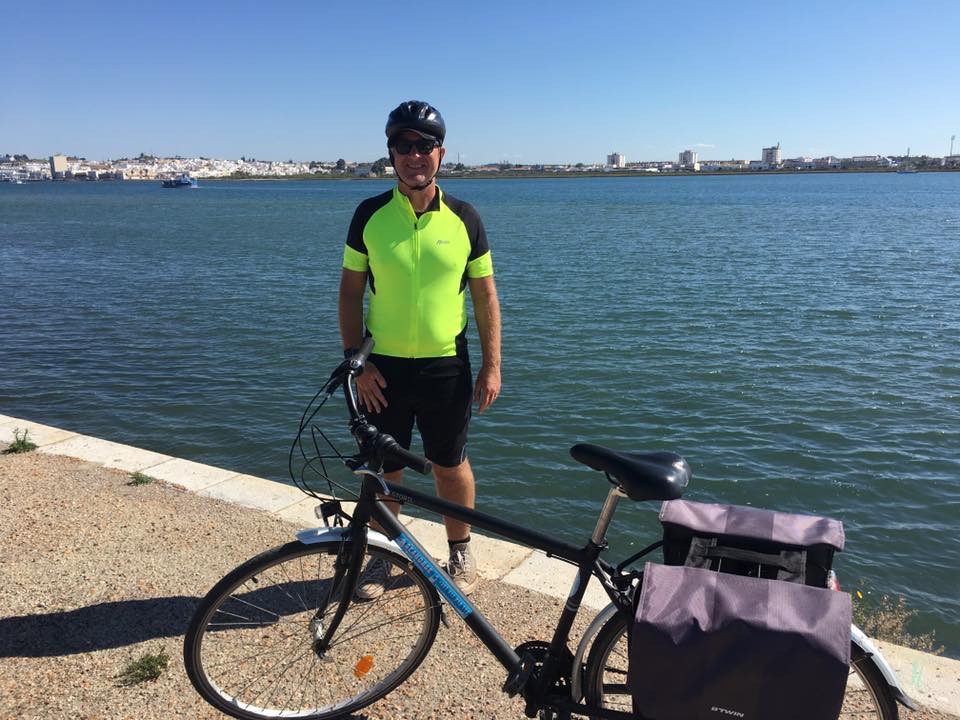
We decided to head out of town up to the castle on the hill at Castro Marim, but unfortunately I got a puncture halfway there. No puncture repair kit and we had left the pump back at the hotel. No option but to walk back to town and find a bike shop. Easier said than done it would seem. Google wasn’t very helpful as a search showed the nearest bike shop was over the border in Spain about 20ks away. We asked a local on a bike and he gave us some directions to one in town, that turned out not to exist any more if it ever did. Ali cycled every street to see if she could find one, but no luck. I walked back to the hardware shop as the young guy in there spoke pretty good English to see if he knew of one. By this time it was getting quite late so we were thinking we might be out of luck. The guy in the hardware shop gave me directions to where he thought there was one, but that was also fruitless. I was about to give up when by chance I walked past what looked like a open garage door with a load of bikes inside. Turned out to be the town bike shop! No sign, no shopfront, just a load of bikes and an old lady who spoke zero English. With a bit of sign language and a mix of a few words of French, Spanish and Portuguese she explained that she couldn’t help me but knew a man who could. I tried to explain that I just needed a spanner, pump, patch and glue and I could help myself. She had none of the above (or probably didn’t know where to look). Anyway, armed with instructions to head toward the roundabout near the supermarket, turn right and look for the third door on the right off I went again. And there was my saviour fixing someone else’s bike just where the old lady said he would be. He spoke no English and I speak no Portuguese (other than hello, can I have a beer/coffee please and thank you), but a flat tire is pretty self explanatory and he had enough fingers on one hand to tell me how many Euros a new tube was going to cost me (the hole was too big and in a bad place for patching).

Day 4.

The sun was shining, the roads were flat, the tyres weren’t. This is how cycling should be. We cycled up to The castle at Castro Marim first which was pretty cool. No punctures this time either which was a bonus. We then cycled back along the river that forms the border between Spain and Portugal and then turned west to start heading back towards Olhão. This was probably the best days cycling we had. Beautiful beaches and lovely little towns and the cycle route was actually clearly marked along this section. We ended the day’s cycling around lunchtime in a beautiful place called Tavira. We had a wonderful lunch of bread, cheese and Portuguese sausage all washed down with a bottle of rose and spent the rest of the day wandering around this beautiful little town.
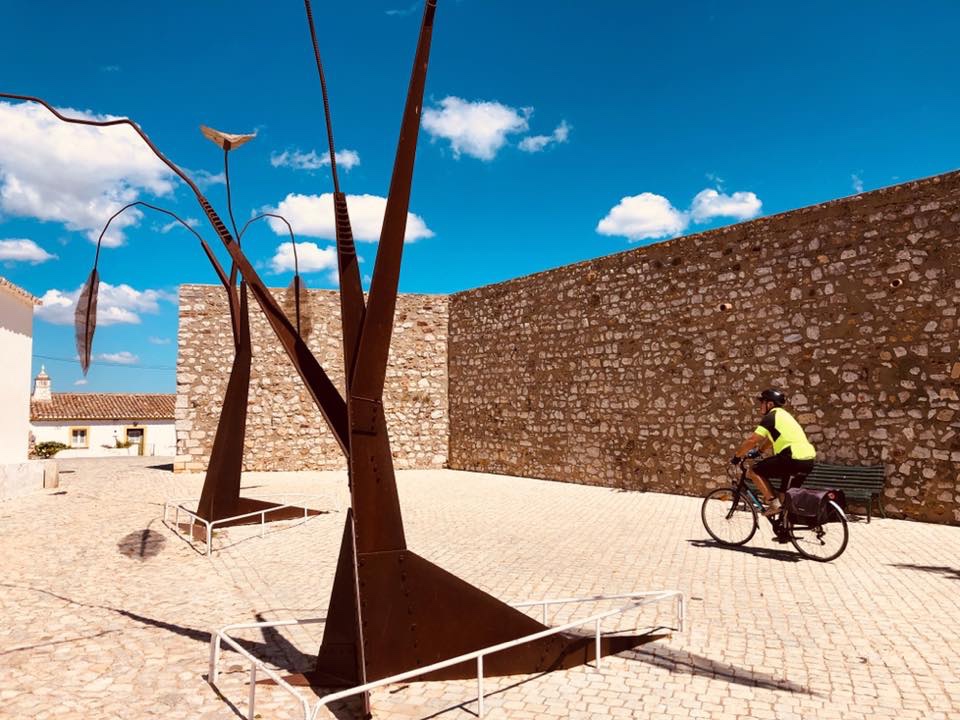
Day 5

Our last day took us past some more wonderful coastal scenery and through a National Park before arriving back at the start point.

I would highly recommend this trip to anyone who likes a bit of cycling, you could easily cycle from the Spanish border to the west coast of Portugal in 5-6 days without having to do more than 50 kms a day. My tips to make the trip better though would be:

  • Start at Lagos and finish at Villa Real de San Antonio, the prevailing wind is westerly so better to have the wind at your back.
  • Don’t bother with the stretch to Sagres. We drove it afterwards and it is very hilly and the cycle route follows the main road inland.
  • Take a puncture repair kit
  • Get an electric bike for your wife
  • Mount your phone on the handlebars and actually follow the map on the bike route map that you can get.
  • Recommended places to stay would be Lagos, Ferragudo, Albifuera, Olhão and Villa Real de San Antonio