Yeah, I know, Yugoslavia doesn’t exist anymore, but we spent three weeks exploring part of what used to be Yugoslavia. Slovenia, Croatia, Montenegro, Republika Srpska, Bosnia and Herzegovina seemed like a rather long winded title.
Our original intention in Europe was to hire a car in Portugal (which we did), and drive it all the way to Greece (which we didn’t). Turns out that none of the hire car companies are keen on letting you take their cars either into or out of Greece, so that idea all became a bit too hard. As a compromise we decided to fly from Portugal to Zagreb in Croatia, hire a car there, see how much we could see in three weeks or so and then fly from Zagreb to Athens. Our car hire in Portugal was ridiculously cheap. We managed to get one for less that €10 a week there. Unfortunately Croatia wasn’t quite that cheap, in fact it was more like €10 per day, but that still isn’t too bad. The paperwork said international drivers licence required, but I was never asked for it, my Aussie licence seemed to be enough.
We had a bit of an itinerary to follow for Croatia thanks to a Croatian friend in Australia (thanks Marina). So after a couple of days exploring Zagreb we headed north towards a little town by the name of Varazdin that looks like it just stepped from the pages of a kids fairytale book. The first of many as it turned out. From there we turned west crossing into Slovenia heading to the capital Ljubljana.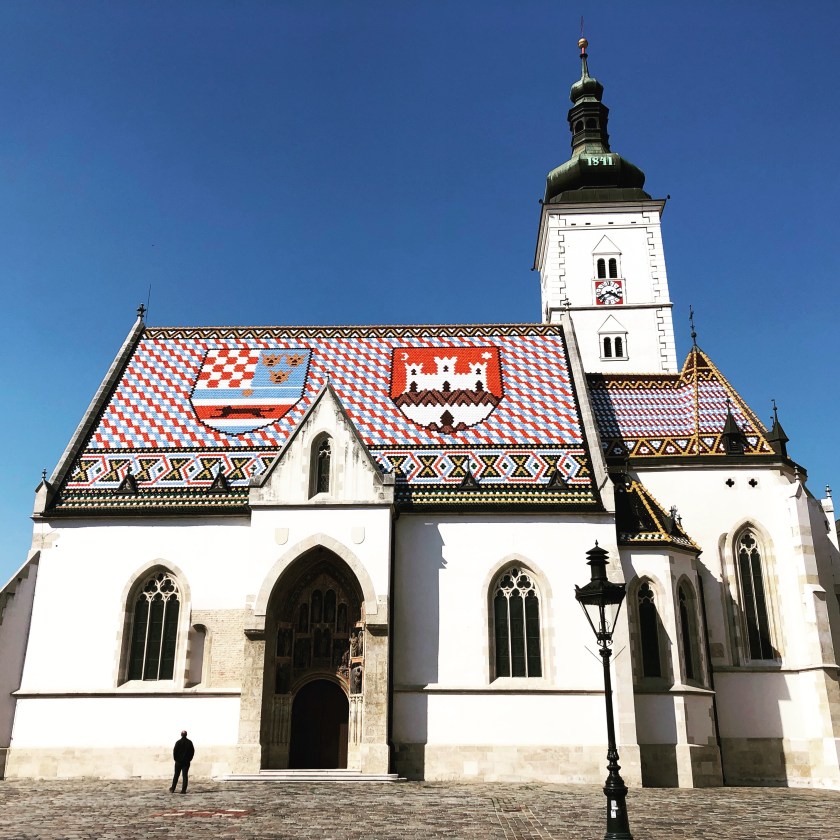
It’s been a long time since I have had to show a passport at a border crossing in the EU and I really thought this was a thing of the past, so I was surprised to see there is still a border between Croatia and Slovenia with immigration and customs control. At least it was faster and more efficient than the last land border I had crossed between Cambodia and Vietnam back in February. That would all change when we got to Bosnia though which is still not part of the EU, but more on that later.
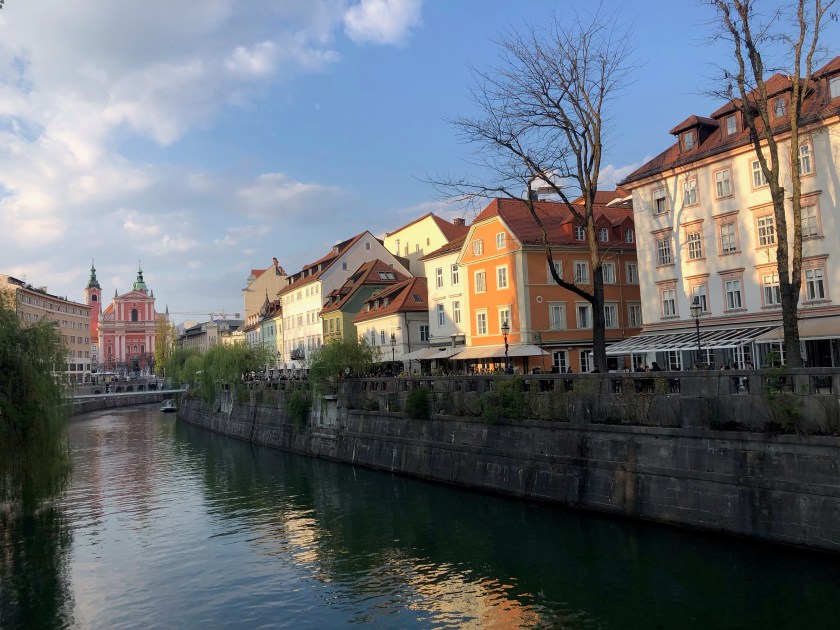
I knew nothing about Ljubljana before we arrived other than the fact that it is the capital of Slovenia. So glad that we made the effort to go there though. Our accommodation was out of town a bit but it was basically a beautiful little wooden ski chalet at the bottom of a snow capped mountain. The view was awesome. Ljubljana itself is another fairytale town with cafes and restaurants alongside a river that runs right through the middle of town with squares and medieval churches all topped off with a castle overlooking the city and snow capped mountains all around. Well worth a side trip to see that.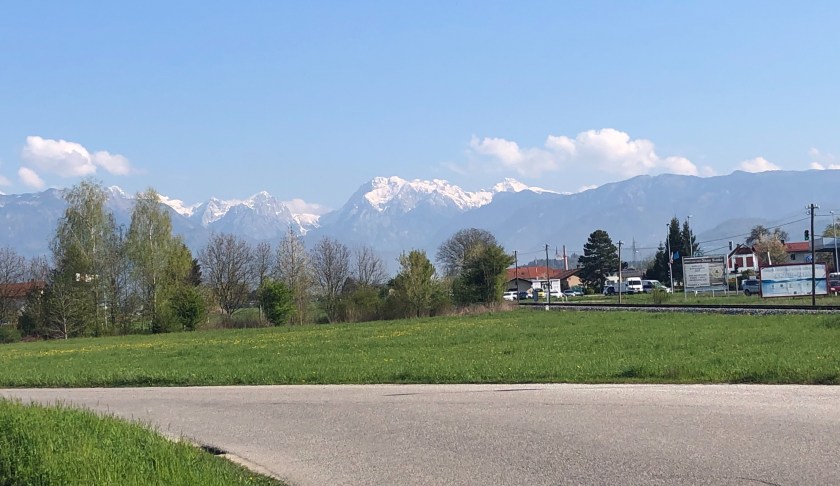
From there we headed towards the Istrian peninsular back in Croatia with a side trip to Trieste in Italy for a Campari Soda and some lunch. No passports required on that crossing.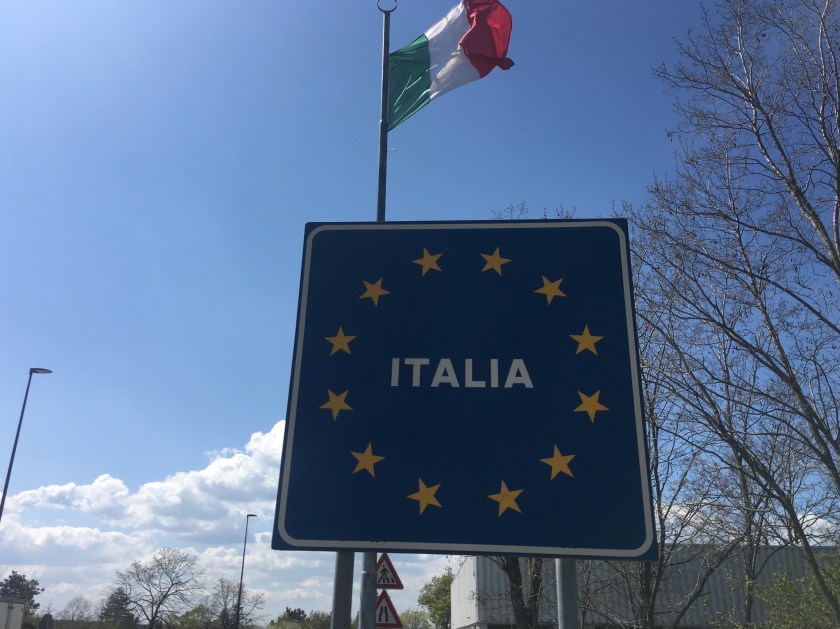
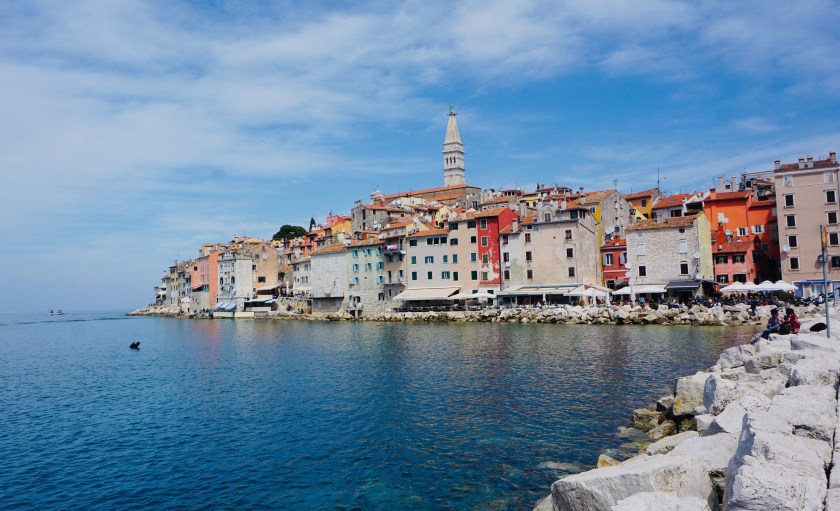
In my humble opinion, Istria has the best that Croatia has to offer. Sure Split and Dubrovnik are must see cities, but Istria has it all. Rovinj was probably my favourite Croatian town. A very cool medieval city on a little peninsula surrounded by the crystal clear waters of the Adriatic, a beautiful little boat harbour, a castle on the hill. We were there on Easter Sunday so there was a pretty a good atmosphere what with a band playing in the main square and free cake and eggs being given out to anyone. Real eggs as well as chocolate ones.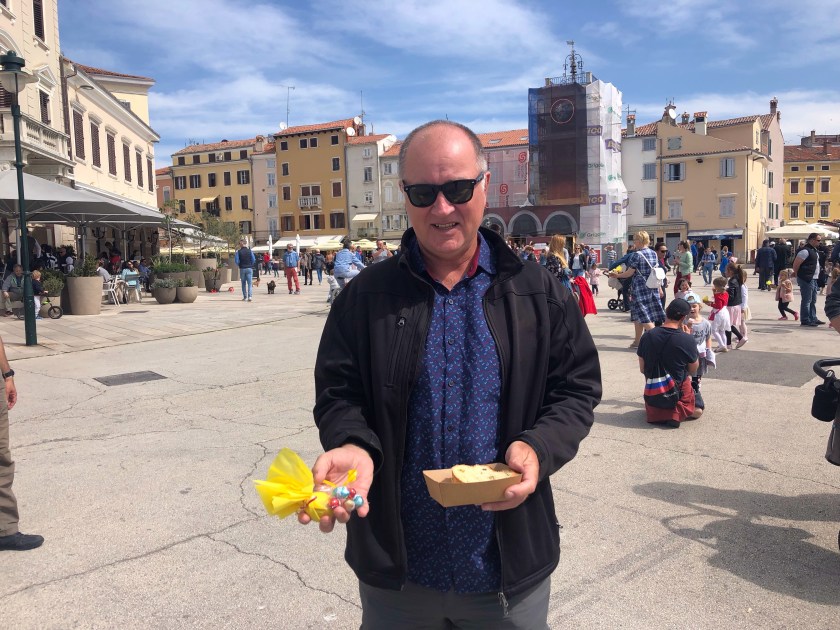
And then there is Pula, with its very own Roman Arena, temple of Augustus and a number of other remarkably well preserved and impressive Roman ruins. Istria has plenty of beaches too, and they are as good as any you will find down on the Dalmatian coast where most of the tourists seem to favour. I have to say though that Croatian beaches are not beautiful stretches of golden sand. They basically come in three varieties: pebble, gravel or concrete. Doesn’t sound too appealing, but the clear calm water and beautiful secluded coves kind of makes up for it.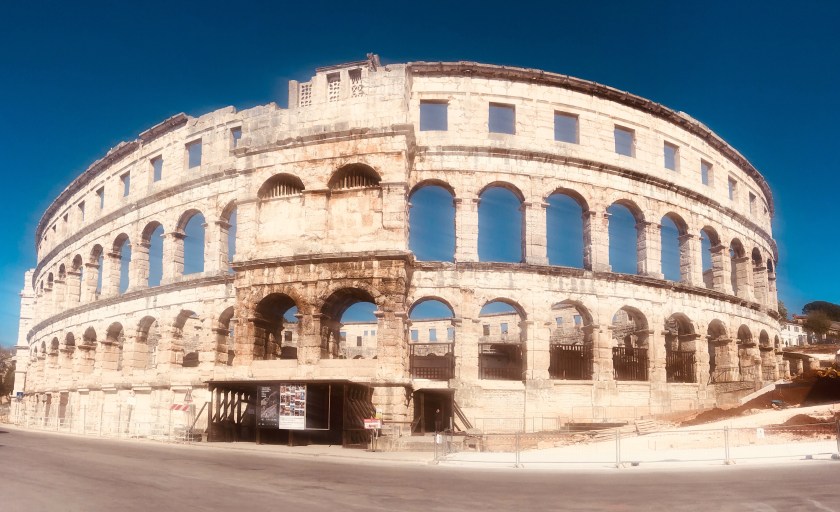
Plitvice Lakes National Park was our next stop after Istria. This beautiful park is well worth a visit, but get there early as it is a very different place by 10.00am when tourists start arriving by the bus load from Zagreb. We arrived at about 7.30am and pretty much had the walking trails to ourselves for the first couple of hours, but by the time we left the car parks were full. Can’t imagine what it’s like in July and August.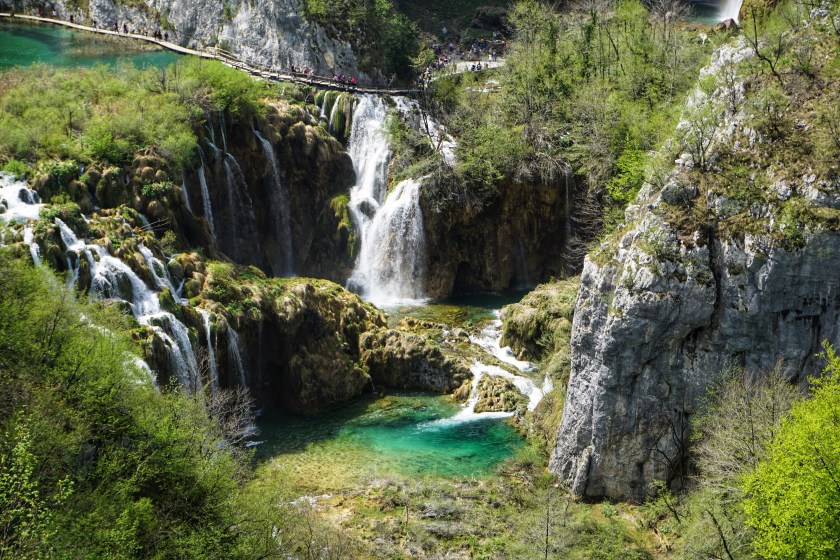
The same could be said for Spilt and Dubrovnik. If you are going to explore the old towns in these two cities, start early, and try to time your visit on a day when there are no cruise ships in town. When the cruise ship hits town in Split take a walk up to the top of Marjan Park on the edge of town. The views over the city are fabulous and if you walk down the other side there is a nice sheltered gravel beach with a cafe. We walked all the way back into town via Bene beach and this is obviously where the locals go walking on a Sunday afternoon as the park was buzzing with families walking, cycling, skating etc.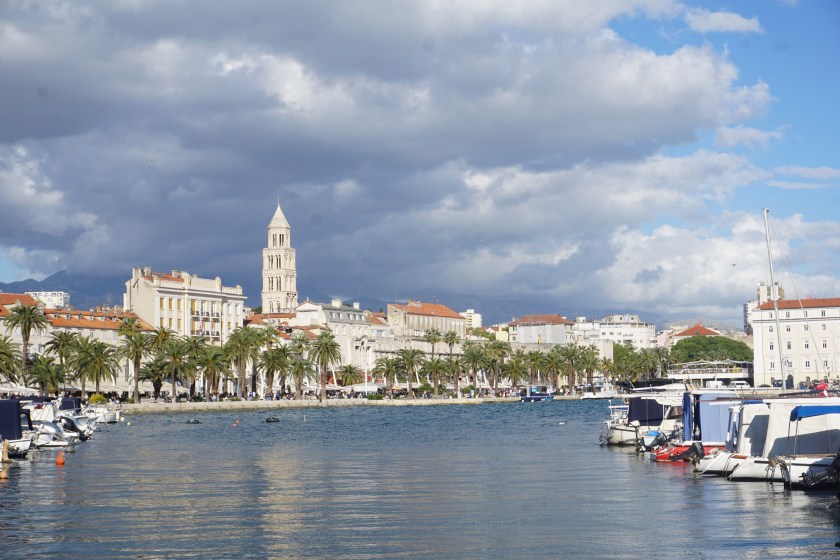
When the cruise ship hits town in Dubrovnik get up to the cliffs above the city. There is a cable car, which wasn’t running when we were there, but you can drive up there and it is an awesome drive. At the top there is an old fort which was the scene of much of the fighting during the siege of Dubrovnik back in 1991/92 and is now a museum telling the story of the siege in photographs and video clips. This is well worth a visit. Oh, and of course, if you are a Game of Thrones fan you can’t miss the fact that Dubrovnik is Kings Landing and from the top of the hill where you can’t see all the cafes, restaurants and souvenir shops, you actually can imagine it as so.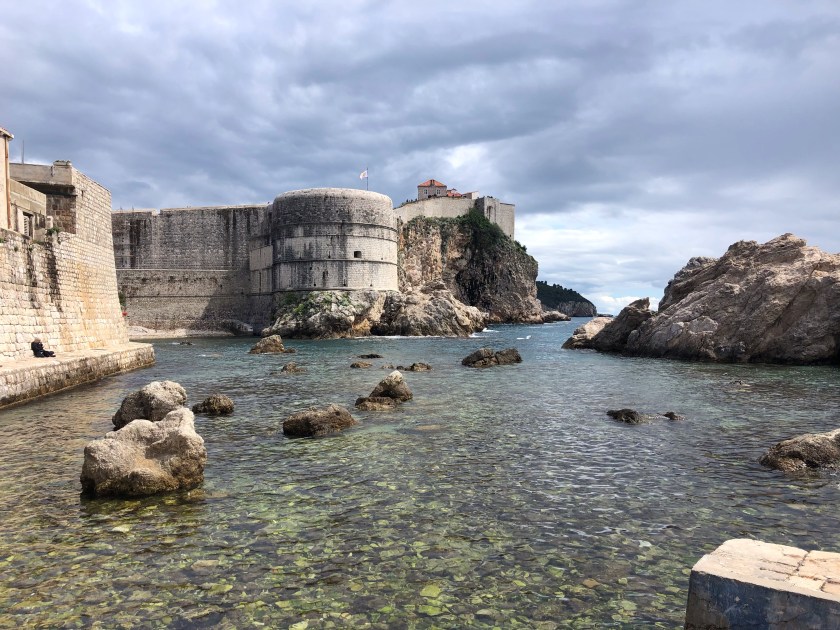
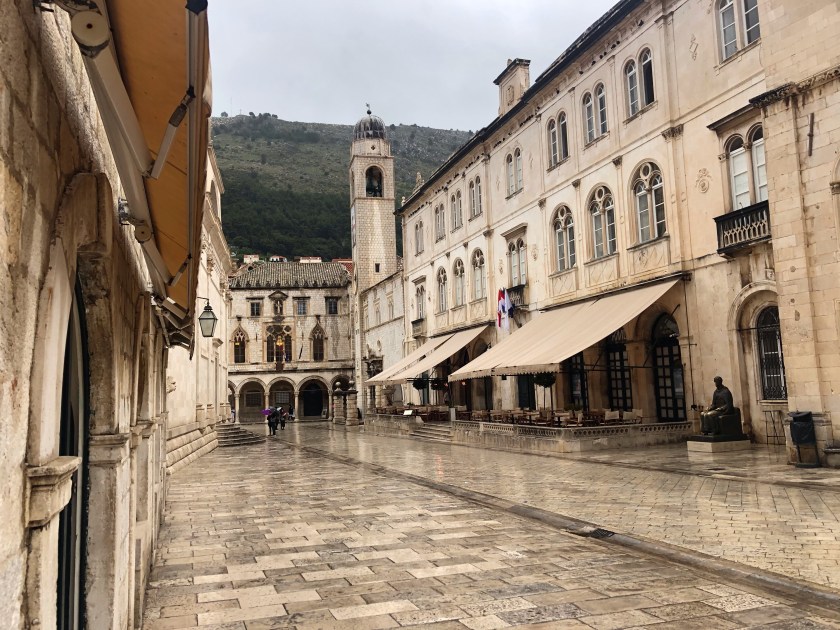
Croatians are very friendly, hospitable and also very proud of their country and its culture. One of the places we experienced this most was in Zadar, where we happened to be on the final day of the flower festival. Along the waterfront, tables were set and food and wine was being served from an open air ‘kitchen’. At first we thought it was a private function until we were offered a bowl of hearty Croatian soup and fresh bread. So soup in hand we found a table and sat next to two local ladies who began telling us about Zadar, the festival, the food etc. The soup was followed by a Croatian dish called Bakalar. Salted cod with potatoes which was delicious. Best Croatian dining experience we had, no charge.
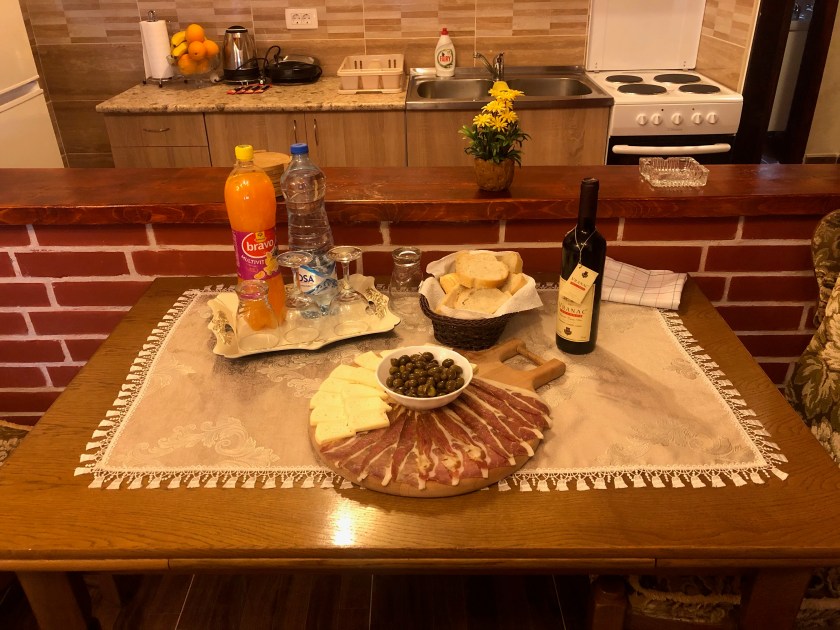
When we got to the bottom of Croatia we carried on into Montenegro. Incidentally to get to the bottom of Croatia you actually have to drive through about 20ks of Bosnia. Dubrovnik and the surrounding area actually isn’t connected by land to the rest of Croatia. This means that the relatively short drive from Split to Dubrovnik is made much longer by a frustratingly long wait to cross the border into Bosnia, and then 15 minutes down the road you have to queue to get back into Croatia. Anyway, the drive into Kotor in Montenegro is breathtaking. The road winds into the bay with the water on one side and the mountains on the other, reminiscent of a fjord in New Zealand or Norway. The climb up the walls of the old city gives a fabulous view of the bay, the city and the surrounding mountains. Breathtaking. We found an apartment that had views of the bay and the mountains and if Croatian hospitality was good, Montenegrin is even better. We were welcomed into our apartment with a bottle of local wine, a platter of local cheeses and cured meats and a loaf of freshly baked bread.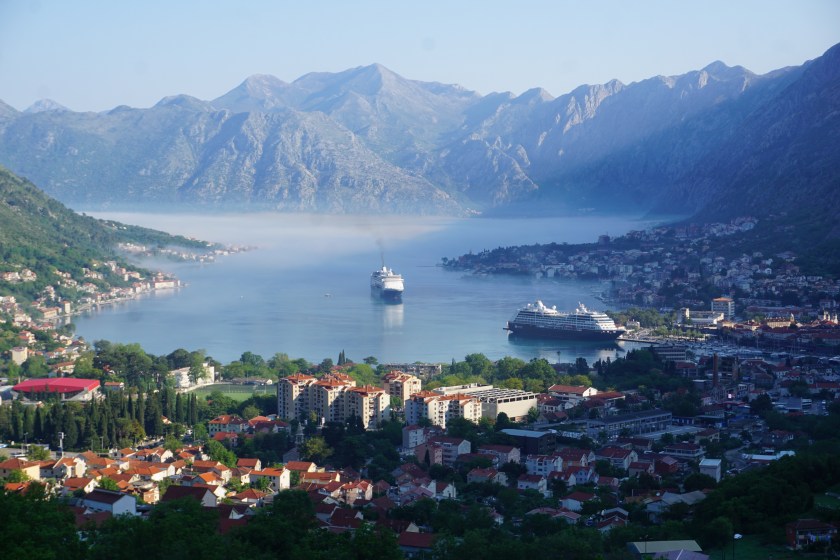


After a few days exploring the coast and the mountains of Montenegro we headed back into Bosnia for the third time. We had already been to Bihac which is just over the border near Plitvice Lakes. Here we first saw evidence of the wars that occurred in the former Yugoslavian states in the 90’s. Buildings with bullet marks and shell holes were abundant on both sides of the border and there were warnings of land mines in the hills, but this was nothing compared to what we would see later in Mostar and Sarajevo. We also saw refugees here from Pakistan trying to cross over the hills into Croatia. Bihac seems to be like a way station for them, which explains the heavy police presence on the Croatian side and the frustrating border crossings.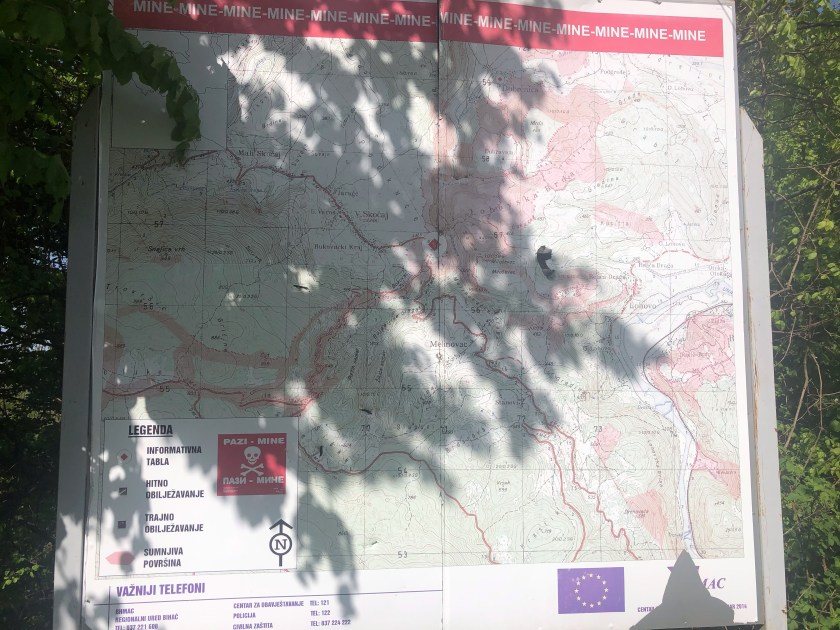
Mostar is a very interesting town. The old town feels more Asian than European, and again evidence of the war in the 90’s is everywhere as if it only happened a year or so ago and they haven’t got round to clearing up the mess yet. A local told me that it isn’t as simple us just demolishing or fixing up damaged buildings though. There is still disputed ownership over some buildings, and as for public buildings, the government doesn’t have the funds. The old bridge, originally built in 1557 has been rebuilt after it collapsed in 1993 after being shelled. The funding for this came internationally though and original stones were recovered from the riverbed and it was rebuilt to its original form. It is pretty impressive.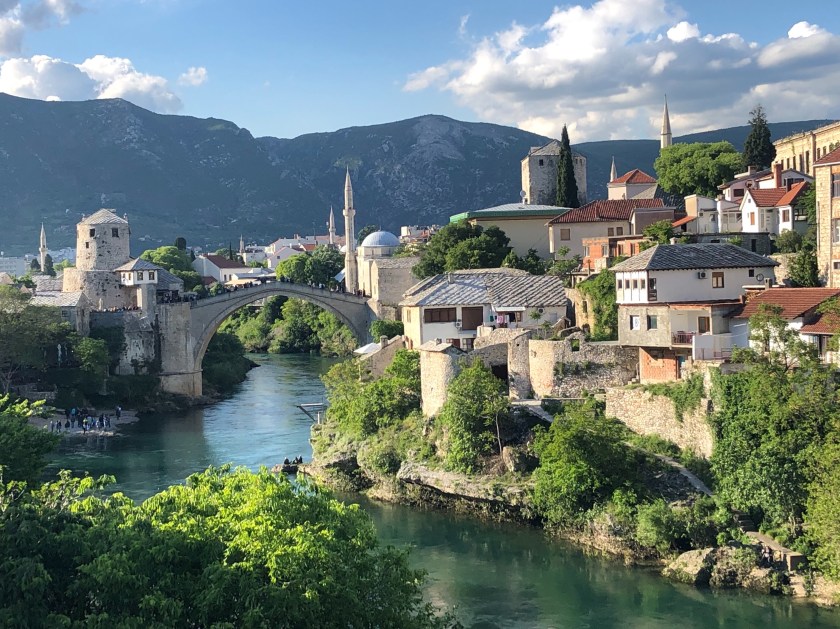
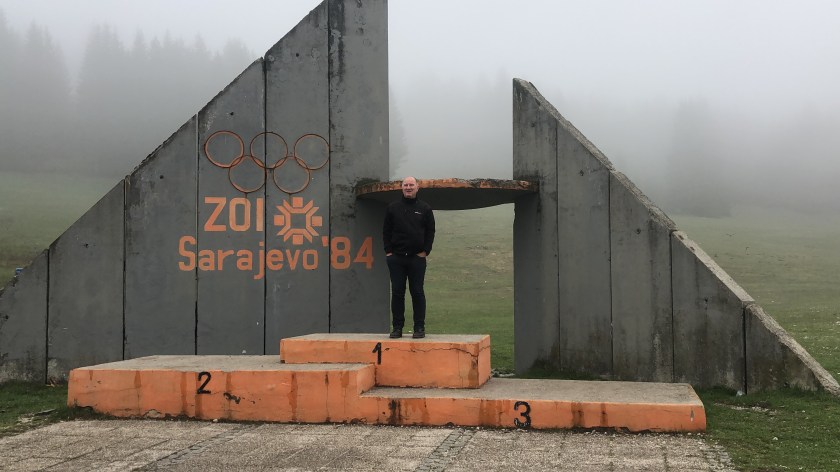
Of all the cities that we visited on this leg of the trip, I think that Sarajevo will have the most lasting impact on me. To me, Sarajevo is famous for three events. It’s where the event that started World War I happened, the assassination of Archduke Franz Ferdinand. It is the home of the 84 Winter Olympics where Torvill and Dean famously won gold in the ice dancing with a perfect score. And it is the site of a siege that lasted for almost four years between 1992 and 1996. What a history. The last two I remember very clearly. The evidence of all of these events is very easy to find. The site where Gavrillo Princip was standing when he fired the shots that killed Ferdinand and his wife Sofie is clearly marked with a plaque and a collection of photographs on the outside of the museum on the corner of the street. Most of the Olympic venues are still there and there is an Olympic museum full of memorabilia at the ice area which was rebuilt after being destroyed in the war. We also visited the old bob sleigh track, ski jump venue and stadium while we were there. And as for the siege, well the evidence of this is very moving and even quite distressing. The bob sleigh track was used as a sniper hang out and artillery position.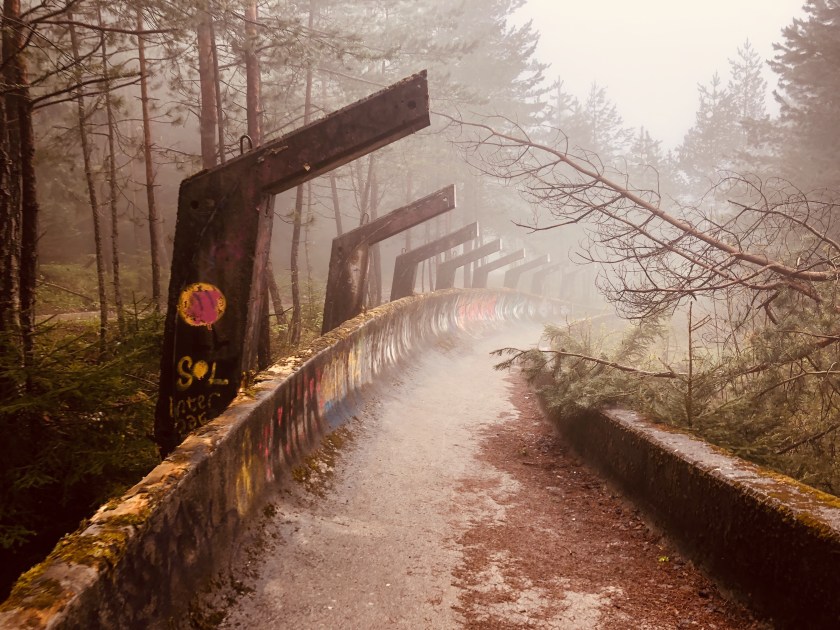
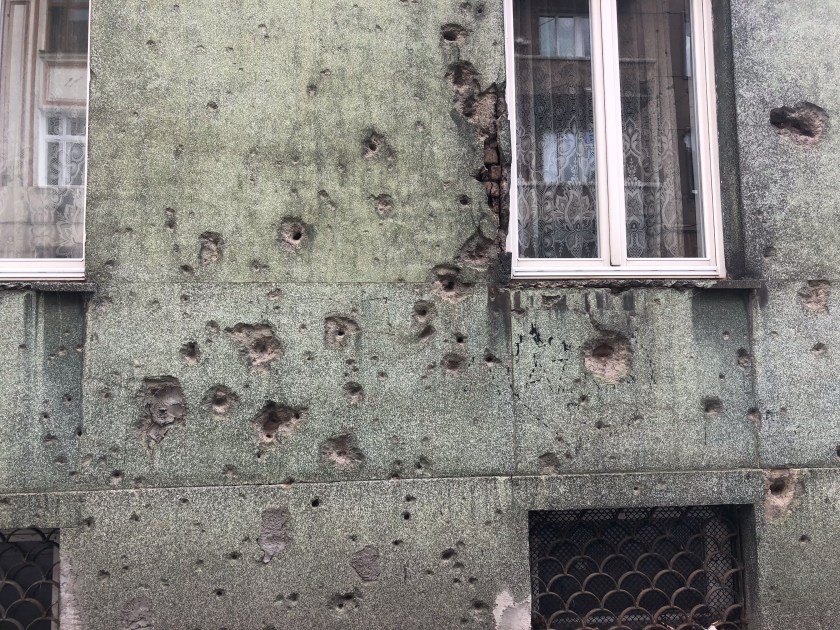
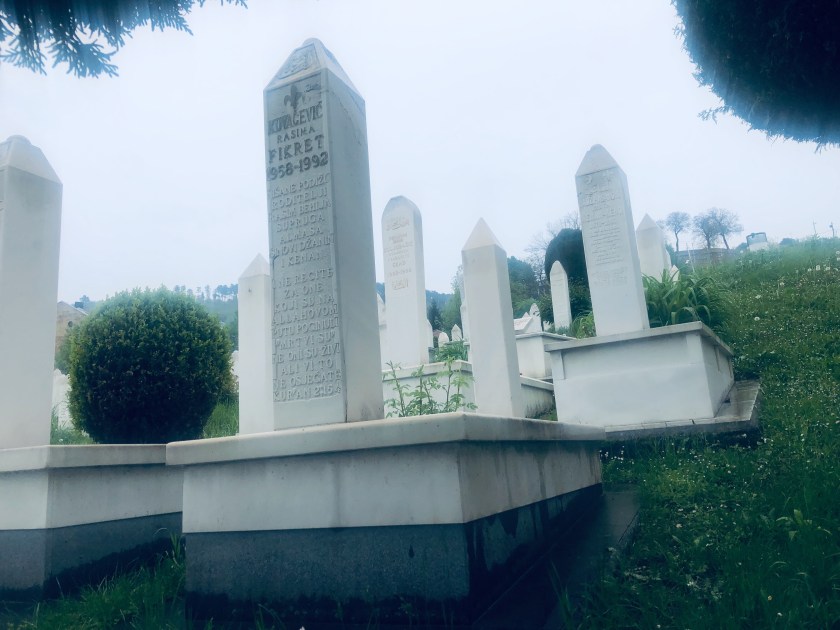
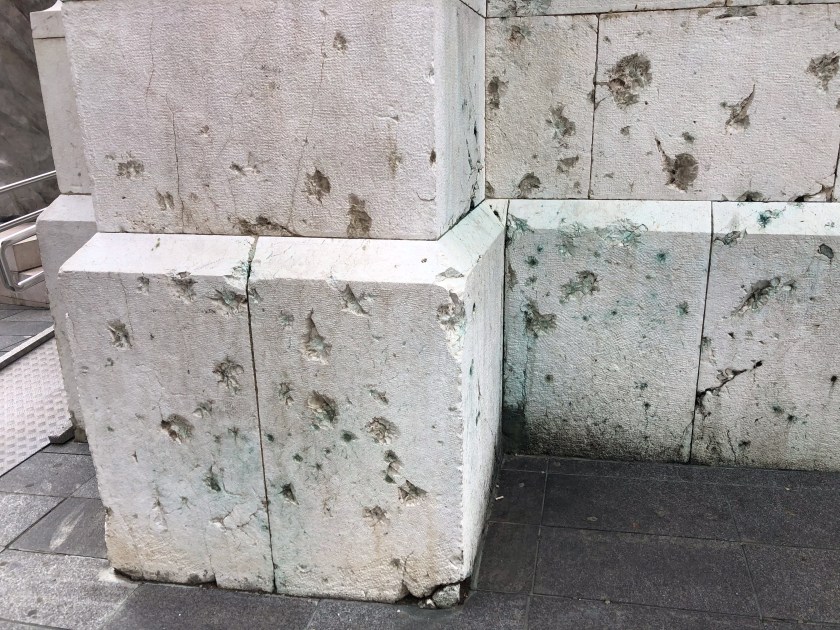

We visited one of the many museums in town that tell the story of the siege. Because this happened in the 90’s the photographs and video clips are clear and colour and very real, unlike exhibits from WWII. You can then walk the same streets and see the evidence of where these events occurred. Bullet holes in buildings, grave markers, damage on the pavements where shells landed. Many of these have been filled with red resin as a permanent reminder of those that were killed when that shell landed. They are known as the Sarajevo Roses. Such a beautiful city with such a sad history.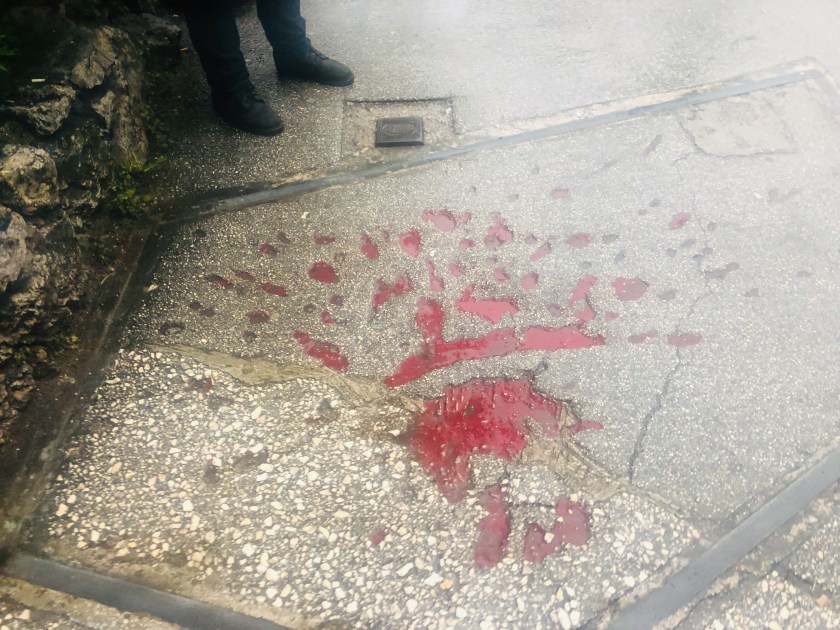
Greece next, there a bit of history there too I think, but perhaps a bit less recent that Sarajevo’s.
 Take The Leap
Another great read Mike!
LikeLike